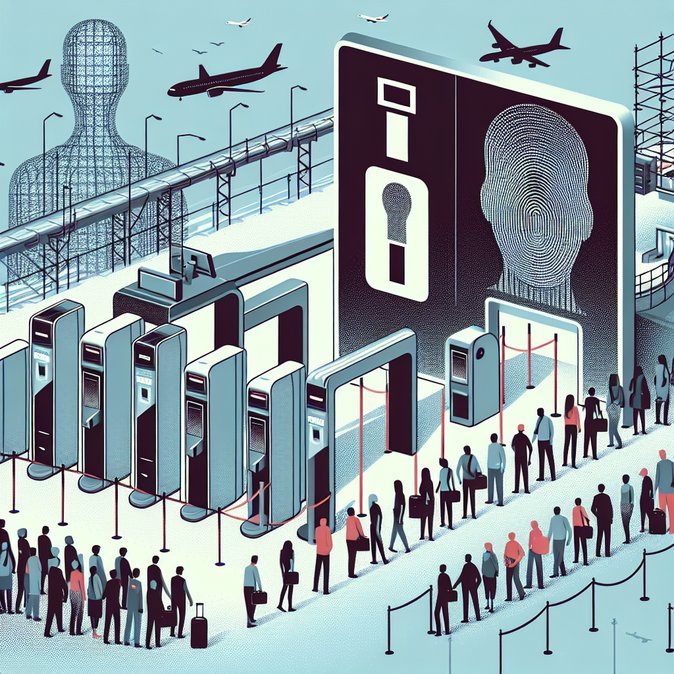
Speaking at the Australian Airports Association conference on 2 December, Sydney Airport CEO Scott Charlton revealed that 32 of the facility’s 40 brand-new biometric kiosks are gathering dust in a storeroom because Australian Border Force (ABF) has yet to approve their activation. Charlton contrasted Australia’s manual arrivals process with walk-through, passport-free systems already operating in Dubai, Singapore and Bali.
Passenger growth has surged past pre-pandemic levels—up 50 percent since 2019 at Melbourne alone—yet the number of e-gates and kiosks has barely moved. Melbourne Airport chief Lorie Argus told delegates her airport still operates just 17 machines, the same as a decade ago. Without automation, Charlton warned, airports will need costly terminal expansions, expenses that could flow on to airlines and, ultimately, travellers.
![Sydney Airport Blasts Border Force Over 32 Idle Smart-Arrival Kiosks]()
ABF Assistant Commissioner James Copeman acknowledged industry frustration and said the agency supports automation that frees officers for higher-value tasks, but cited “integration and security testing” as reasons for the delay. The Australian Airports Association (AAA) released survey data showing 83 percent of travellers favour digital, contactless arrivals.
For global mobility managers the stakes are clear: slow border processing means missed connections, longer duty times and higher accommodation costs for relocating staff. Corporates arranging group moves for January projects are being advised to schedule extra buffer time at east-coast gateways and to monitor ABF technology roll-outs.
The episode adds pressure on the federal government to finalise its ‘Seamless Borders’ roadmap before the 2026 Commonwealth Games influx. Industry lobbyists want a firm timetable for retiring the paper Incoming Passenger Card and for expanding e-gate eligibility to more passport holders.
Passenger growth has surged past pre-pandemic levels—up 50 percent since 2019 at Melbourne alone—yet the number of e-gates and kiosks has barely moved. Melbourne Airport chief Lorie Argus told delegates her airport still operates just 17 machines, the same as a decade ago. Without automation, Charlton warned, airports will need costly terminal expansions, expenses that could flow on to airlines and, ultimately, travellers.

ABF Assistant Commissioner James Copeman acknowledged industry frustration and said the agency supports automation that frees officers for higher-value tasks, but cited “integration and security testing” as reasons for the delay. The Australian Airports Association (AAA) released survey data showing 83 percent of travellers favour digital, contactless arrivals.
For global mobility managers the stakes are clear: slow border processing means missed connections, longer duty times and higher accommodation costs for relocating staff. Corporates arranging group moves for January projects are being advised to schedule extra buffer time at east-coast gateways and to monitor ABF technology roll-outs.
The episode adds pressure on the federal government to finalise its ‘Seamless Borders’ roadmap before the 2026 Commonwealth Games influx. Industry lobbyists want a firm timetable for retiring the paper Incoming Passenger Card and for expanding e-gate eligibility to more passport holders.