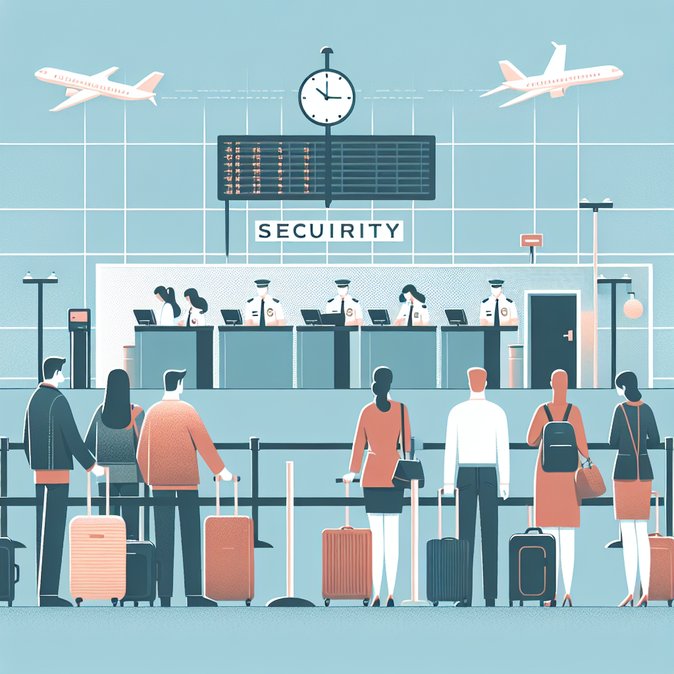
Travellers passing through Terminal 4 of Madrid’s Adolfo Suárez Barajas Airport faced queues of up to 50 minutes on Monday after a “huelga de celo” (work-to-rule) by 21 members of the private security firm Trablisa. Airport operator Aena reported that by midday, wait times had returned to normal but confirmed it will pursue legal action, arguing that the slowdown breached a 100 % minimum-service order imposed by the regional government.
Trablisa accuses the workers of staging an unapproved protest to demand higher overtime rates, parking subsidies and early-retirement benefits akin to Spain’s national police. The company calls the action “illegal, abusive and disproportionate”, noting that the 21 participants represent a fraction of its 850-strong Barajas workforce. Passenger-rights organisation AirHelp reminded flyers that airline compensation rules do not cover security-staff disputes, leaving many travellers to bear the cost of missed connections.
![Early-Morning ‘Work-to-Rule’ Causes Hour-Long Queues at Madrid-Barajas Security Checkpoints]()
For corporate travel managers, the episode underscores the volatility of airport labour relations during the busy Christmas-peak season. Barajas handles more than 140,000 passengers and over 1,000 flight movements on an average Monday; even short-lived disruptions can ripple across networks, especially for hub-and-spoke carriers Iberia and Air Europa.
Aena says it has contingency plans, including redeploying staff and opening additional lanes, but warns that further slowdowns cannot be ruled out if contract negotiations stall. Businesses are advised to alert travellers to arrive at least two hours before European flights and three hours for long-haul departures until the dispute is resolved. Companies with tight connection itineraries may consider booking through Barcelona or regional airports as a hedge.
Spanish unions in the security sector have hinted at broader industrial action in 2026 if wage talks fail nationwide. Mobility professionals should monitor union ballots early next year, as any coordinated strike could impact multiple airports and ferry ports across Spain.
Trablisa accuses the workers of staging an unapproved protest to demand higher overtime rates, parking subsidies and early-retirement benefits akin to Spain’s national police. The company calls the action “illegal, abusive and disproportionate”, noting that the 21 participants represent a fraction of its 850-strong Barajas workforce. Passenger-rights organisation AirHelp reminded flyers that airline compensation rules do not cover security-staff disputes, leaving many travellers to bear the cost of missed connections.
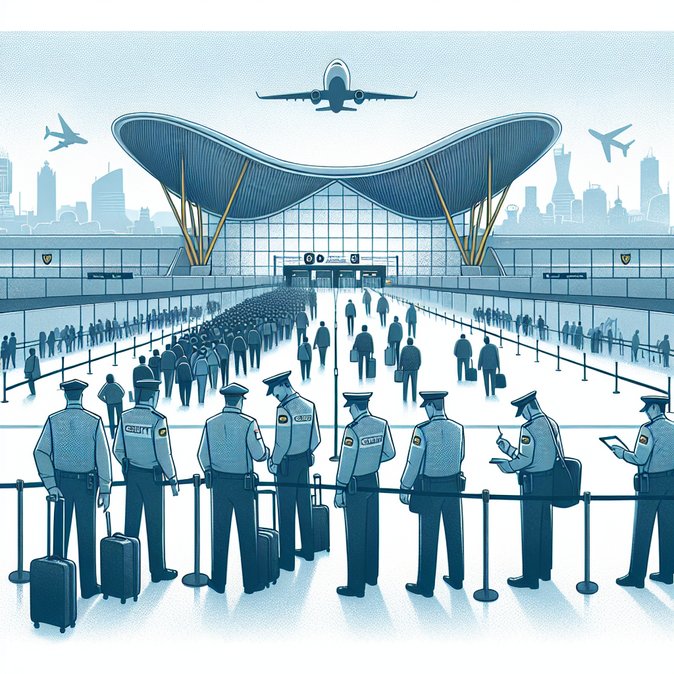
For corporate travel managers, the episode underscores the volatility of airport labour relations during the busy Christmas-peak season. Barajas handles more than 140,000 passengers and over 1,000 flight movements on an average Monday; even short-lived disruptions can ripple across networks, especially for hub-and-spoke carriers Iberia and Air Europa.
Aena says it has contingency plans, including redeploying staff and opening additional lanes, but warns that further slowdowns cannot be ruled out if contract negotiations stall. Businesses are advised to alert travellers to arrive at least two hours before European flights and three hours for long-haul departures until the dispute is resolved. Companies with tight connection itineraries may consider booking through Barcelona or regional airports as a hedge.
Spanish unions in the security sector have hinted at broader industrial action in 2026 if wage talks fail nationwide. Mobility professionals should monitor union ballots early next year, as any coordinated strike could impact multiple airports and ferry ports across Spain.