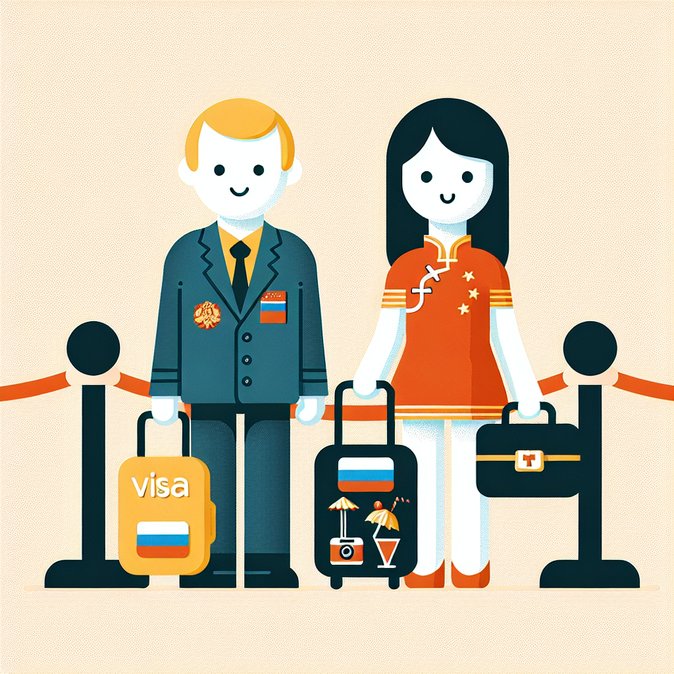
In a watershed moment for Sino-Russian mobility, President Vladimir Putin on 1 December signed a decree allowing most categories of Chinese passport holders to enter Russia without a visa for up to 30 days. The waiver covers tourists, short-term business visitors, academics, artists and athletes, but deliberately excludes migrant laborers, long-term students and logistics workers. Moscow framed the move as strictly reciprocal: Beijing introduced a similar 30-day visa-free scheme for ordinary Russian passport holders in mid-September.
The timing is politically significant. Since Russia’s invasion of Ukraine in 2022, Western sanctions have squeezed the Russian economy and pushed the Kremlin to deepen trade and people-to-people links with China. Easing the entry process is expected to accelerate Chinese leisure and MICE (meetings, incentives, conferences, exhibitions) arrivals to cities such as Vladivostok, Moscow and St Petersburg, where hotel groups and tour operators have been reporting double-digit growth in Chinese bookings even under existing visa-processing queues.
![Russia Grants 30-Day Visa-Free Entry to Most Chinese Travelers]()
Corporate mobility managers should note that the decree runs until 14 September 2026 and does not currently open a path to work authorization. Chinese assignees posted to Russian plants or energy projects will still require standard work permits, and Chinese trucking and shipping companies cannot yet rotate crews visa-free. Nevertheless, simplified access lowers travel-planning friction for due-diligence trips, site inspections and executive visits.
Travel providers are already reacting. Aeroflot announced plans to up-gauge capacity on Shanghai–Moscow flights, while Trip.com said searches for “Russia winter tours” from mainland IP addresses jumped 42 percent within two hours of the decree. Mobility teams should review corporate travel policies to ensure insurance, sanctions compliance and export-control screening keep pace with the expected spike in travel volumes.
For China-based multinationals, the broader message is that geopolitical realignments are reshaping visa regimes at speed. Close monitoring of bilateral waivers—and their carve-outs—will be critical to maintaining seamless employee mobility between the two countries.
The timing is politically significant. Since Russia’s invasion of Ukraine in 2022, Western sanctions have squeezed the Russian economy and pushed the Kremlin to deepen trade and people-to-people links with China. Easing the entry process is expected to accelerate Chinese leisure and MICE (meetings, incentives, conferences, exhibitions) arrivals to cities such as Vladivostok, Moscow and St Petersburg, where hotel groups and tour operators have been reporting double-digit growth in Chinese bookings even under existing visa-processing queues.
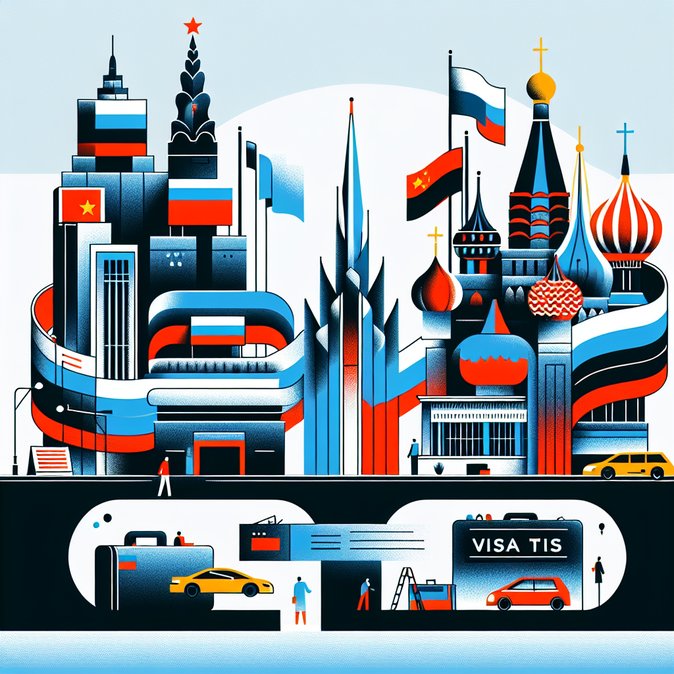
Corporate mobility managers should note that the decree runs until 14 September 2026 and does not currently open a path to work authorization. Chinese assignees posted to Russian plants or energy projects will still require standard work permits, and Chinese trucking and shipping companies cannot yet rotate crews visa-free. Nevertheless, simplified access lowers travel-planning friction for due-diligence trips, site inspections and executive visits.
Travel providers are already reacting. Aeroflot announced plans to up-gauge capacity on Shanghai–Moscow flights, while Trip.com said searches for “Russia winter tours” from mainland IP addresses jumped 42 percent within two hours of the decree. Mobility teams should review corporate travel policies to ensure insurance, sanctions compliance and export-control screening keep pace with the expected spike in travel volumes.
For China-based multinationals, the broader message is that geopolitical realignments are reshaping visa regimes at speed. Close monitoring of bilateral waivers—and their carve-outs—will be critical to maintaining seamless employee mobility between the two countries.