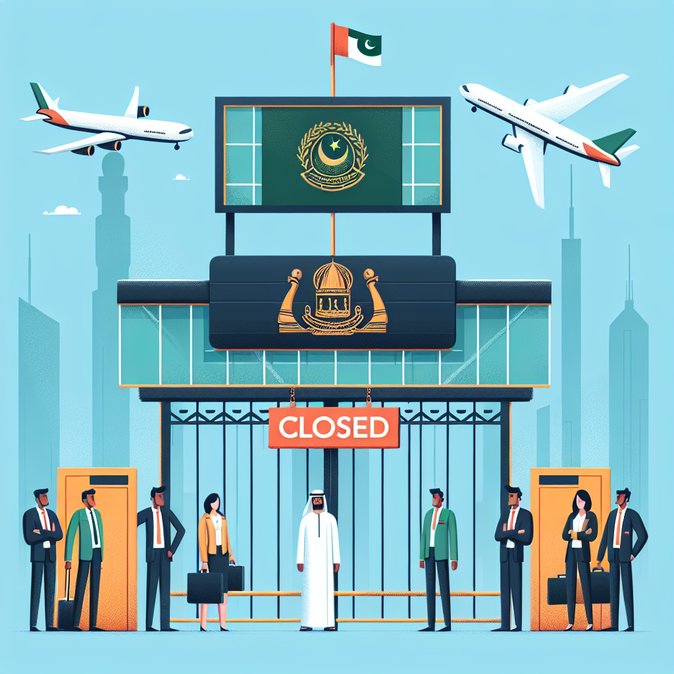
Pakistani nationals hoping to visit the UAE are caught in a web of conflicting messages, with Islamabad officials claiming an effective visa freeze while Emirati diplomats deny an official ban. In Senate testimony on 27 November, Additional Interior Secretary Salman Chaudhry told lawmakers that the UAE “is not issuing visas” except to blue (service) and diplomatic-passport holders – remarks that have since ricocheted across Pakistani media. Travel agents interviewed by Dawn on 29 November report rejection rates of 70–80 per cent for single applicants and first-time visitors.
Applicants under 40 appear to face the toughest scrutiny, with agencies advising heavier bank statements or family ties to improve odds. Some travellers say applications labelled “rejected – nationality criteria” are returned within 24 hours, while others pay inflated service fees for so-called ‘guaranteed’ approvals that never materialise. The inconsistent outcomes have upended corporate plans: a US tech firm cancelled a Dubai conference after multiple Pakistani speakers failed to secure entry, and construction companies in Abu Dhabi warn of labour-shortage ripple effects.
![Pakistani travellers face 80 % rejection rate as UAE visa freeze sows confusion]()
UAE officials maintain that no blanket ban exists and that each file is assessed on merit, citing concerns about overstaying and recent allegations of organised begging rings. Nevertheless, mobility teams should expect lengthy lead times for Pakistani personnel, consider routing meetings through Qatar or Bahrain, and budget for multiple application attempts.
Key takeaways for employers: • Where possible, switch to company-sponsored work visas rather than tourist entries. • Compile six-month bank statements and evidence of return ties to counter perceived overstay risk. • Alert project stakeholders to potential staffing gaps and explore remote-work contingencies.
Applicants under 40 appear to face the toughest scrutiny, with agencies advising heavier bank statements or family ties to improve odds. Some travellers say applications labelled “rejected – nationality criteria” are returned within 24 hours, while others pay inflated service fees for so-called ‘guaranteed’ approvals that never materialise. The inconsistent outcomes have upended corporate plans: a US tech firm cancelled a Dubai conference after multiple Pakistani speakers failed to secure entry, and construction companies in Abu Dhabi warn of labour-shortage ripple effects.

UAE officials maintain that no blanket ban exists and that each file is assessed on merit, citing concerns about overstaying and recent allegations of organised begging rings. Nevertheless, mobility teams should expect lengthy lead times for Pakistani personnel, consider routing meetings through Qatar or Bahrain, and budget for multiple application attempts.
Key takeaways for employers: • Where possible, switch to company-sponsored work visas rather than tourist entries. • Compile six-month bank statements and evidence of return ties to counter perceived overstay risk. • Alert project stakeholders to potential staffing gaps and explore remote-work contingencies.