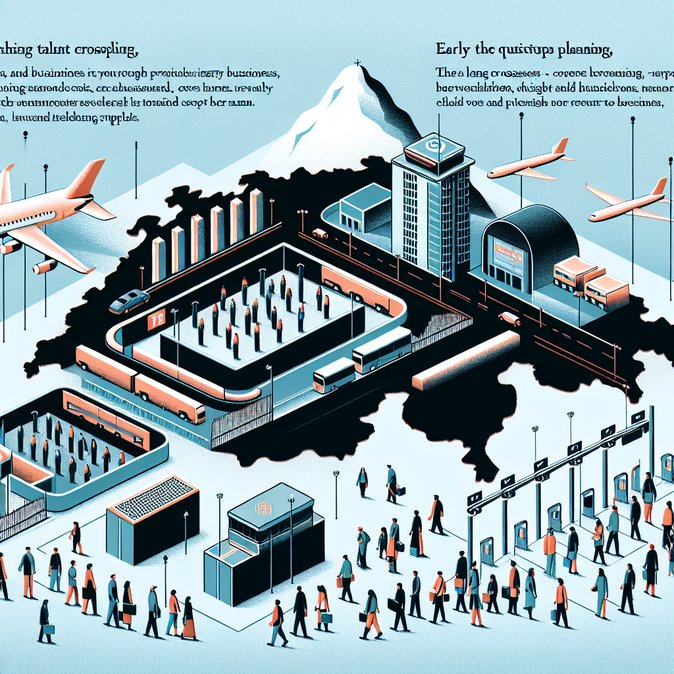
In a rare weekend sitting that ran into the early hours of 23 November, Switzerland’s National Council and Council of States approved the most sweeping rewrite of the Federal Act on Foreign Nationals and Integration (FNIA) in more than a decade. The reform is a response to record net migration figures in 2025 and growing political pressure—especially from cantons bordering Germany and Italy—to make inflows more predictable for schools, housing and public transport.
The centrepiece of the bill is a move from open-ended labour demand-driven quotas to fixed, Parliament-set ceilings. Each autumn, legislators will now vote on a single, global envelope that covers B-permits (residence), L-permits (short-term assignments), intra-company transfers, trainees and certain family members of third-country nationals. Cantons will continue to allocate permits locally but may not exceed their share of the federal total. A contingency reserve of 10 % can be released by the Federal Council for critical-infrastructure employers such as hospitals and railways.
![Swiss Parliament Passes Landmark Immigration Overhaul Introducing Annual Work-Permit Ceilings]()
For corporate mobility and HR teams, the change offers earlier visibility on permit availability—allowing workforce planners to decide months in advance whether to recruit locally, relocate existing staff or outsource projects. However, the system also raises the stakes for strategic permit forecasting: companies that underestimate needs could find themselves shut out until the following year. Immigration advisers are urging firms to map upcoming projects and budget for “quota hedging” strategies such as staggered start dates.
Beyond quotas, the law mandates full biometric capture—four fingerprints and a live facial image—at every Swiss land crossing by 2027, extending technology already deployed at airports under the EU Entry/Exit System (EES). Border commute times for the 350 000 Italian and French cross-border workers could initially lengthen, although the Federal Customs and Border Security Office plans dedicated “Ticino express lanes” at the busiest checkpoints.
The overhaul also accelerates asylum processing deadlines from 140 to 90 days, a move the Justice Ministry says will cut accommodation costs but that NGOs fear could compromise due-process rights. Most provisions enter into force on 1 July 2026, giving employers roughly seven months to adapt their mobility policies and applicant-tracking systems.
The centrepiece of the bill is a move from open-ended labour demand-driven quotas to fixed, Parliament-set ceilings. Each autumn, legislators will now vote on a single, global envelope that covers B-permits (residence), L-permits (short-term assignments), intra-company transfers, trainees and certain family members of third-country nationals. Cantons will continue to allocate permits locally but may not exceed their share of the federal total. A contingency reserve of 10 % can be released by the Federal Council for critical-infrastructure employers such as hospitals and railways.

For corporate mobility and HR teams, the change offers earlier visibility on permit availability—allowing workforce planners to decide months in advance whether to recruit locally, relocate existing staff or outsource projects. However, the system also raises the stakes for strategic permit forecasting: companies that underestimate needs could find themselves shut out until the following year. Immigration advisers are urging firms to map upcoming projects and budget for “quota hedging” strategies such as staggered start dates.
Beyond quotas, the law mandates full biometric capture—four fingerprints and a live facial image—at every Swiss land crossing by 2027, extending technology already deployed at airports under the EU Entry/Exit System (EES). Border commute times for the 350 000 Italian and French cross-border workers could initially lengthen, although the Federal Customs and Border Security Office plans dedicated “Ticino express lanes” at the busiest checkpoints.
The overhaul also accelerates asylum processing deadlines from 140 to 90 days, a move the Justice Ministry says will cut accommodation costs but that NGOs fear could compromise due-process rights. Most provisions enter into force on 1 July 2026, giving employers roughly seven months to adapt their mobility policies and applicant-tracking systems.
More From Switzerland
View all
ETIAS Fee for Switzerland and Schengen Partners Set to Triple to €20 from January 2026
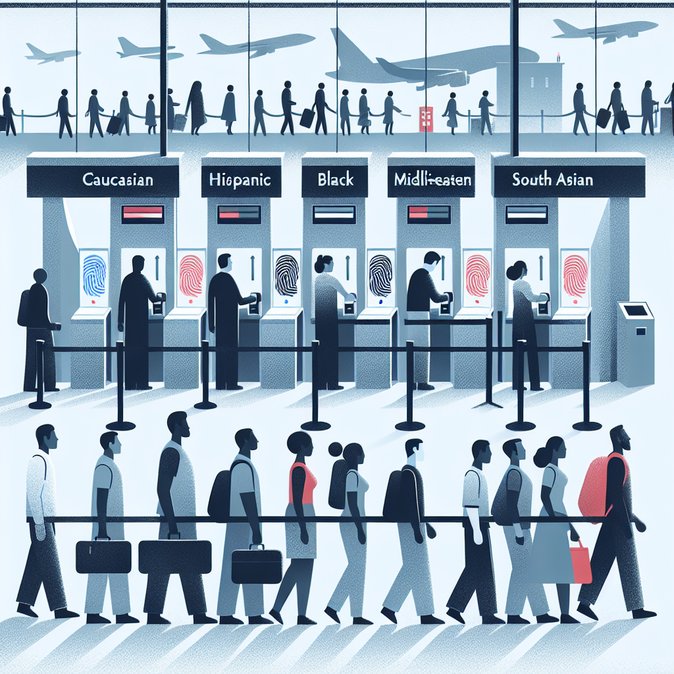
Zurich Airport Completes Roll-Out of EU Entry/Exit System—Biometrics Now Mandatory for All Non-EU Arrivals