Indonesia Embassy list in Anguilla
Need help?Chat with us
Why Trip Registration at the Indonesia Embassy is Important
Registering your trip with the Indonesia embassy is essential for ensuring safety and effective communication during your travels. In emergencies such as natural disasters like earthquakes or tsunamis, the embassy can provide timely updates and support. For instance, if a volcanic eruption disrupts travel or safety, registered travelers can receive immediate alerts.
In situations of political unrest or civil disturbances, embassy registration allows officials to quickly account for Indonesian nationals in the affected area and coordinate evacuations if necessary. Additionally, in medical emergencies, registered travelers can be contacted to offer assistance and ensure they receive the care they need. By registering, you also facilitate easy communication with your loved ones in Indonesia, reinforcing a safety net during unpredictable events.
Indonesia Embassy FAQs
Can the Indonesia embassy assist in legal issues abroad? Yes, the Indonesia embassy can provide guidance and support regarding legal issues, including connecting you with local legal representation.
What should I do if I lose my Indonesia passport in Anguilla? If you lose your passport, report the loss to local authorities and visit the Indonesia embassy as soon as possible to apply for a replacement passport.
How can the embassy help me if I am detained abroad? The embassy can assist by providing information on local legal rights, connecting you with local legal counsel, and facilitating communication with your family.
What services are available for students studying abroad? The embassy can provide resources for students, including information on education regulations, legal advice, and assistance in emergencies.
Can the embassy help me with translation services? While the embassy does not provide direct translation services, they can offer resources or recommend local services for document translation.
Services Provided by Indonesia Embassies in Anguilla
Passport Services
- Issuance of new passports
- Renewal of existing passports
- Lost passport replacement
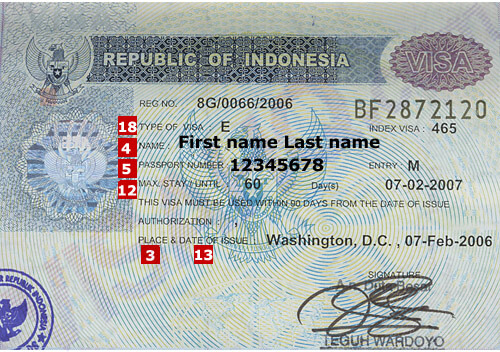
Visa Issuance for Foreign Nationals
- Processing visa applications for those visiting Indonesia
- Providing information on visa requirements and regulations
Assistance in Legal or Medical Emergencies
- Guidance for legal issues abroad
- Support in locating medical facilities or obtaining medical care
Travel Alerts and Safety Updates
- Issuing travel alerts for specific regions
- Providing updates on safety and security situations
Support for Nationals Detained Abroad
- Legal assistance and advice for detained individuals
- Communication support with family members
Summarized Diplomatic Presence
The Indonesian diplomatic presence in Anguilla is represented primarily through its embassy, which serves to foster and maintain bilateral relations between Indonesia and the region. The embassy’s key functions include providing consular services, promoting trade, and encouraging cultural exchange. Through its engagement, the embassy enhances cooperation on various international matters, reinforcing Indonesia’s commitment to maintaining strong diplomatic ties. Major cities where Indonesian embassies are often located include [specific cities]. These missions play a critical role in representing Indonesia’s interests and ensuring the welfare of its citizens abroad.