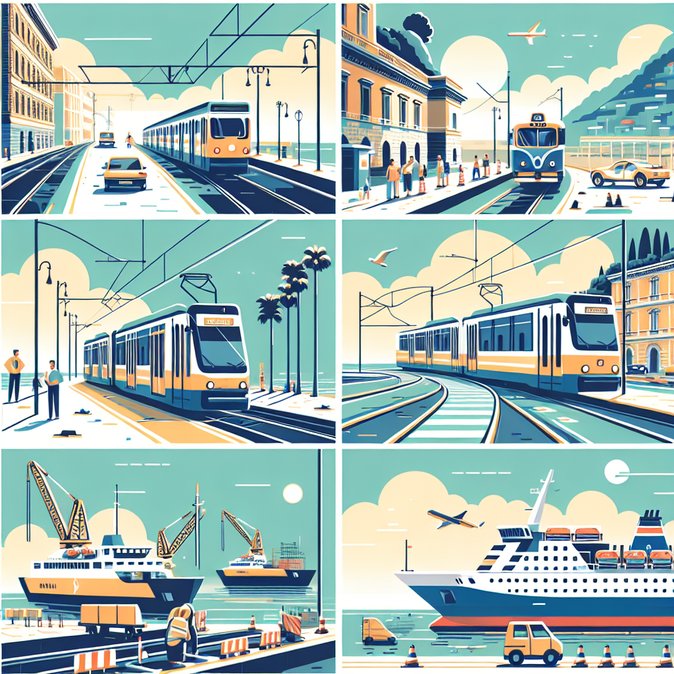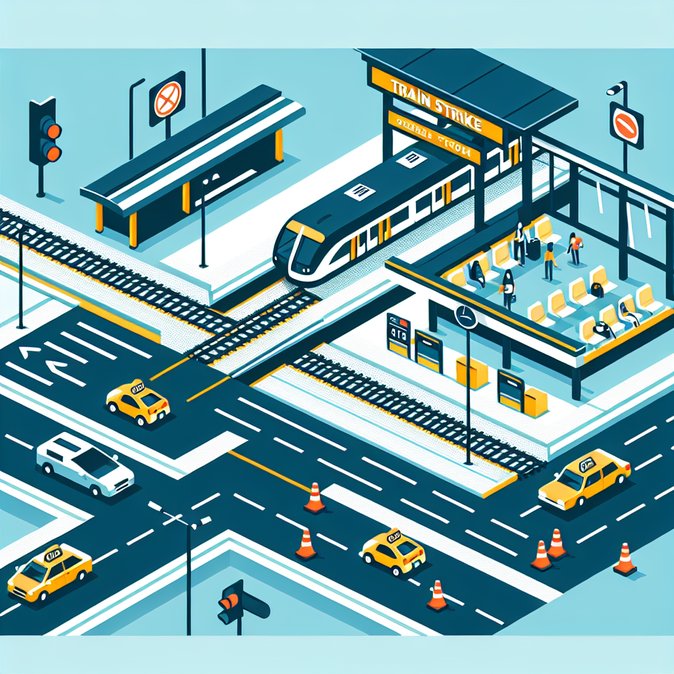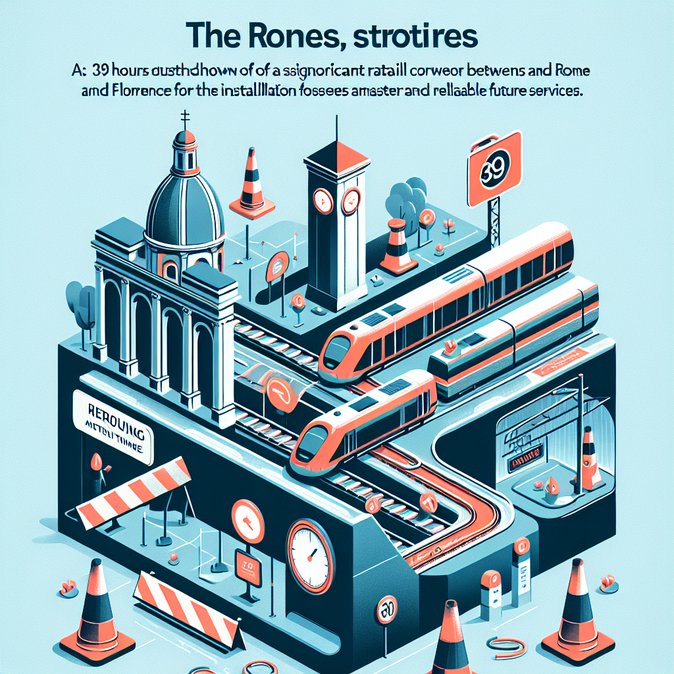
Rete Ferroviaria Italiana (RFI) suspended all traffic on the Rome–Florence axis from midnight on 11 April until 15:00 on 12 April to finalise installation of the European Rail Traffic Management System (ERTMS). The works covered both the high-speed (AV) stretch between Rovezzano and Settebagni and the parallel conventional line via Orte, forcing Trenitalia and Italo to reroute long-distance trains along the coastal Tirrenica route and cancel several InterCity services. ERTMS will allow trains to run at shorter headways and lays the groundwork for future driverless operation on Italy’s busiest north-south spine. RFI invested €147 million, partially financed through EU recovery funds, to complete the upgrade.
![Rome–Florence high-speed corridor closed for ERTMS upgrade, service resumes Sunday afternoon]()
Business travellers suddenly reshuffling itineraries because of such engineering blocks can lean on VisaHQ for fast, reliable visa and passport assistance. The service’s dedicated Italy portal (https://www.visahq.com/italy/) consolidates the latest consular requirements, offers online applications, and provides live status tracking—helpful when rail disruptions force last-minute changes to international meetings.
From Monday, passengers should see more punctual services and incremental speed increases once testing is complete. During the closure, travel times between Milan and Rome stretched to almost five hours and the Verona wine fair Vinitaly reported late arrivals of exhibitors reliant on the route. Freight operators had to reschedule overnight cargo trains, highlighting the network’s limited redundancy when key nodes are offline. RFI recommends that corporate travel planners re-check timetables for 13 April, when residual delays are still possible. Companies that regularly shuttle staff between Rome’s ministries and Florence’s fashion district may consider flexible work-from-home policies during major engineering blocks scheduled later this year on the Bologna-Padua and Milan-Turin corridors.
Business travellers suddenly reshuffling itineraries because of such engineering blocks can lean on VisaHQ for fast, reliable visa and passport assistance. The service’s dedicated Italy portal (https://www.visahq.com/italy/) consolidates the latest consular requirements, offers online applications, and provides live status tracking—helpful when rail disruptions force last-minute changes to international meetings.
From Monday, passengers should see more punctual services and incremental speed increases once testing is complete. During the closure, travel times between Milan and Rome stretched to almost five hours and the Verona wine fair Vinitaly reported late arrivals of exhibitors reliant on the route. Freight operators had to reschedule overnight cargo trains, highlighting the network’s limited redundancy when key nodes are offline. RFI recommends that corporate travel planners re-check timetables for 13 April, when residual delays are still possible. Companies that regularly shuttle staff between Rome’s ministries and Florence’s fashion district may consider flexible work-from-home policies during major engineering blocks scheduled later this year on the Bologna-Padua and Milan-Turin corridors.