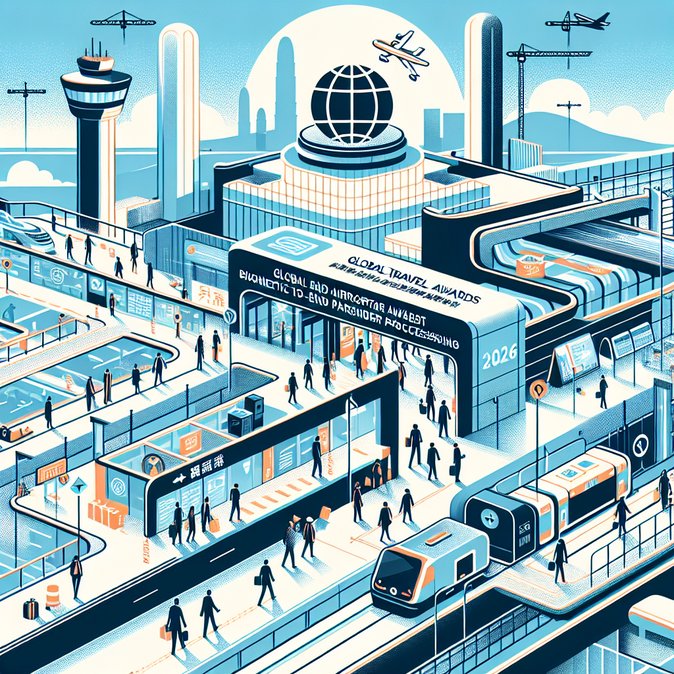
Hong Kong International Airport (HKIA) has reclaimed its status as a traveller favourite, beating perennial rivals Singapore Changi and Doha Hamad to top spot at this year’s Global Travel Awards announced on 10 April 2026. More than 2.5 million passengers from 150 countries voted in the poll, praising HKIA’s security efficiency, biometric e-channels and revamped passenger amenities.
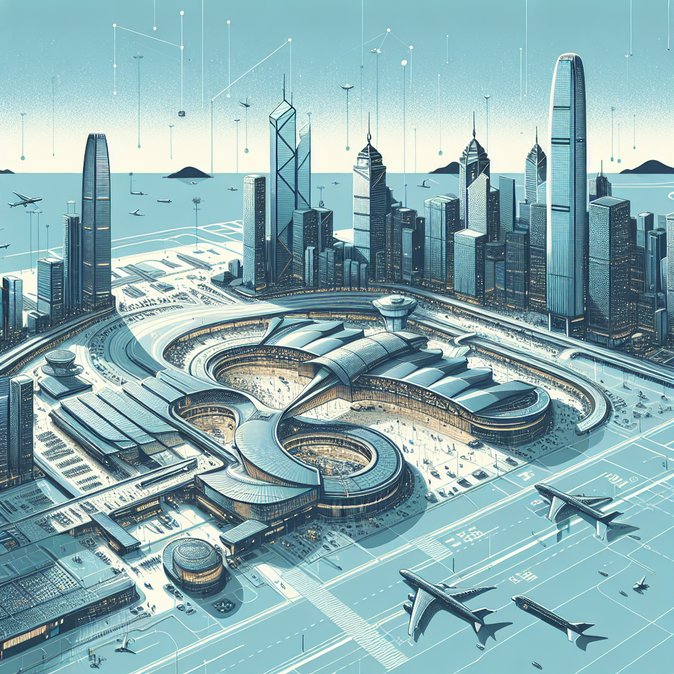
![Hong Kong International Airport crowned world’s best at Global Travel Awards 2026]()
For travellers eager to experience HKIA’s newly crowned efficiency, VisaHQ can simplify the entry process before you ever reach the terminal. Its Hong Kong portal (https://www.visahq.com/hong-kong/) offers quick, step-by-step guidance on visa requirements, health declarations and transit permits, allowing both business and leisure passengers to file applications online and receive real-time status updates—perfectly matching the airport’s promise of a seamless journey.
Key to the win was a multi-billion-dollar digital-transformation programme that introduced end-to-end facial-recognition for check-in, immigration and boarding. The system has cut average queuing times at security by 40 per cent and allows business-class and frequent-flyer passengers to transit the airport with only two identity checks. HKIA also debuted CT-based cabin-baggage scanners that remove the need to take laptops and liquids out of bags – technology slated to roll out in the soon-to-open Terminal 2 extension next month. The airport simultaneously picked up Skytrax prizes for “World’s Best Airport Security Processing” and “World’s Best Airport Washrooms”, the latter reflecting a complete redesign guided by ethnographic studies of passenger behaviour. The accolades arrive at a critical moment: traffic has rebounded to 85 per cent of pre-pandemic levels, and Hong Kong is pitching itself as a premium MICE and transit hub linking the Greater Bay Area to the rest of the world. For corporate-mobility managers, HKIA’s recognition signals a smoother experience for relocating staff and short-haul business travellers who rely on tight connections. Airlines are already leveraging the publicity; Cathay Pacific announced it will add two additional daily frequencies to San Francisco and Sydney from June, citing “renewed confidence in the hub advantage.” Logistics operators say faster throughput at the airport’s integrated sea-air cargo terminal will further reinforce Hong Kong’s appeal for high-value, time-sensitive shipments. The Airport Authority plans to invest a further HK$7 billion over the next three years in smart-mobility projects, including autonomous airside buses and a digital health-declaration pass aimed at accelerating post-pandemic recovery.
For travellers eager to experience HKIA’s newly crowned efficiency, VisaHQ can simplify the entry process before you ever reach the terminal. Its Hong Kong portal (https://www.visahq.com/hong-kong/) offers quick, step-by-step guidance on visa requirements, health declarations and transit permits, allowing both business and leisure passengers to file applications online and receive real-time status updates—perfectly matching the airport’s promise of a seamless journey.
Key to the win was a multi-billion-dollar digital-transformation programme that introduced end-to-end facial-recognition for check-in, immigration and boarding. The system has cut average queuing times at security by 40 per cent and allows business-class and frequent-flyer passengers to transit the airport with only two identity checks. HKIA also debuted CT-based cabin-baggage scanners that remove the need to take laptops and liquids out of bags – technology slated to roll out in the soon-to-open Terminal 2 extension next month. The airport simultaneously picked up Skytrax prizes for “World’s Best Airport Security Processing” and “World’s Best Airport Washrooms”, the latter reflecting a complete redesign guided by ethnographic studies of passenger behaviour. The accolades arrive at a critical moment: traffic has rebounded to 85 per cent of pre-pandemic levels, and Hong Kong is pitching itself as a premium MICE and transit hub linking the Greater Bay Area to the rest of the world. For corporate-mobility managers, HKIA’s recognition signals a smoother experience for relocating staff and short-haul business travellers who rely on tight connections. Airlines are already leveraging the publicity; Cathay Pacific announced it will add two additional daily frequencies to San Francisco and Sydney from June, citing “renewed confidence in the hub advantage.” Logistics operators say faster throughput at the airport’s integrated sea-air cargo terminal will further reinforce Hong Kong’s appeal for high-value, time-sensitive shipments. The Airport Authority plans to invest a further HK$7 billion over the next three years in smart-mobility projects, including autonomous airside buses and a digital health-declaration pass aimed at accelerating post-pandemic recovery.