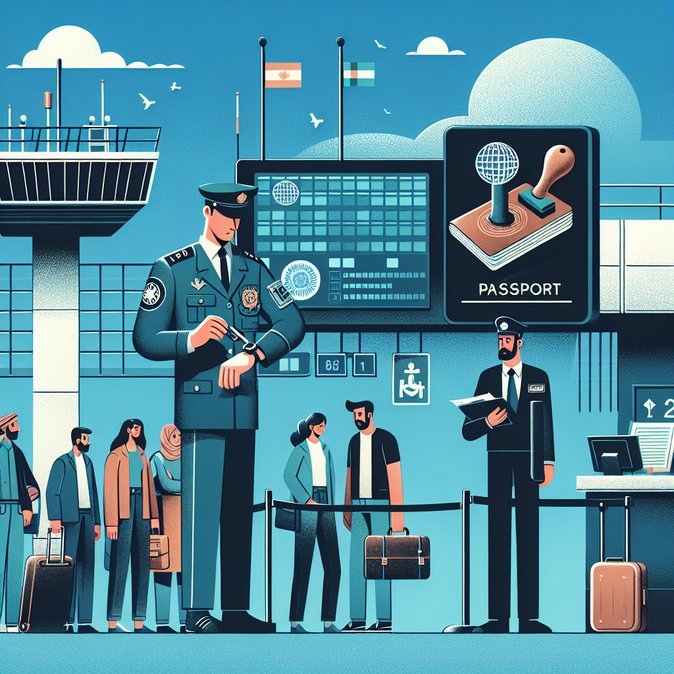
From midday on 10 April, every British passport holder entering the Schengen Area is subject to the EU’s new Entry/Exit System (EES). ITV News reports that airport stamps are being phased out in favour of fingerprint and facial recognition, creating the first fully digital record of each arrival and departure. The system’s aim is two-fold: strengthen security by spotting overstays automatically, and eventually enable more e-gates for ‘repeat visitors’ whose biometrics are already on file. Children under 12 are exempt from fingerprinting, but everyone else—including frequent corporate travellers—must enrol the first time they cross an external EU frontier after the start date. Implementation is uneven.
![What Britain’s Travellers Must Know as EU Biometric Border Goes Live]()
If you want extra reassurance that your future trips will remain compliant, VisaHQ’s UK portal (https://www.visahq.com/united-kingdom/) can calculate your remaining Schengen allowance, flag potential overstay risks and, where necessary, arrange the right visas or travel documents at speed—ideal for businesses juggling multiple travellers and tight itineraries.
While many airports are scanning passengers smoothly, others are running dual processes or invoking an EU-permitted “pause” to avoid holiday-weekend chaos. Eurostar, Eurotunnel and the Port of Dover continue to pre-register passengers on the UK side, and some land and sea ports have permission to upload data retrospectively for 90 days. The UK travel trade fears confusion during the ramp-up. ABTA urges companies to brief staff to expect longer queues, to pre-book later onward connections and to keep proof of time stamps until the system stabilises. Employers with rotation patterns close to the 90-in-180-day Schengen rule should audit travel histories carefully; digital records will make inadvertent overstays far more visible to border officers and could jeopardise future business-visa applications. For now, the best advice is buffer time and patience. Once enrolled, future crossings should be quicker—but the teething period could last through the summer peak.

If you want extra reassurance that your future trips will remain compliant, VisaHQ’s UK portal (https://www.visahq.com/united-kingdom/) can calculate your remaining Schengen allowance, flag potential overstay risks and, where necessary, arrange the right visas or travel documents at speed—ideal for businesses juggling multiple travellers and tight itineraries.
While many airports are scanning passengers smoothly, others are running dual processes or invoking an EU-permitted “pause” to avoid holiday-weekend chaos. Eurostar, Eurotunnel and the Port of Dover continue to pre-register passengers on the UK side, and some land and sea ports have permission to upload data retrospectively for 90 days. The UK travel trade fears confusion during the ramp-up. ABTA urges companies to brief staff to expect longer queues, to pre-book later onward connections and to keep proof of time stamps until the system stabilises. Employers with rotation patterns close to the 90-in-180-day Schengen rule should audit travel histories carefully; digital records will make inadvertent overstays far more visible to border officers and could jeopardise future business-visa applications. For now, the best advice is buffer time and patience. Once enrolled, future crossings should be quicker—but the teething period could last through the summer peak.