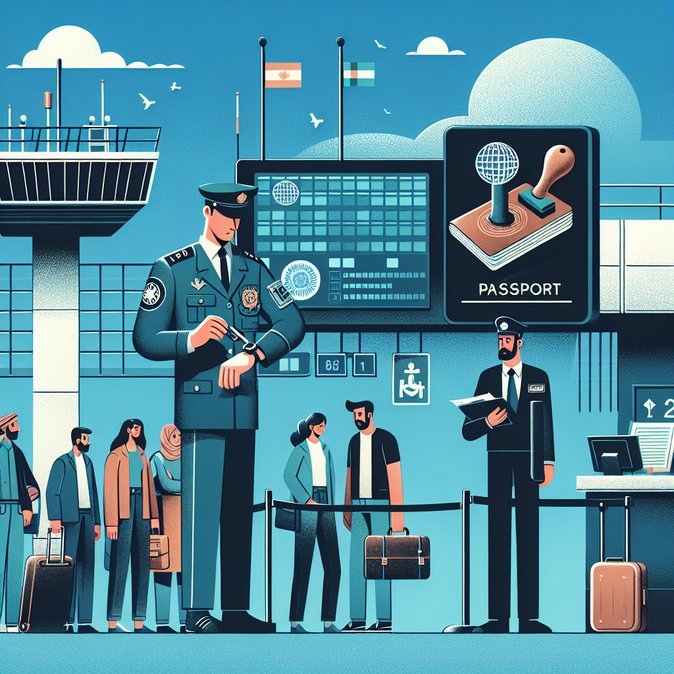
The European Union’s long-awaited Entry/Exit System (EES) was switched on across the Schengen Area on 10 April, but British travellers using the Channel Tunnel, Dover ferries and Eurostar soon discovered that the promised ‘frictionless’ border was anything but. French Police aux Frontières technicians failed a final software test at the juxtaposed controls on British soil, forcing officers to abandon the new kiosks minutes before the deadline and revert to old-fashioned passport stamps. For the next several weeks the ports of Dover and Folkestone, together with London St Pancras, will run a “light phase”. Passengers still present their documents to French officers, but fingerprints and face scans are suspended. Operators warn of 60- to 90-minute peaks even under the manual process, because staff must toggle between ITV checks and the partially-live EES database.
![Biometric Glitches Stall EU’s New Entry/Exit System at UK–France Border]()
To navigate the shifting border requirements, many travellers and corporate mobility teams are turning to VisaHQ for real-time guidance. Through its dedicated UK platform (https://www.visahq.com/united-kingdom/), VisaHQ offers live updates on Schengen entry rules, tailored alerts and end-to-end visa processing support, helping clients stay compliant and avoid costly delays while the new system beds in.
By contrast, continental airports such as Madrid-Barajas and Frankfurt have begun full biometric capture with only modest queues so far. The hiccup has commercial implications for UK-based corporates shuttling staff to mainland Europe. Employers that use short-stay postings to service clients must build in longer buffers, while logistics firms are re-routing some high-value loads away from Dover to avoid missed delivery windows. Eurotunnel estimates that each additional 30 minutes of dwell time at Folkestone costs hauliers up to £120 in labour and refrigeration fuel. French and EU officials insist the outage is temporary. Engineers from Atos and Thales are patching the kiosk software and hope to resume phased biometric enrolment before the late-April bank-holiday rush. Once operational, an EES registration will remain valid for three years and should speed future crossings—but UK travellers face a hybrid world of stamps and scanners for at least another month. In the meantime, travel managers are advising employees to keep passports handy, allow extra time and retain all entry stamps until their first successful EES enrolment is confirmed.

To navigate the shifting border requirements, many travellers and corporate mobility teams are turning to VisaHQ for real-time guidance. Through its dedicated UK platform (https://www.visahq.com/united-kingdom/), VisaHQ offers live updates on Schengen entry rules, tailored alerts and end-to-end visa processing support, helping clients stay compliant and avoid costly delays while the new system beds in.
By contrast, continental airports such as Madrid-Barajas and Frankfurt have begun full biometric capture with only modest queues so far. The hiccup has commercial implications for UK-based corporates shuttling staff to mainland Europe. Employers that use short-stay postings to service clients must build in longer buffers, while logistics firms are re-routing some high-value loads away from Dover to avoid missed delivery windows. Eurotunnel estimates that each additional 30 minutes of dwell time at Folkestone costs hauliers up to £120 in labour and refrigeration fuel. French and EU officials insist the outage is temporary. Engineers from Atos and Thales are patching the kiosk software and hope to resume phased biometric enrolment before the late-April bank-holiday rush. Once operational, an EES registration will remain valid for three years and should speed future crossings—but UK travellers face a hybrid world of stamps and scanners for at least another month. In the meantime, travel managers are advising employees to keep passports handy, allow extra time and retain all entry stamps until their first successful EES enrolment is confirmed.