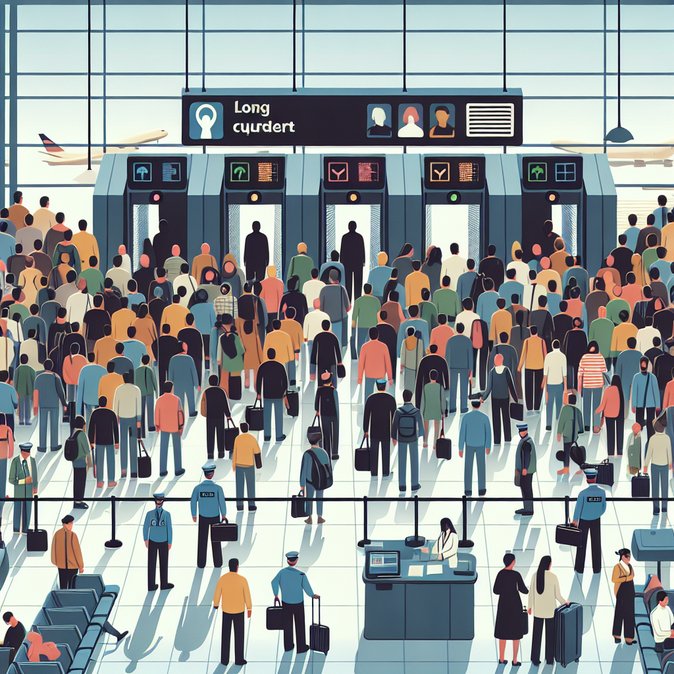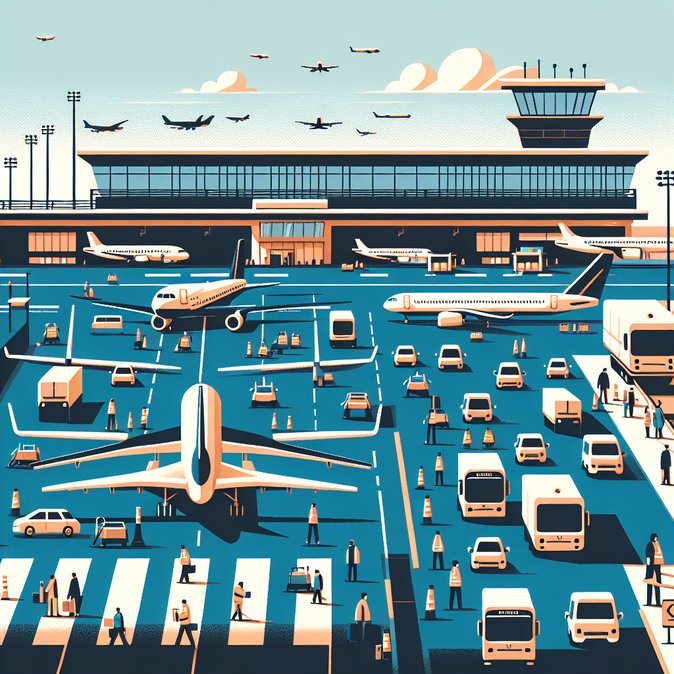
Separate from the EES upheaval, French skies faced fresh disruption on 11 April as air-traffic-controller (ATC) unions launched a 24-hour strike over staffing levels and rostering reform. Travel and Tour World’s live operations tracker recorded at least 75 outright cancellations and 186 significant delays by midday, hitting hubs such as Paris-Charles-de-Gaulle, Nice, Lyon, Marseille and Bordeaux.
![Air-Traffic-Controller Walkout Grounds Dozens of Flights Across France]()
Should rerouting force passengers into unexpected layovers or extended stays, VisaHQ can streamline the process of securing any necessary transit or short-stay visas. Its dedicated France page (https://www.visahq.com/france/) lets travellers and corporate mobility teams file online applications, track approvals in real time and chat with experts—reducing administrative stress while airlines and airports sort out the operational turmoil.
Lufthansa was forced to cancel 11 of its 18 scheduled departures from Paris, while easyJet, Vueling and Ryanair trimmed short-haul rotations to maintain on-time performance for remaining services. Air France pre-emptively consolidated domestic flights, rebooking passengers on high-speed rail or later departures. The Directorate-General for Civil Aviation (DGAC) invoked minimum-service rules, limiting the strike’s impact compared with past walkouts, yet the overlap with the EES bedding-in period amplified passenger frustration. Travellers faced the double hurdle of biometric queues and last-minute flight changes. Under EU Regulation 261/2004, ATC strikes qualify as extraordinary circumstances, so airlines owe re-routing and care but not cash compensation. Mobility managers with time-sensitive assignee moves should examine alternatives—rail links from Paris to Brussels, Amsterdam and Frankfurt are running normally—and remind employees to keep boarding passes and receipts for duty-of-care tracking.

Should rerouting force passengers into unexpected layovers or extended stays, VisaHQ can streamline the process of securing any necessary transit or short-stay visas. Its dedicated France page (https://www.visahq.com/france/) lets travellers and corporate mobility teams file online applications, track approvals in real time and chat with experts—reducing administrative stress while airlines and airports sort out the operational turmoil.
Lufthansa was forced to cancel 11 of its 18 scheduled departures from Paris, while easyJet, Vueling and Ryanair trimmed short-haul rotations to maintain on-time performance for remaining services. Air France pre-emptively consolidated domestic flights, rebooking passengers on high-speed rail or later departures. The Directorate-General for Civil Aviation (DGAC) invoked minimum-service rules, limiting the strike’s impact compared with past walkouts, yet the overlap with the EES bedding-in period amplified passenger frustration. Travellers faced the double hurdle of biometric queues and last-minute flight changes. Under EU Regulation 261/2004, ATC strikes qualify as extraordinary circumstances, so airlines owe re-routing and care but not cash compensation. Mobility managers with time-sensitive assignee moves should examine alternatives—rail links from Paris to Brussels, Amsterdam and Frankfurt are running normally—and remind employees to keep boarding passes and receipts for duty-of-care tracking.