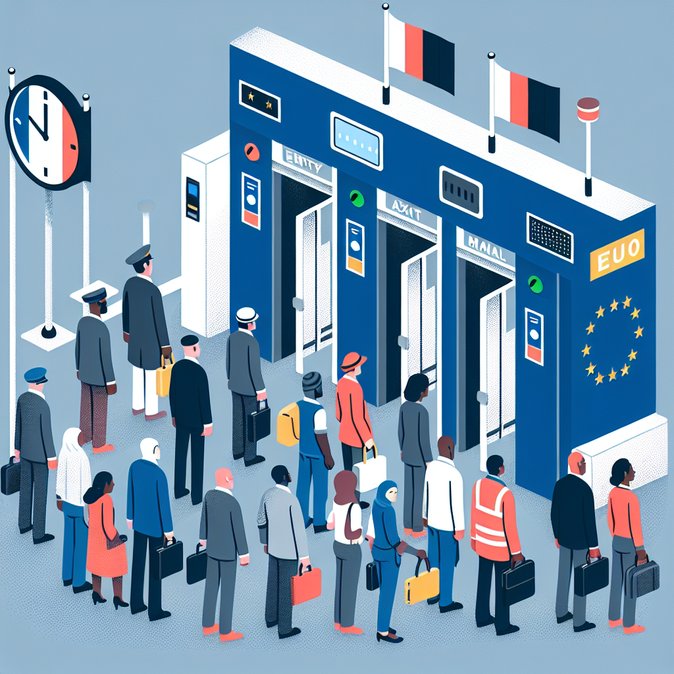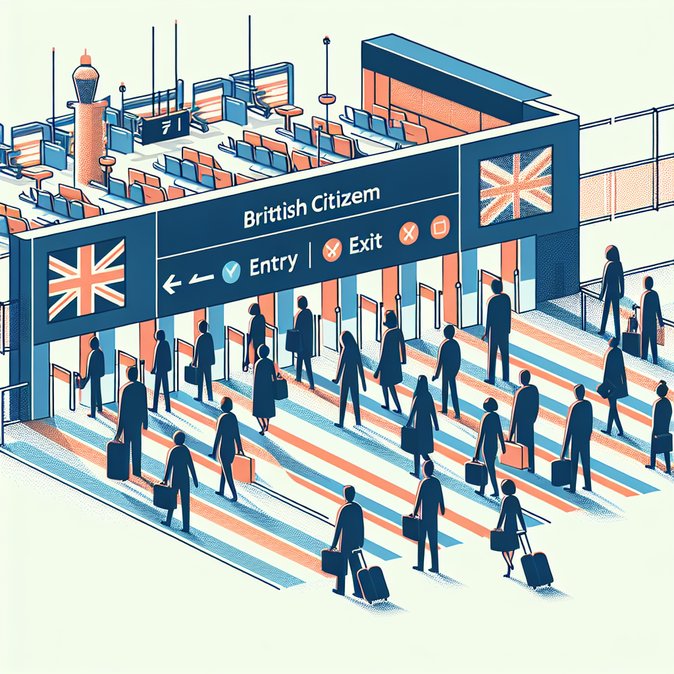
Spain’s Palma de Mallorca airport has opened exclusive biometric-registration lanes for British travellers on the eve of the EU Entry/Exit System’s full launch.
Airport operator Aena confirmed that new kiosks and additional Guardia Civil officers were deployed after trial runs showed first-time EES enrolments could last several minutes per passenger.
The Balearic Islands welcome more than six million UK visitors a year, making them a test case for how tourist hotspots will cope with the extra border-processing time required by EES.
Local hotel and airline associations warned that early-season queues risk damaging the islands’ image; some forecast waits of “several hours” during the Easter peak if mitigations were not in place.
By funnelling UK nationals—who make up the largest single group of “third-country” arrivals—into bespoke lanes, Palma hopes to reduce congestion for both EU and non-EU passengers.
![Palma airport creates dedicated lanes for UK passport holders to ease EES bottlenecks]()
Tour operators TUI and Jet2 have told customers to arrive at least three hours before departure until the system beds in.
To minimise potential holdups even further, travellers can take advantage of VisaHQ’s digital concierge service, which keeps UK passport holders up to date on EES rules and any ancillary entry documentation. The platform—accessible at https://www.visahq.com/united-kingdom/—simplifies form-filling and appointment booking so passengers arrive prepared and spend less time in queues.
From a corporate-mobility perspective, the move illustrates how EU states may tailor procedures to high-volume UK flows.
Business-travel managers operating incentive trips or conferences in Spain should brief delegates on the new process and consider arranging fast-track services where available.
The Balearic government is monitoring average processing times daily; if the dedicated-lane model proves effective it could be rolled out at Málaga, Alicante and Barcelona ahead of the main summer season.
Airport operator Aena confirmed that new kiosks and additional Guardia Civil officers were deployed after trial runs showed first-time EES enrolments could last several minutes per passenger.
The Balearic Islands welcome more than six million UK visitors a year, making them a test case for how tourist hotspots will cope with the extra border-processing time required by EES.
Local hotel and airline associations warned that early-season queues risk damaging the islands’ image; some forecast waits of “several hours” during the Easter peak if mitigations were not in place.
By funnelling UK nationals—who make up the largest single group of “third-country” arrivals—into bespoke lanes, Palma hopes to reduce congestion for both EU and non-EU passengers.

Tour operators TUI and Jet2 have told customers to arrive at least three hours before departure until the system beds in.
To minimise potential holdups even further, travellers can take advantage of VisaHQ’s digital concierge service, which keeps UK passport holders up to date on EES rules and any ancillary entry documentation. The platform—accessible at https://www.visahq.com/united-kingdom/—simplifies form-filling and appointment booking so passengers arrive prepared and spend less time in queues.
From a corporate-mobility perspective, the move illustrates how EU states may tailor procedures to high-volume UK flows.
Business-travel managers operating incentive trips or conferences in Spain should brief delegates on the new process and consider arranging fast-track services where available.
The Balearic government is monitoring average processing times daily; if the dedicated-lane model proves effective it could be rolled out at Málaga, Alicante and Barcelona ahead of the main summer season.