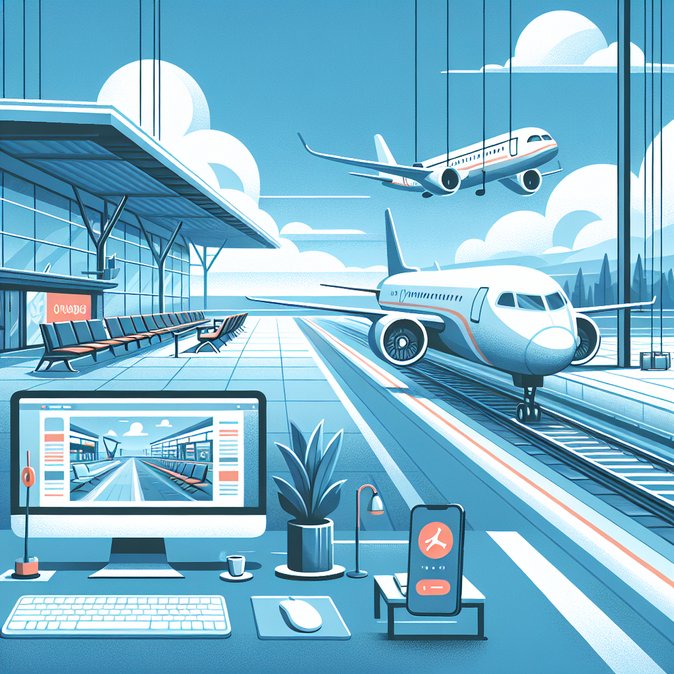
Germany’s business-travel calendar was thrown into turmoil today as the Independent Flight Attendants’ Organisation (UFO) launched a 22-hour walk-out that began at 00:01 on Friday, 10 April 2026. Lufthansa and its regional subsidiary CityLine cancelled or heavily delayed the majority of departures from the carrier’s Frankfurt and Munich hubs, while knock-on disruption rippled through Berlin, Hamburg, Düsseldorf, Cologne/Bonn and other German airports. The strike comes at a sensitive moment— the end of Germany’s Easter school holidays— when aircraft are normally running at or near capacity. Lufthansa says it notified passengers in advance and offered free re-bookings or rail vouchers on Deutsche Bahn services for domestic sectors, but travel-management companies reported that available rail seats to Frankfurt and Munich sold out within hours. Corporations with critical meetings have resorted to video-conferencing or chartering cars to keep executives on schedule.
![Nation-Wide Lufthansa Cabin-Crew Strike Grounds Hundreds of Flights Across Germany]()
Should rerouting force travellers onto itineraries that connect through non-Schengen airports—such as Zurich, London or Istanbul—last-minute transit or entry visas may suddenly become necessary. VisaHQ’s Germany portal (https://www.visahq.com/germany/) offers an at-a-glance matrix of requirements and can fast-track e-visas or passport renewals, ensuring that schedule changes caused by strike action don’t turn into compliance headaches.
At the heart of the dispute are pay scales and a social plan for roughly 800 CityLine crew who face redundancy when the regional airline is wound down and replaced by the new “Lufthansa City Airlines” unit in 2027. UFO claims that management has failed to present a “serious” counter-proposal on work-life balance and future job security; Lufthansa counters that improvements must be negotiated “at the table, not on the tarmac.” For mobility managers the practical fallout is two-fold. First, EU Regulation EC 261 applies because crew strikes are not deemed “extraordinary circumstances,” meaning employers can help staff claim up to €600 in compensation for delays of three hours or more. Second, the disruption underscores the need to build rail and coach contingencies into domestic German itineraries when collective bargaining rounds heat up. Looking ahead, UFO has threatened to escalate to a 48-hour action if negotiations do not resume next week. That would coincide with several major trade fairs in Hannover and Stuttgart, raising the stakes for Germany’s export-oriented industries. Travel teams are therefore urged to keep PNRs in “always-rebookable” status, pre-approve flexible fares and brief travellers on their rights under EC 261 well before departure.

Should rerouting force travellers onto itineraries that connect through non-Schengen airports—such as Zurich, London or Istanbul—last-minute transit or entry visas may suddenly become necessary. VisaHQ’s Germany portal (https://www.visahq.com/germany/) offers an at-a-glance matrix of requirements and can fast-track e-visas or passport renewals, ensuring that schedule changes caused by strike action don’t turn into compliance headaches.
At the heart of the dispute are pay scales and a social plan for roughly 800 CityLine crew who face redundancy when the regional airline is wound down and replaced by the new “Lufthansa City Airlines” unit in 2027. UFO claims that management has failed to present a “serious” counter-proposal on work-life balance and future job security; Lufthansa counters that improvements must be negotiated “at the table, not on the tarmac.” For mobility managers the practical fallout is two-fold. First, EU Regulation EC 261 applies because crew strikes are not deemed “extraordinary circumstances,” meaning employers can help staff claim up to €600 in compensation for delays of three hours or more. Second, the disruption underscores the need to build rail and coach contingencies into domestic German itineraries when collective bargaining rounds heat up. Looking ahead, UFO has threatened to escalate to a 48-hour action if negotiations do not resume next week. That would coincide with several major trade fairs in Hannover and Stuttgart, raising the stakes for Germany’s export-oriented industries. Travel teams are therefore urged to keep PNRs in “always-rebookable” status, pre-approve flexible fares and brief travellers on their rights under EC 261 well before departure.