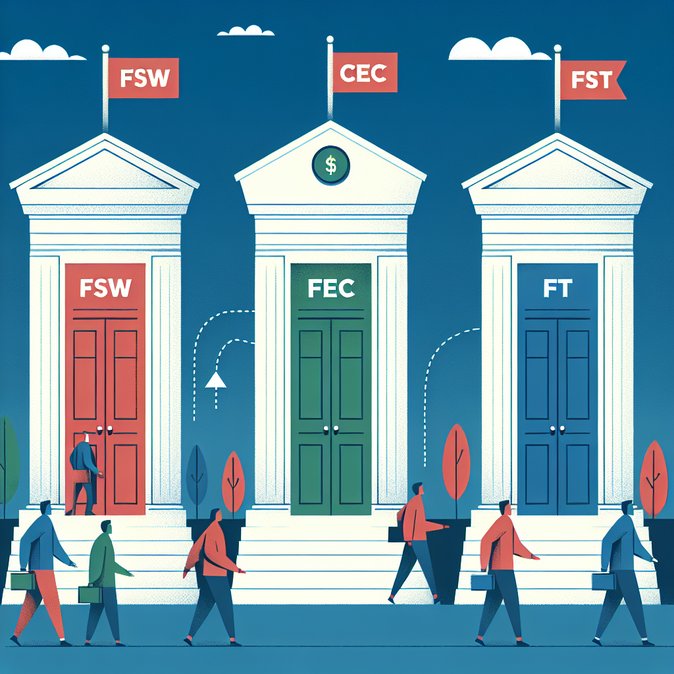
Specialist publication RCIC News released a 6,000-word analytical piece on 9 April summarising what it calls the “most transformative month in Canadian immigration history.”
![‘Ten Major Immigration Changes’ spotlight: RCIC News round-up underscores April shake-up]()
For organisations or individuals who need hands-on support navigating these fast-moving changes, VisaHQ provides an all-in-one portal for Canadian visas and permits—complete with document checklists, fee calculators and live status tracking—at https://www.visahq.com/canada/ Its streamlined interface and expert advisers can help HR teams and assignees cut through the red tape while staying compliant with the latest IRCC requirements.
While some items were already public, the article pulls them together—Express Entry overhaul, record Ontario PNP draw, new LMIA rules, fee increases and processing-time updates—giving mobility managers a one-stop reference. Key highlights include Ontario’s 1,828 invitations issued on 8 April across tech, health-care and francophone streams, and the national shift to category-based selection that is already favouring trade workers and French speakers. The piece also drills into new Labour Market Impact Assessment rules effective 1 April, which increase employer-compliance inspections and restrict low-wage positions in urban centres, while temporarily raising the TFW cap to 15 per cent in rural regions. RCIC News points out that IRCC’s processing-time dashboard, refreshed this week, shows work-permit decisions for intra-company transferees extending to 11 weeks on average—a significant jump that corporations should factor into assignment planning. Although the article bundles multiple announcements, its value lies in connecting the dots: tighter work-permit scrutiny, a more targeted permanent-residence system and aggressive provincial recruiting all signal that Canada is trying to fine-tune immigration to labour-market gaps rather than simply hitting volume targets. Global employers should circulate the round-up internally; its granular timelines, fee tables and CRS trend charts provide a practical checklist for HR, legal and relocation teams gearing up for summer hiring.

For organisations or individuals who need hands-on support navigating these fast-moving changes, VisaHQ provides an all-in-one portal for Canadian visas and permits—complete with document checklists, fee calculators and live status tracking—at https://www.visahq.com/canada/ Its streamlined interface and expert advisers can help HR teams and assignees cut through the red tape while staying compliant with the latest IRCC requirements.
While some items were already public, the article pulls them together—Express Entry overhaul, record Ontario PNP draw, new LMIA rules, fee increases and processing-time updates—giving mobility managers a one-stop reference. Key highlights include Ontario’s 1,828 invitations issued on 8 April across tech, health-care and francophone streams, and the national shift to category-based selection that is already favouring trade workers and French speakers. The piece also drills into new Labour Market Impact Assessment rules effective 1 April, which increase employer-compliance inspections and restrict low-wage positions in urban centres, while temporarily raising the TFW cap to 15 per cent in rural regions. RCIC News points out that IRCC’s processing-time dashboard, refreshed this week, shows work-permit decisions for intra-company transferees extending to 11 weeks on average—a significant jump that corporations should factor into assignment planning. Although the article bundles multiple announcements, its value lies in connecting the dots: tighter work-permit scrutiny, a more targeted permanent-residence system and aggressive provincial recruiting all signal that Canada is trying to fine-tune immigration to labour-market gaps rather than simply hitting volume targets. Global employers should circulate the round-up internally; its granular timelines, fee tables and CRS trend charts provide a practical checklist for HR, legal and relocation teams gearing up for summer hiring.