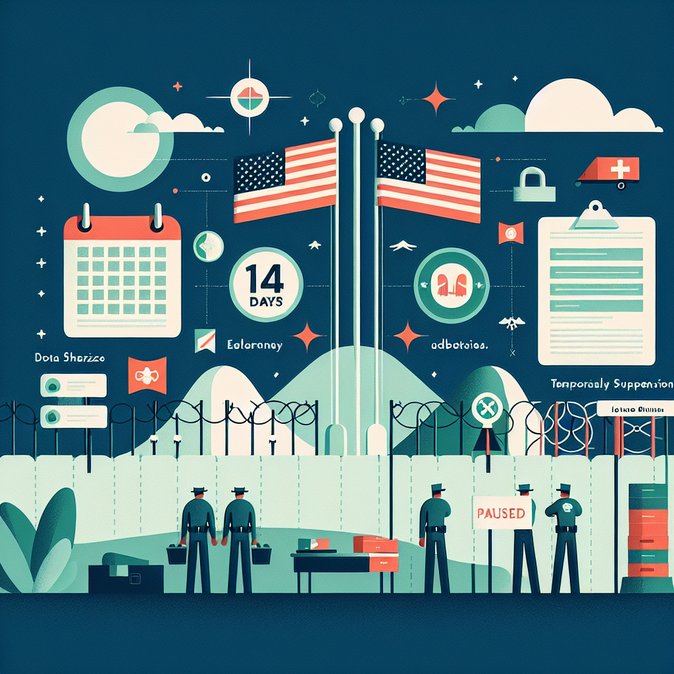
Canada’s Strengthening Immigration System and Borders Act (Bill C-12) quietly came into force on 26 March 2026, but corporate mobility teams took note only after Crown World Mobility highlighted the details in its 9 April weekly update. The law tightens eligibility criteria for refugee claims and grants IRCC sweeping powers to suspend or cancel groups of immigration documents in the public interest. The most immediate change affects claimants entering between official ports of entry along the 8,900-kilometre Canada–US border. Individuals who cross irregularly now have just 14 days to file an asylum application; otherwise, they become ineligible and face removal. Claims submitted more than one year after a person’s first entry into Canada are also barred unless exceptional circumstances apply. From a compliance perspective, Bill C-12 formalises IRCC’s authority to share identity and status information with provincial agencies and other federal departments. Employers sponsoring work permits should anticipate faster cross-checks between immigration records and social-insurance data, potentially exposing payroll discrepancies or unauthorized work earlier in the process.
![Bill C-12 brings stricter timelines for asylum claims at Canada–US land border]()
At this juncture, businesses and individuals trying to keep pace with these shifting rules may find it helpful to engage a specialist such as VisaHQ. The company’s Canada team (https://www.visahq.com/canada/) tracks legislative changes in real time and provides end-to-end assistance with visa, eTA and work-permit filings, including document reviews and status monitoring. By flagging potential inconsistencies before applications reach IRCC, VisaHQ can help employers and travelers avoid costly delays or compliance surprises.
The Act also introduces a mechanism for the federal cabinet to pause the intake of new applications in specific categories or to invalidate documents—such as work permits or visas—belonging to a defined group, subject to a public-interest test and parliamentary reporting. While unlikely to be used frequently, the tool could be activated during sudden security crises or large-scale fraud investigations. Legal advocates have raised concerns about due-process safeguards, noting that shortened asylum timelines may disadvantage vulnerable claimants. For global companies, the key takeaway is that border-related disruptions—such as employees being denied re-entry or having documents suspended—could occur with little prior notice. Mobility policies should include contingency plans, and companies may wish to monitor Canada Gazette notices for any future suspension orders under the new law.

At this juncture, businesses and individuals trying to keep pace with these shifting rules may find it helpful to engage a specialist such as VisaHQ. The company’s Canada team (https://www.visahq.com/canada/) tracks legislative changes in real time and provides end-to-end assistance with visa, eTA and work-permit filings, including document reviews and status monitoring. By flagging potential inconsistencies before applications reach IRCC, VisaHQ can help employers and travelers avoid costly delays or compliance surprises.
The Act also introduces a mechanism for the federal cabinet to pause the intake of new applications in specific categories or to invalidate documents—such as work permits or visas—belonging to a defined group, subject to a public-interest test and parliamentary reporting. While unlikely to be used frequently, the tool could be activated during sudden security crises or large-scale fraud investigations. Legal advocates have raised concerns about due-process safeguards, noting that shortened asylum timelines may disadvantage vulnerable claimants. For global companies, the key takeaway is that border-related disruptions—such as employees being denied re-entry or having documents suspended—could occur with little prior notice. Mobility policies should include contingency plans, and companies may wish to monitor Canada Gazette notices for any future suspension orders under the new law.