The long-delayed EU Entry/Exit System officially becomes mandatory on Friday, 10 April 2026, ending passport stamping for third-country nationals—at least in theory. Business Travel News Europe reports that while most of the 29 Schengen states are already capturing more than 75 % of travellers’ biometrics, France is scrambling to reach technical readiness at its busiest gateways.
![EU Entry/Exit System enters final phase—but French airports and ferries seek grace period]()
For corporate travel planners looking to stay ahead of these changes, VisaHQ’s France resource hub (https://www.visahq.com/france/) provides real-time updates on EES roll-out, biometric requirements and Schengen-day calculations, while also streamlining visa and passport services for employees who need assistance before departure.
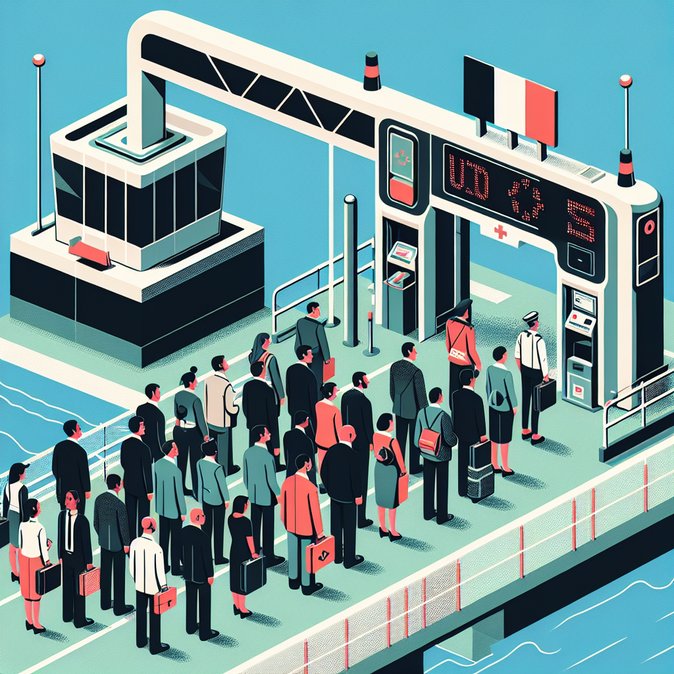
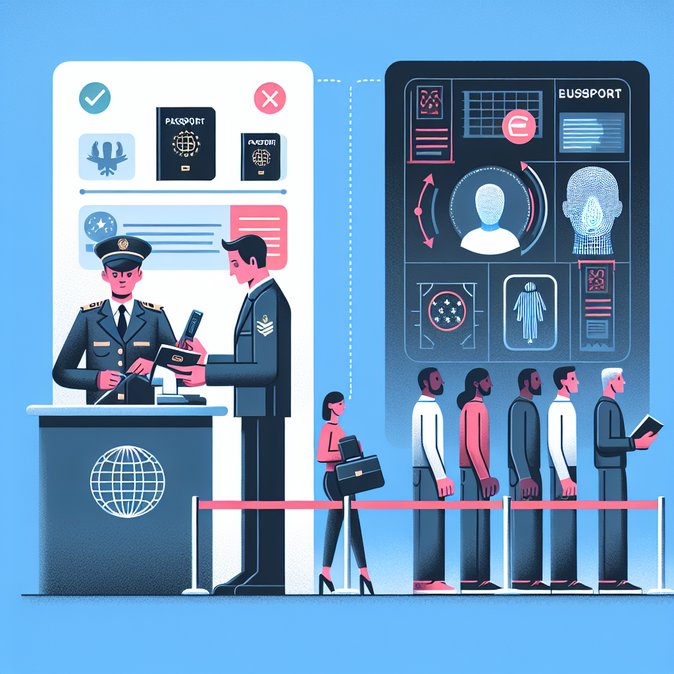
Airports operator Aéroports de Paris and ferry firms have lobbied Brussels for "flexible suspension" powers to avoid multi-hour queues during the summer peak. In practice, French ports and Eurotunnel will retain manual stamping for UK passengers until kiosk software passes acceptance tests, echoing Paris’s last-minute pause at Channel rail terminals earlier this week. Airlines and travel-management companies therefore face a patchwork of procedures: Charles-de-Gaulle will scan fingerprints at departure, while a Dover–Calais traveller could still get an ink stamp. Why it matters for corporates: 1. First-time EES enrolment takes about 70 seconds *per traveller*; that inflates departure timelines and may jeopardise tight connections through CDG or Lyon. 2. Once biometrics are in the system, the 90/180-day counter runs automatically—HR cannot rely on missing exit stamps to argue "stop-the-clock" any more. 3. Airlines must query each passenger record before boarding from April, adding a new data-field to PNR transmissions; back-office IT teams should verify that their GDS or OBT can handle the extra call. The European Commission says member states can request "partial or total" suspension of EES during extraordinary peaks, but such derogations must be time-limited and notified publicly. France, Spain and the Netherlands are expected to apply during the EURO 2026 football tournament. Action points: Update traveller briefings to advise at least 30 minutes extra for border formalities when flying into or out of France post-10 April. Ensure Schengen-day calculators inside travel-risk platforms are EES-compatible, and remind frequent commuters that the system counts *calendar* days, not nights.

For corporate travel planners looking to stay ahead of these changes, VisaHQ’s France resource hub (https://www.visahq.com/france/) provides real-time updates on EES roll-out, biometric requirements and Schengen-day calculations, while also streamlining visa and passport services for employees who need assistance before departure.
Airports operator Aéroports de Paris and ferry firms have lobbied Brussels for "flexible suspension" powers to avoid multi-hour queues during the summer peak. In practice, French ports and Eurotunnel will retain manual stamping for UK passengers until kiosk software passes acceptance tests, echoing Paris’s last-minute pause at Channel rail terminals earlier this week. Airlines and travel-management companies therefore face a patchwork of procedures: Charles-de-Gaulle will scan fingerprints at departure, while a Dover–Calais traveller could still get an ink stamp. Why it matters for corporates: 1. First-time EES enrolment takes about 70 seconds *per traveller*; that inflates departure timelines and may jeopardise tight connections through CDG or Lyon. 2. Once biometrics are in the system, the 90/180-day counter runs automatically—HR cannot rely on missing exit stamps to argue "stop-the-clock" any more. 3. Airlines must query each passenger record before boarding from April, adding a new data-field to PNR transmissions; back-office IT teams should verify that their GDS or OBT can handle the extra call. The European Commission says member states can request "partial or total" suspension of EES during extraordinary peaks, but such derogations must be time-limited and notified publicly. France, Spain and the Netherlands are expected to apply during the EURO 2026 football tournament. Action points: Update traveller briefings to advise at least 30 minutes extra for border formalities when flying into or out of France post-10 April. Ensure Schengen-day calculators inside travel-risk platforms are EES-compatible, and remind frequent commuters that the system counts *calendar* days, not nights.