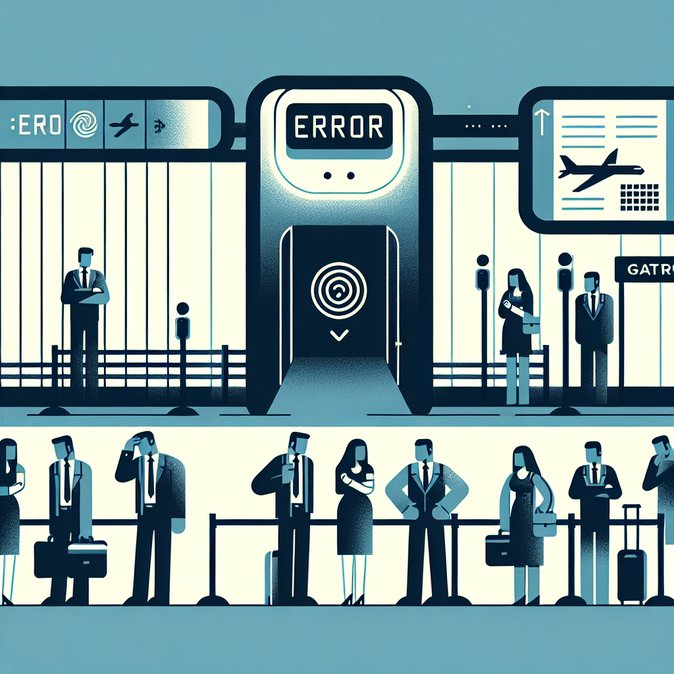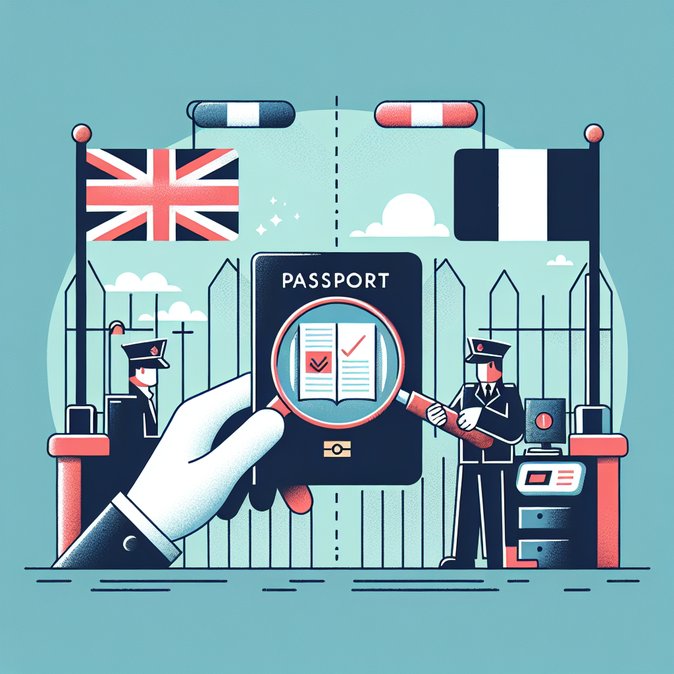
In a last-minute admission, France’s Ministry of the Interior has postponed full biometric Entry/Exit System (EES) checks at juxtaposed UK – France border points—including Eurostar’s St Pancras terminal and the ports of Dover and Calais. The automated system was due to go live on 10 April but has been "paused for several weeks" because software integration tests failed and physical booth space is still inadequate.
![France Delays EES Biometric Checks at Channel Crossings, Extending Manual Stamp Period]()
If you're unsure how these shifting timelines might affect your own trips or the movements of your employees, VisaHQ can help decode the new Schengen requirements, arrange supporting documents, and keep you updated on any future EES launch dates. Visit their UK hub at https://www.visahq.com/united-kingdom/ for streamlined assistance.
Until the rollout resumes, British travellers will continue to receive manual passport stamps and the 90/180-day Schengen counter will have to be tracked manually. For employers rotating staff frequently across the Channel, the delay removes the immediate risk of sudden automated overstay flags—but also prolongs reliance on error-prone paper stamps. Eurostar welcomed the decision, saying it averts potential 15-minute processing times per passenger that would have crippled peak-hour departures. Logistics operators moving technicians under the UK–EU Trade and Cooperation Agreement also gain breathing space to brief staff on biometric procedures once a new launch date is set. Global-mobility teams should: (1) keep manual day-count spreadsheets up to date, (2) remind travellers to insist on entry and exit stamps, and (3) budget for longer Channel-tunnel dwell times when EES eventually starts.

If you're unsure how these shifting timelines might affect your own trips or the movements of your employees, VisaHQ can help decode the new Schengen requirements, arrange supporting documents, and keep you updated on any future EES launch dates. Visit their UK hub at https://www.visahq.com/united-kingdom/ for streamlined assistance.
Until the rollout resumes, British travellers will continue to receive manual passport stamps and the 90/180-day Schengen counter will have to be tracked manually. For employers rotating staff frequently across the Channel, the delay removes the immediate risk of sudden automated overstay flags—but also prolongs reliance on error-prone paper stamps. Eurostar welcomed the decision, saying it averts potential 15-minute processing times per passenger that would have crippled peak-hour departures. Logistics operators moving technicians under the UK–EU Trade and Cooperation Agreement also gain breathing space to brief staff on biometric procedures once a new launch date is set. Global-mobility teams should: (1) keep manual day-count spreadsheets up to date, (2) remind travellers to insist on entry and exit stamps, and (3) budget for longer Channel-tunnel dwell times when EES eventually starts.