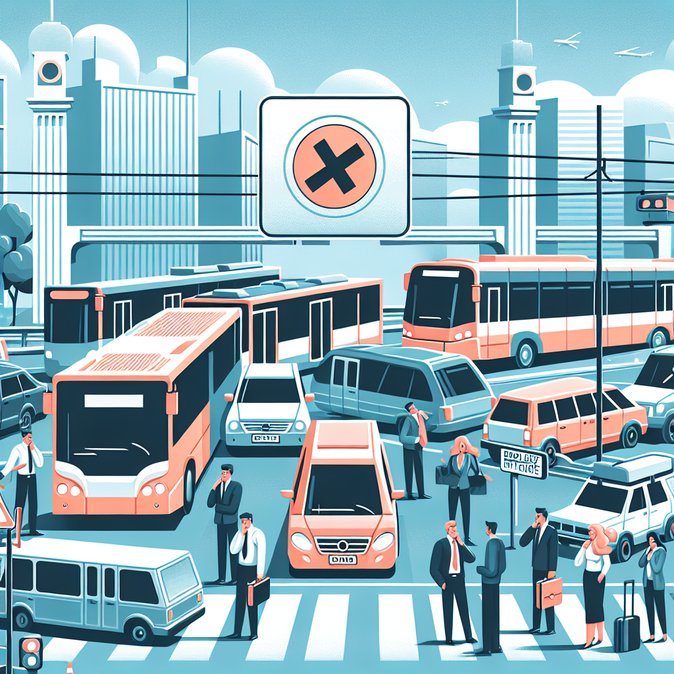
In a move that underscores how migration has vaulted back to the top of Germany’s political agenda, Chancellor Olaf Scholz on 8 April 2026 confirmed that temporary checks at all land borders will remain in force until at least 15 September 2026. Originally introduced in September 2024, the controls now cover crossings with Austria, Poland, Czechia, Denmark, the Netherlands, Belgium and Luxembourg, as well as spot checks at ports and airports. The government says the extension is justified by results: some 47,000 attempted irregular entries have been prevented and 1,900 suspected people-smugglers arrested since the controls began. Interior Minister Nancy Faeser stressed that asylum applications fell by a third in 2025 and argued that maintaining pressure on smuggling networks is “indispensable” while the EU’s Pact on Migration and Asylum is phased in. Business lobbies are wary. Before re-introducing checks, Germany processed around 42 percent of all EU road freight at internal Schengen borders without stopping a single truck. The Bundesverband Spedition und Logistik (BSL) now estimates delays cost the economy €60 million a month in lost productivity and wasted driver hours. Manufacturers with “just-in-sequence” supply chains—particularly the Bavarian automotive cluster—have padded inventories or re-routed via Swiss corridors, offsetting some of the cost but eroding efficiency gains.
Schengen rules allow internal controls only as a last resort and for short periods, but Berlin argues that the scale of trans-continental migration warrants exceptional measures. Luxembourg and Denmark have lodged complaints with the European Commission, citing disproportionate impact on cross-border workers. A legal challenge is likely if Germany seeks yet another extension beyond September, which would hit the two-year time-limit set by EU law.
![Germany Extends Internal Border Controls for Another Six Months]()
Organizations that need guidance on visas, residence permits or posted-worker documentation can streamline the process with VisaHQ’s dedicated Germany portal (https://www.visahq.com/germany/). The platform aggregates the latest requirements, offers step-by-step application support and provides tracking tools that help HR teams and travelers stay compliant—an invaluable asset while border checks continue.
For mobility and HR teams managing assignees in Germany, the decision means continued document checks on coaches, private vehicles and cross-border trains. Employees without valid residence cards or proof of posted-worker status can still be denied entry. Companies should audit staff travel patterns and ensure that anyone who regularly crosses land borders carries both a passport (or national ID for EU citizens) and a copy of their residence permit or A1 certificate to avoid being turned back.
Schengen rules allow internal controls only as a last resort and for short periods, but Berlin argues that the scale of trans-continental migration warrants exceptional measures. Luxembourg and Denmark have lodged complaints with the European Commission, citing disproportionate impact on cross-border workers. A legal challenge is likely if Germany seeks yet another extension beyond September, which would hit the two-year time-limit set by EU law.
Organizations that need guidance on visas, residence permits or posted-worker documentation can streamline the process with VisaHQ’s dedicated Germany portal (https://www.visahq.com/germany/). The platform aggregates the latest requirements, offers step-by-step application support and provides tracking tools that help HR teams and travelers stay compliant—an invaluable asset while border checks continue.
For mobility and HR teams managing assignees in Germany, the decision means continued document checks on coaches, private vehicles and cross-border trains. Employees without valid residence cards or proof of posted-worker status can still be denied entry. Companies should audit staff travel patterns and ensure that anyone who regularly crosses land borders carries both a passport (or national ID for EU citizens) and a copy of their residence permit or A1 certificate to avoid being turned back.