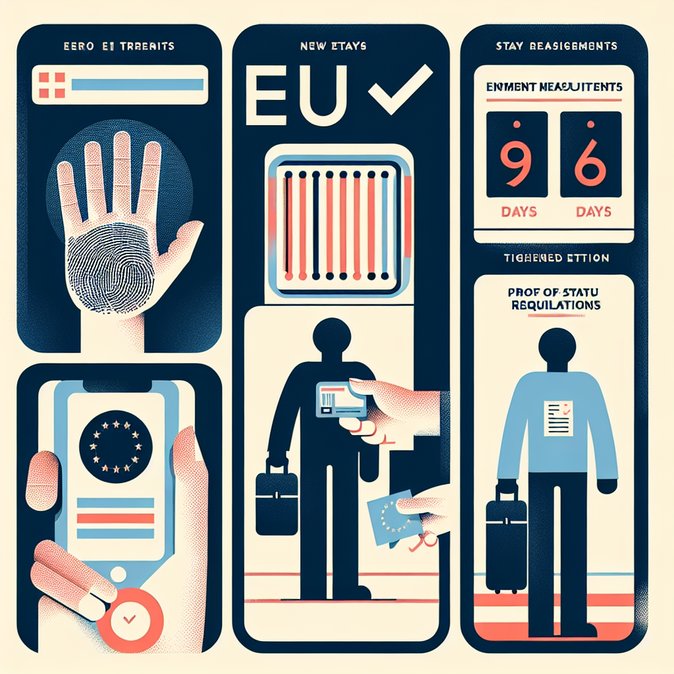
After an 18-month phased rollout, the EU’s biometric Entry/Exit System (EES) will become obligatory at **all** external Schengen border-crossing points on 10 April. Travel site The Adept Traveler issued a detailed briefing on 6 April outlining practical impacts for non-EU nationals flying, sailing or driving into Italy and 28 other participating states. EES replaces manual passport stamping with a digital record of each entry and exit, capturing facial images and, in many cases, fingerprints on first registration. For corporate mobility teams this creates two immediate considerations: longer queues for travellers who have not yet enrolled, and unforgiving automated calculations of the 90/180-day short-stay limit. Italy’s busiest gateways—Rome Fiumicino, Milan Malpensa and Venice Marco-Polo—have installed additional biometric kiosks, but union representatives warn that staffing shortages could still create bottlenecks during the first post-Easter surge. Travellers connecting onward to domestic flights or high-speed rail should therefore add buffer time.
![Schengen Biometric Entry/Exit System Becomes Mandatory on 10 April—What It Means for Travel to Italy]()
If you’re unsure about whether EES applies to you or need assistance securing the correct visa or residence documentation before departure, VisaHQ’s Italy portal (https://www.visahq.com/italy/) can streamline the process. The platform offers up-to-date guidance, application checklists and expedited processing options, helping travelers and mobility coordinators avoid last-minute surprises at the border.
The system does **not** apply to holders of Italian residence permits, EU long-stay visas or family cards, yet airlines report confusion among check-in staff about documentation that exempts passengers from EES. Mobility managers should ensure affected employees carry proof of exempt status and understand that the first Schengen point—not the final destination—controls enrolment. Looking ahead, EES data will feed directly into ETIAS risk-assessment engines and may eventually be cross-checked against national tax and social-security databases. That raises privacy questions but also promises faster automated clearance for repeat travellers once their biometric profile is stored. For now, the operative advice is simple: arrive early, have fingerprints ready and expect the end of souvenir passport stamps.

If you’re unsure about whether EES applies to you or need assistance securing the correct visa or residence documentation before departure, VisaHQ’s Italy portal (https://www.visahq.com/italy/) can streamline the process. The platform offers up-to-date guidance, application checklists and expedited processing options, helping travelers and mobility coordinators avoid last-minute surprises at the border.
The system does **not** apply to holders of Italian residence permits, EU long-stay visas or family cards, yet airlines report confusion among check-in staff about documentation that exempts passengers from EES. Mobility managers should ensure affected employees carry proof of exempt status and understand that the first Schengen point—not the final destination—controls enrolment. Looking ahead, EES data will feed directly into ETIAS risk-assessment engines and may eventually be cross-checked against national tax and social-security databases. That raises privacy questions but also promises faster automated clearance for repeat travellers once their biometric profile is stored. For now, the operative advice is simple: arrive early, have fingerprints ready and expect the end of souvenir passport stamps.