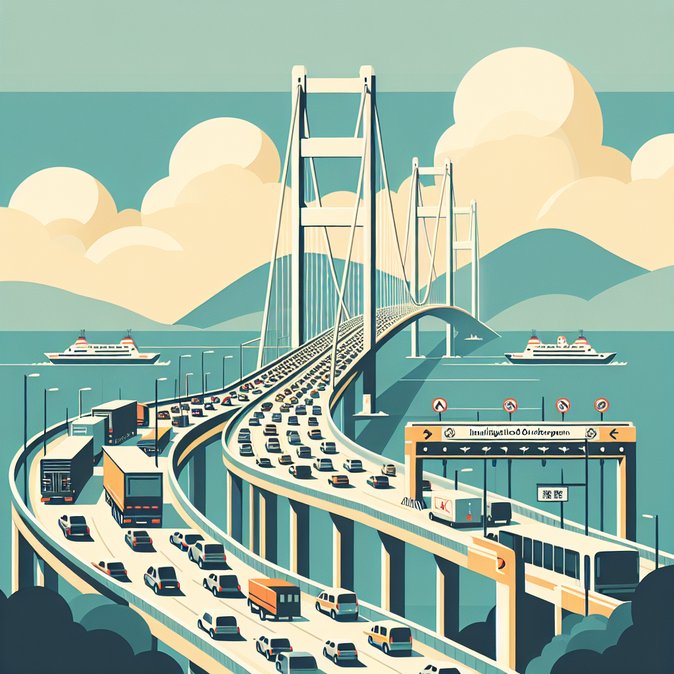
Holiday gridlock on the Hong Kong-Zhuhai-Macao Bridge (HZMB) has reignited debate over how cars clear the border. Speaking on RTHK radio on 6 April, Ringo Lee, honorary life president of the Hong Kong, China Automobile Association, called on both SAR and mainland authorities to let more travellers complete immigration and customs procedures without leaving their vehicles. At present, only limited categories—such as elderly passengers, young children and those with reduced mobility—use the "on-board clearance" lanes installed on the Zhuhai side.
![Motorists’ group urges in-vehicle immigration checks on Hong Kong-Zhuhai-Macao Bridge]()
For motorists preparing similar cross-border journeys, a reliable visa and travel-document service can remove an extra layer of stress. VisaHQ, for instance, offers an easy online portal that spells out the latest entry rules for Hong Kong, Macau and mainland China, guides users through the required forms and even arranges secure courier pickup of passports—so everything is squared away before you reach the tollbooths. Full details are available at https://www.visahq.com/hong-kong/
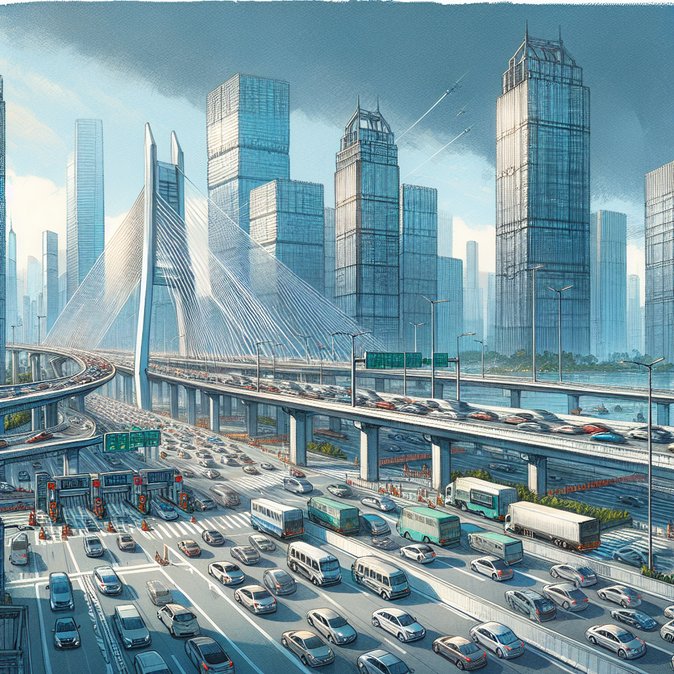
Most drivers under the Northbound Travel for Hong Kong Vehicles scheme must still park, enter the hall, scan travel documents and undergo biometric checks before re-boarding—a process that creates bottlenecks when tens of thousands return from long weekends. Lee noted that during the Easter–Ching Ming break the bridge processed over 192,000 passengers and 30,000 cars in just two days. Allowing all vehicles to stay in motion while officers perform ID scans, facial recognition and permit verification would slash dwell time and cut queues that regularly stretch across the 55-kilometre link. Transport economists say technology is no longer the barrier: both Hong Kong’s e-Channel and mainland automated systems can read Home Return Permits, passports and car RFID tags at drive-through speed. The challenge lies in harmonising legal frameworks and allocating jurisdiction for any secondary inspections. If adopted, the reform would benefit corporate motorists shuttling between the Greater Bay Area’s manufacturing sites and Hong Kong headquarters, saving billable hours and fuel. For now, Lee is pushing for the “on-board” option to operate 24/7—rather than only at peak times—as a pilot toward full roll-out.
For motorists preparing similar cross-border journeys, a reliable visa and travel-document service can remove an extra layer of stress. VisaHQ, for instance, offers an easy online portal that spells out the latest entry rules for Hong Kong, Macau and mainland China, guides users through the required forms and even arranges secure courier pickup of passports—so everything is squared away before you reach the tollbooths. Full details are available at https://www.visahq.com/hong-kong/
Most drivers under the Northbound Travel for Hong Kong Vehicles scheme must still park, enter the hall, scan travel documents and undergo biometric checks before re-boarding—a process that creates bottlenecks when tens of thousands return from long weekends. Lee noted that during the Easter–Ching Ming break the bridge processed over 192,000 passengers and 30,000 cars in just two days. Allowing all vehicles to stay in motion while officers perform ID scans, facial recognition and permit verification would slash dwell time and cut queues that regularly stretch across the 55-kilometre link. Transport economists say technology is no longer the barrier: both Hong Kong’s e-Channel and mainland automated systems can read Home Return Permits, passports and car RFID tags at drive-through speed. The challenge lies in harmonising legal frameworks and allocating jurisdiction for any secondary inspections. If adopted, the reform would benefit corporate motorists shuttling between the Greater Bay Area’s manufacturing sites and Hong Kong headquarters, saving billable hours and fuel. For now, Lee is pushing for the “on-board” option to operate 24/7—rather than only at peak times—as a pilot toward full roll-out.