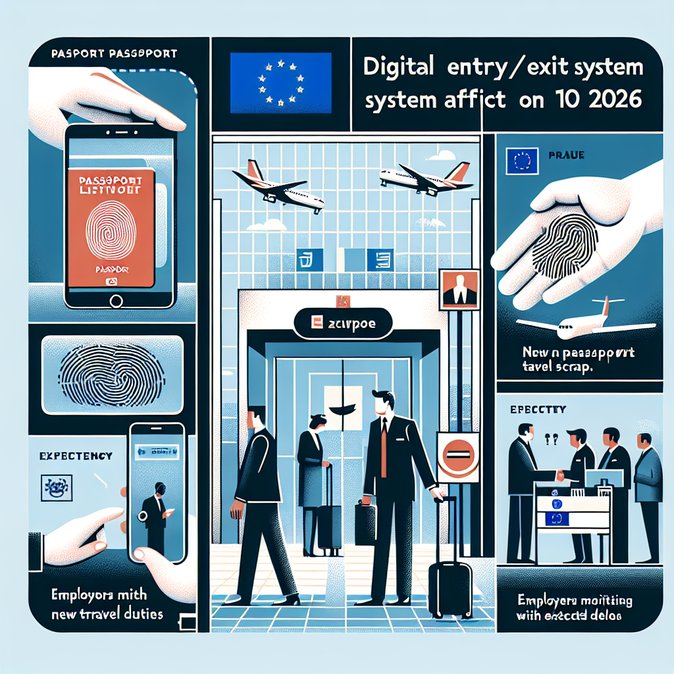
A sophisticated cyber-incident targeting a shared airline and airport IT platform between 4 and 6 April caused cascading disruption at dozens of European hubs, according to aviation news outlet The Traveler. Prague was not among the airports directly hit, but knock-on schedule chaos left several flights to and from Václav Havel Airport delayed on Easter Monday and Tuesday as aircraft and crews were out of position. The attack crippled check-in, baggage and boarding systems at Heathrow, Charles-de-Gaulle, Frankfurt and Copenhagen. With staff reverting to manual procedures, more than 1 600 flights across the continent were cancelled or delayed on 6 April alone. Airlines activated emergency rosters, while passengers were advised to carry printed itineraries and arrive early.
![Major cyberattack on aviation IT systems snarls flights across Europe and hits Prague connections]()
At times like these, having paperwork in perfect order becomes even more essential. VisaHQ’s Czech portal (https://www.visahq.com/czech-republic/) lets travellers and corporate travel managers obtain, renew or digitise visas quickly, track applications in real time and receive instant alerts—providing a vital buffer when sudden IT outages throw flight schedules into disarray.
For Czech businesses the episode is a reminder of supply-chain fragility. IT outages abroad can strand executives, delay critical cargo and trigger duty-of-care obligations. Travel-management companies in Prague have already updated contingency playbooks that were first drafted during the pandemic: they now recommend booking flexible tickets, storing digital copies of visas and building buffer days into high-stakes itineraries. Cyber-security analysts say the incident will accelerate EU plans to include aviation in the forthcoming Critical Entities Resilience Directive and could force airports to invest aggressively in network segmentation and offline back-ups. Prague Airport’s own digital-transformation plan already earmarks funding for extra redundancy; this week’s events will give those proposals new urgency.

At times like these, having paperwork in perfect order becomes even more essential. VisaHQ’s Czech portal (https://www.visahq.com/czech-republic/) lets travellers and corporate travel managers obtain, renew or digitise visas quickly, track applications in real time and receive instant alerts—providing a vital buffer when sudden IT outages throw flight schedules into disarray.
For Czech businesses the episode is a reminder of supply-chain fragility. IT outages abroad can strand executives, delay critical cargo and trigger duty-of-care obligations. Travel-management companies in Prague have already updated contingency playbooks that were first drafted during the pandemic: they now recommend booking flexible tickets, storing digital copies of visas and building buffer days into high-stakes itineraries. Cyber-security analysts say the incident will accelerate EU plans to include aviation in the forthcoming Critical Entities Resilience Directive and could force airports to invest aggressively in network segmentation and offline back-ups. Prague Airport’s own digital-transformation plan already earmarks funding for extra redundancy; this week’s events will give those proposals new urgency.