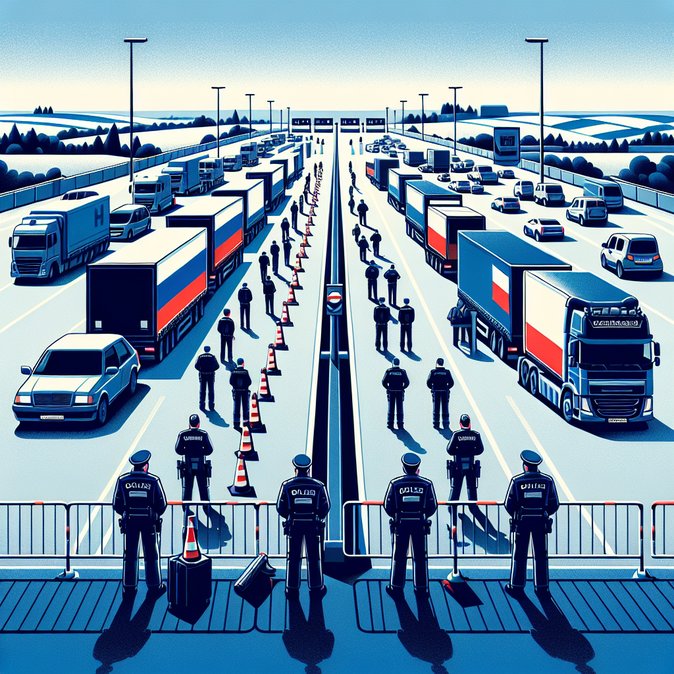
On 6 April German Interior Minister Alexander Dobrindt ordered the Federal Police to deploy an additional 3 000 officers to land borders and to step up the rejection of undocumented entrants. Berlin Today reports that the move doubles riot-police capacity and extends spot checks that have existed at the Austrian frontier to all neighbouring borders—including the 810 km crossing with Czechia. For the tens of thousands of Czechs who commute daily to jobs in Bavaria and Saxony, the directive threatens longer queues and unpredictable journey times.
![Germany reinforces border controls, raising stakes for Czech cross-border commuters and freight]()
VisaHQ can help travellers and employers navigate these shifting requirements. Its dedicated Czech Republic portal (https://www.visahq.com/czech-republic/) aggregates the latest Schengen entry rules, offers real-time alerts, and streamlines the application process for visas and travel documents—services that can minimise delays and uncertainty as border controls tighten.
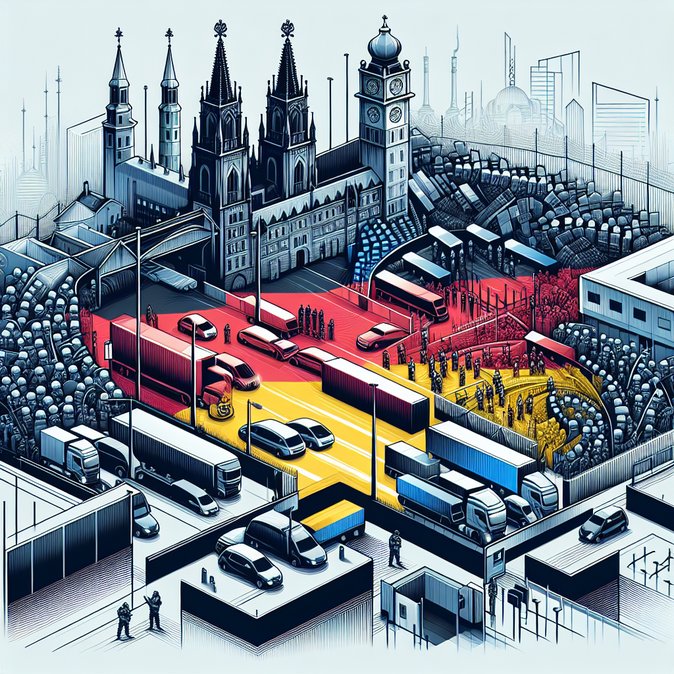
Logistics operators moving automotive parts between Czech factories and German assembly plants are bracing for schedule slippage; just-in-time deliveries had already been under strain from Easter truck bans earlier in the week. The policy also complicates travel-risk assessments for multinationals headquartered in Prague. Employee-card holders who live in Czech border towns but fly out of Munich or Dresden could face enhanced document checks and questions about purpose of stay, adding variance to door-to-door transit times. German police unions have demanded legal clarity on immediate rejections of asylum seekers, while Brussels is expected to scrutinise the proportionality of the measures under Schengen rules. Prague’s Foreign Ministry has so far issued only a “monitor and report” instruction to its consulates. Companies with cross-border staff are advised to update commuter policies and factor in buffer time for road transport.
VisaHQ can help travellers and employers navigate these shifting requirements. Its dedicated Czech Republic portal (https://www.visahq.com/czech-republic/) aggregates the latest Schengen entry rules, offers real-time alerts, and streamlines the application process for visas and travel documents—services that can minimise delays and uncertainty as border controls tighten.
Logistics operators moving automotive parts between Czech factories and German assembly plants are bracing for schedule slippage; just-in-time deliveries had already been under strain from Easter truck bans earlier in the week. The policy also complicates travel-risk assessments for multinationals headquartered in Prague. Employee-card holders who live in Czech border towns but fly out of Munich or Dresden could face enhanced document checks and questions about purpose of stay, adding variance to door-to-door transit times. German police unions have demanded legal clarity on immediate rejections of asylum seekers, while Brussels is expected to scrutinise the proportionality of the measures under Schengen rules. Prague’s Foreign Ministry has so far issued only a “monitor and report” instruction to its consulates. Companies with cross-border staff are advised to update commuter policies and factor in buffer time for road transport.