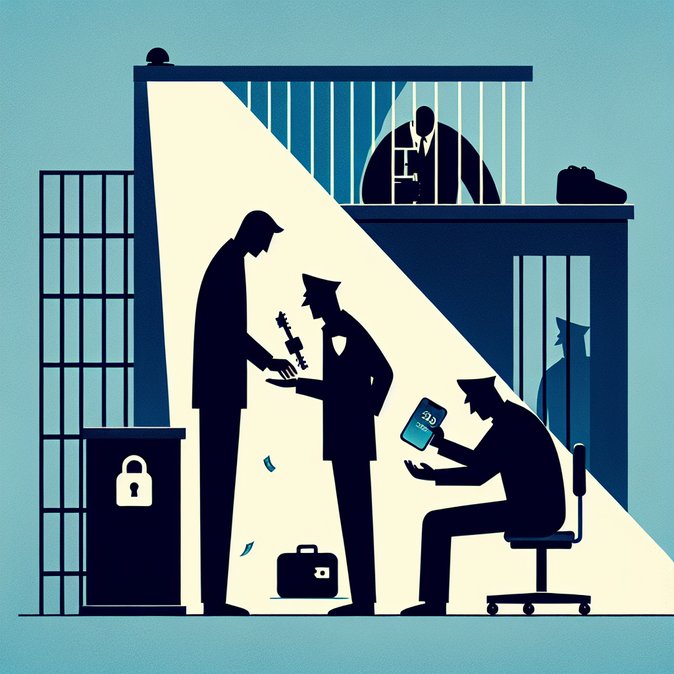
Travel And Tour World reported on 5 April that American visitors to Hong Kong face new legal exposure following March amendments to the city’s Safeguarding National Security Ordinance. The revised rules empower police and immigration officers to compel any person—including transit passengers—to unlock electronic devices and disclose passwords. Refusal carries penalties of up to 12 months’ imprisonment and fines that can reach HK$100 000.
![U.S. travellers warned: Hong Kong can now demand phone passwords under security rules]()
Travellers seeking clarity on entry requirements can also consult VisaHQ, whose Hong Kong portal (https://www.visahq.com/hong-kong/) consolidates up-to-date visa rules, security notices and document-check services; its specialists can advise on best practices for device inspections, arrange transit visas and streamline other pre-departure paperwork, giving visitors an extra layer of confidence before arriving in the SAR.
The U.S. Consulate has updated its travel advisory, urging citizens to carry only essential devices and to back up or encrypt sensitive data before departure. Business-mobility teams are revising corporate-travel policies: several multinational banks now advise staff to travel with ‘clean’ laptops that contain no client data and to rely on cloud-based virtual-desktop environments once inside Hong Kong’s network perimeter. Privacy advocates warn the powers are broader than comparable provisions at U.S. and Australian borders because they apply to anyone “believed to know” a password—potentially ensnaring colleagues, family members or interpreters. Companies that hold EU personal data must also check whether compelled disclosure could trigger GDPR breach-notification obligations. Immigration lawyers recommend documenting any password demands in writing and requesting a receipt for seized devices. Travellers transiting Hong Kong International Airport for less than 24 hours should note they are not exempt. Airlines have begun issuing operational bulletins reminding cabin crews that personal devices may be subject to inspection on arrival.

Travellers seeking clarity on entry requirements can also consult VisaHQ, whose Hong Kong portal (https://www.visahq.com/hong-kong/) consolidates up-to-date visa rules, security notices and document-check services; its specialists can advise on best practices for device inspections, arrange transit visas and streamline other pre-departure paperwork, giving visitors an extra layer of confidence before arriving in the SAR.
The U.S. Consulate has updated its travel advisory, urging citizens to carry only essential devices and to back up or encrypt sensitive data before departure. Business-mobility teams are revising corporate-travel policies: several multinational banks now advise staff to travel with ‘clean’ laptops that contain no client data and to rely on cloud-based virtual-desktop environments once inside Hong Kong’s network perimeter. Privacy advocates warn the powers are broader than comparable provisions at U.S. and Australian borders because they apply to anyone “believed to know” a password—potentially ensnaring colleagues, family members or interpreters. Companies that hold EU personal data must also check whether compelled disclosure could trigger GDPR breach-notification obligations. Immigration lawyers recommend documenting any password demands in writing and requesting a receipt for seized devices. Travellers transiting Hong Kong International Airport for less than 24 hours should note they are not exempt. Airlines have begun issuing operational bulletins reminding cabin crews that personal devices may be subject to inspection on arrival.