With just days to go before the EU’s Entry/Exit System (EES) was due to become fully operational, French authorities have admitted that key equipment will **not** be ready at juxtaposed controls in Dover, Folkestone and London St Pancras. As reported by *The Connexion* on 5 April and updated today, most ferry, Le Shuttle and Eurostar passengers will therefore continue to be waved through on existing passport-stamping procedures for the time being.
![France Delays Biometric EU Border Checks for UK Travellers]()
For travellers who want to stay ahead of these shifting requirements, VisaHQ can offer practical help. Its UK site (https://www.visahq.com/united-kingdom/) provides real-time visa and passport guidance, bespoke alerts and application support, making it easier for holiday-makers and corporate road-warriors alike to navigate the new biometric rules once they finally take effect.
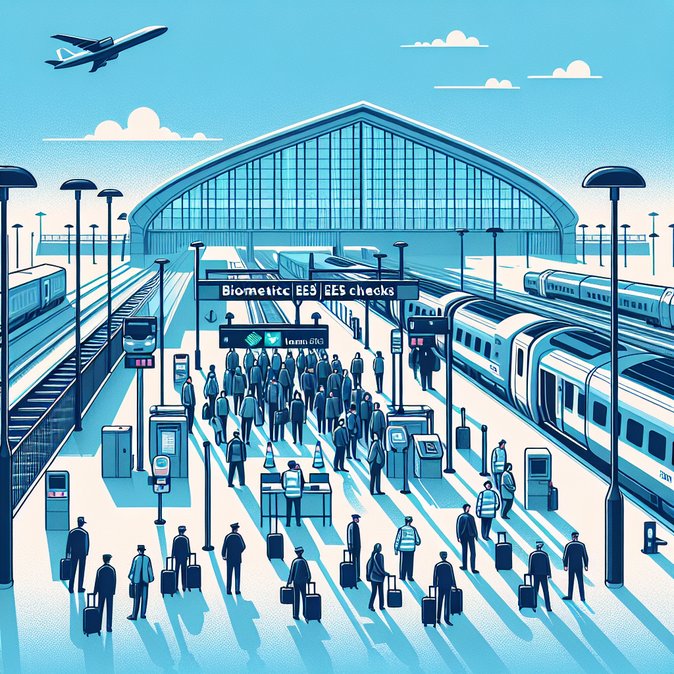
Under EU law, all non-EU visitors—including British nationals—should from 10 April have their facial image (and in many cases fingerprints) captured on first entry into the Schengen Area, with subsequent entries linked to a digital record to police the 90/180-day rule. Ports across continental Europe have spent months installing biometric kiosks, but France says “technical issues” mean only coach passengers, HGV drivers and a limited number of foot passengers will face EES enrolment in the initial phase. Eurotunnel and ferry operators have welcomed the temporary reprieve, warning that full EES roll-out without additional processing lanes could have added 60–90 minutes to peak-season check-in times. Travel-management companies, however, caution that the grace period may be short-lived and advise business travellers to continue carrying passports with at least three months’ validity beyond their planned exit date. The UK government’s own guidance still urges travellers to build in extra time once biometric recording begins later this spring. Companies moving staff between the UK and continental Europe should keep close watch on carrier updates and consider flexible tickets or rail alternatives during the Easter and summer peaks. Although the delay spares British holiday-makers immediate disruption, it also highlights the lack of a long-term solution for UK residents with French residency cards, who cannot currently use automated e-gates and may still face manual queueing once biometrics are fully enforced.

For travellers who want to stay ahead of these shifting requirements, VisaHQ can offer practical help. Its UK site (https://www.visahq.com/united-kingdom/) provides real-time visa and passport guidance, bespoke alerts and application support, making it easier for holiday-makers and corporate road-warriors alike to navigate the new biometric rules once they finally take effect.
Under EU law, all non-EU visitors—including British nationals—should from 10 April have their facial image (and in many cases fingerprints) captured on first entry into the Schengen Area, with subsequent entries linked to a digital record to police the 90/180-day rule. Ports across continental Europe have spent months installing biometric kiosks, but France says “technical issues” mean only coach passengers, HGV drivers and a limited number of foot passengers will face EES enrolment in the initial phase. Eurotunnel and ferry operators have welcomed the temporary reprieve, warning that full EES roll-out without additional processing lanes could have added 60–90 minutes to peak-season check-in times. Travel-management companies, however, caution that the grace period may be short-lived and advise business travellers to continue carrying passports with at least three months’ validity beyond their planned exit date. The UK government’s own guidance still urges travellers to build in extra time once biometric recording begins later this spring. Companies moving staff between the UK and continental Europe should keep close watch on carrier updates and consider flexible tickets or rail alternatives during the Easter and summer peaks. Although the delay spares British holiday-makers immediate disruption, it also highlights the lack of a long-term solution for UK residents with French residency cards, who cannot currently use automated e-gates and may still face manual queueing once biometrics are fully enforced.