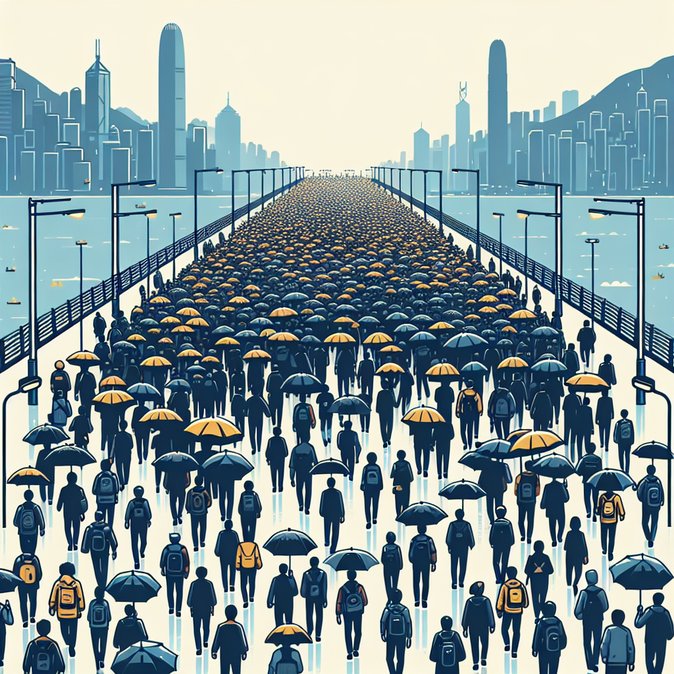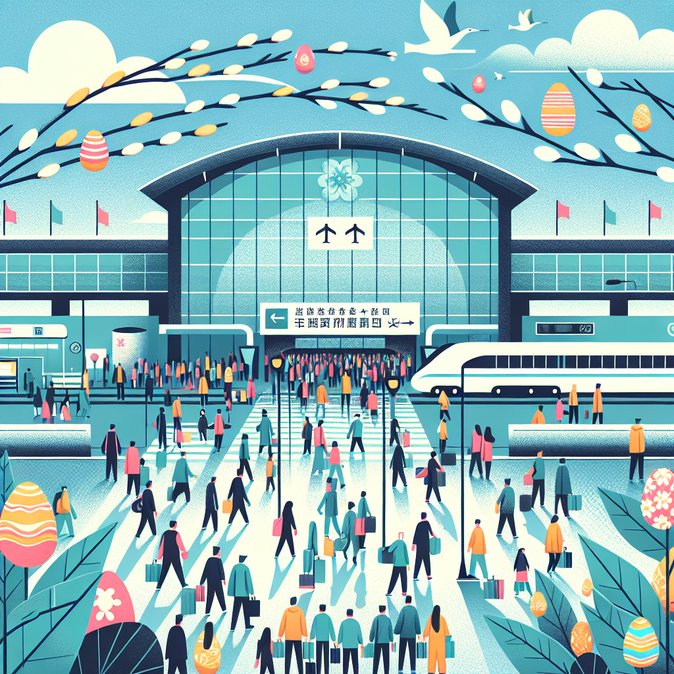
Hong Kong’s Immigration Department recorded more than 1.102 million passenger movements on 3 April, the first day of the five-day Easter / Qingming holiday – almost double the Good Friday total in 2025 and the highest single-day figure since the city scrapped COVID restrictions. Of that total, 770,000 were departures, with 685,000 made by local residents heading mainly for neighbouring Guangdong.
![Holiday exodus: 1.1 million border crossings on first day of Easter-Qingming break]()
If you’re lining up for similar cross-border trips and need help securing the right paperwork, VisaHQ’s Hong Kong portal (https://www.visahq.com/hong-kong/) can fast-track visa applications for mainland China and dozens of other destinations, letting travellers sidestep embassy queues and focus on snagging train seats instead.
Land checkpoints bore the brunt. Lo Wu processed 153,000 travellers, followed by Lok Ma Chau Spur Line (134,000) and Shenzhen Bay (117,000). West Kowloon high-speed-rail station was so busy that queues formed before sunrise, while MTR added extra trains on the East Rail Line. Travel agencies said demand for high-speed-rail tours into the mainland is up 30 per cent year-on-year as airfare fuel surcharges and Middle-East conflict premiums keep long-haul ticket prices high. The surge coincides with growing adoption of the Southbound and Northbound Vehicle Schemes, which allow private cars to cross the border without a mainland plate. Shenzhen authorities responded by extending e-channel operating hours and deploying additional customs officers in anticipation of Sunday’s projected outbound peak of 712,000. For mobility managers the figures signal that Hong Kong’s land borders have fully normalised – but also that congestion risk is back. Corporations running shuttle services to Shenzhen tech parks are advising staff to travel outside morning peaks or use the Hong Kong-Zhuhai-Macao Bridge to avoid Lo Wu bottlenecks. Travel insurers remind policyholders that once queues exceed two hours, delay coverage – not medical claims – becomes the top holiday-week payout. Immigration officials say a post-holiday debrief will examine whether to expand facial-recognition e-channel capacity before the 1 May Labour Day rush, when a second wave of outbound leisure travel is expected.
If you’re lining up for similar cross-border trips and need help securing the right paperwork, VisaHQ’s Hong Kong portal (https://www.visahq.com/hong-kong/) can fast-track visa applications for mainland China and dozens of other destinations, letting travellers sidestep embassy queues and focus on snagging train seats instead.
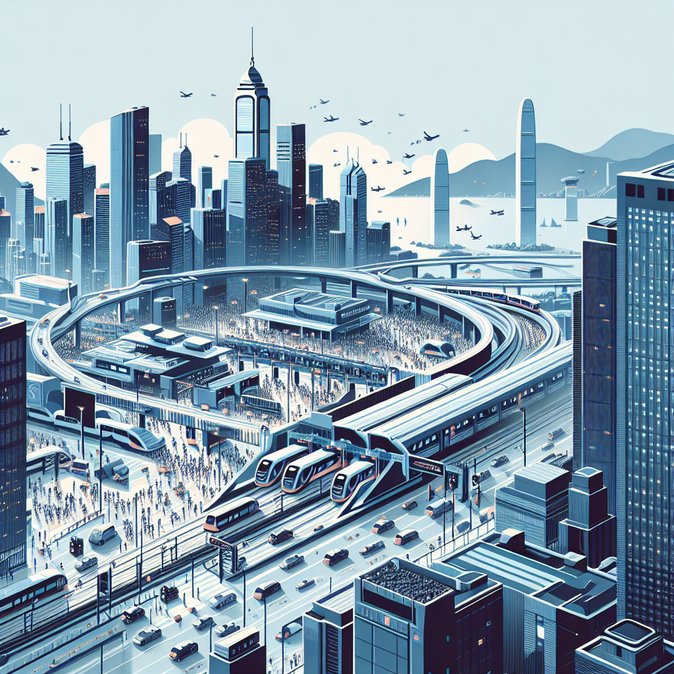
Land checkpoints bore the brunt. Lo Wu processed 153,000 travellers, followed by Lok Ma Chau Spur Line (134,000) and Shenzhen Bay (117,000). West Kowloon high-speed-rail station was so busy that queues formed before sunrise, while MTR added extra trains on the East Rail Line. Travel agencies said demand for high-speed-rail tours into the mainland is up 30 per cent year-on-year as airfare fuel surcharges and Middle-East conflict premiums keep long-haul ticket prices high. The surge coincides with growing adoption of the Southbound and Northbound Vehicle Schemes, which allow private cars to cross the border without a mainland plate. Shenzhen authorities responded by extending e-channel operating hours and deploying additional customs officers in anticipation of Sunday’s projected outbound peak of 712,000. For mobility managers the figures signal that Hong Kong’s land borders have fully normalised – but also that congestion risk is back. Corporations running shuttle services to Shenzhen tech parks are advising staff to travel outside morning peaks or use the Hong Kong-Zhuhai-Macao Bridge to avoid Lo Wu bottlenecks. Travel insurers remind policyholders that once queues exceed two hours, delay coverage – not medical claims – becomes the top holiday-week payout. Immigration officials say a post-holiday debrief will examine whether to expand facial-recognition e-channel capacity before the 1 May Labour Day rush, when a second wave of outbound leisure travel is expected.