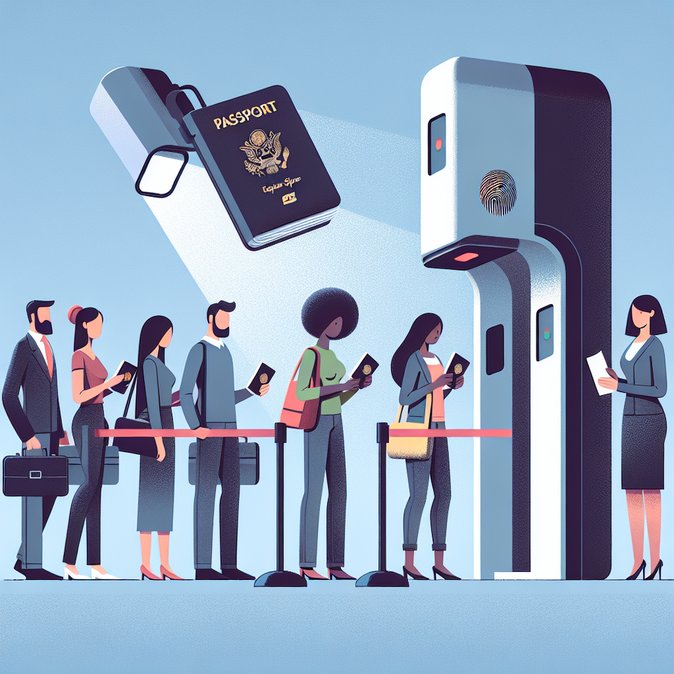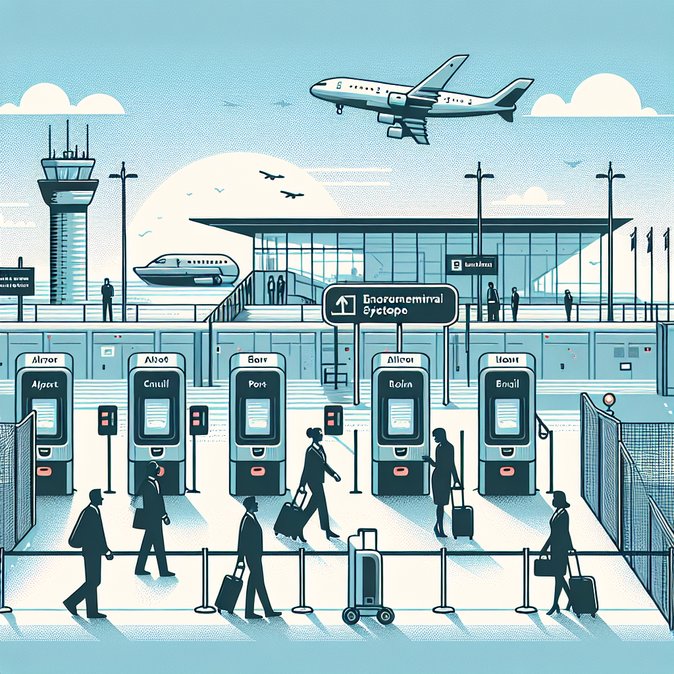
French weekly Le Point has published a practical guide to the sweeping changes travellers will face once the EU’s Entry/Exit System becomes fully operational on 10 April. The article lists every French airport, seaport and rail terminal already equipped with self-service biometric kiosks—including Roissy-Charles-de-Gaulle, Orly, Lyon Part-Dieu, Eurostar terminals and Channel-ferry ports such as Calais and Dunkirk. From 10 April, third-country nationals—including Britons, Americans and Australians—must enrol fingerprints and a facial image on their first visit, replacing manual stamps.
![EES countdown: What changes at French borders from 10 April]()
Travellers who want personalised assistance ahead of these changes can turn to VisaHQ, whose online platform guides users through Europe’s evolving border controls and helps clarify documentation needs well before departure; full details are available at https://www.visahq.com/france/
The process should take about one minute at automated gates, but Le Point warns of "learning-curve delays" and urges passengers to complete airline-side pre-registration apps where available. The guide also reminds travellers that the linked ETIAS travel-authorisation system will follow later in 2026. Mobility practitioners should therefore revise communications twice: once now for EES and again before ETIAS goes live, ensuring staff understand fee requirements and 90/180-day calculations. Le Point’s checklist includes tips for families (children under 12 are exempt from fingerprinting), advice on using PARAFE e-gates and a note that manual lanes will remain open for those unable to register biometrics. Corporations should cascade the list of equipped border points so that employees can choose routes with proven kiosk performance and avoid peak-hour congestion.

Travellers who want personalised assistance ahead of these changes can turn to VisaHQ, whose online platform guides users through Europe’s evolving border controls and helps clarify documentation needs well before departure; full details are available at https://www.visahq.com/france/
The process should take about one minute at automated gates, but Le Point warns of "learning-curve delays" and urges passengers to complete airline-side pre-registration apps where available. The guide also reminds travellers that the linked ETIAS travel-authorisation system will follow later in 2026. Mobility practitioners should therefore revise communications twice: once now for EES and again before ETIAS goes live, ensuring staff understand fee requirements and 90/180-day calculations. Le Point’s checklist includes tips for families (children under 12 are exempt from fingerprinting), advice on using PARAFE e-gates and a note that manual lanes will remain open for those unable to register biometrics. Corporations should cascade the list of equipped border points so that employees can choose routes with proven kiosk performance and avoid peak-hour congestion.