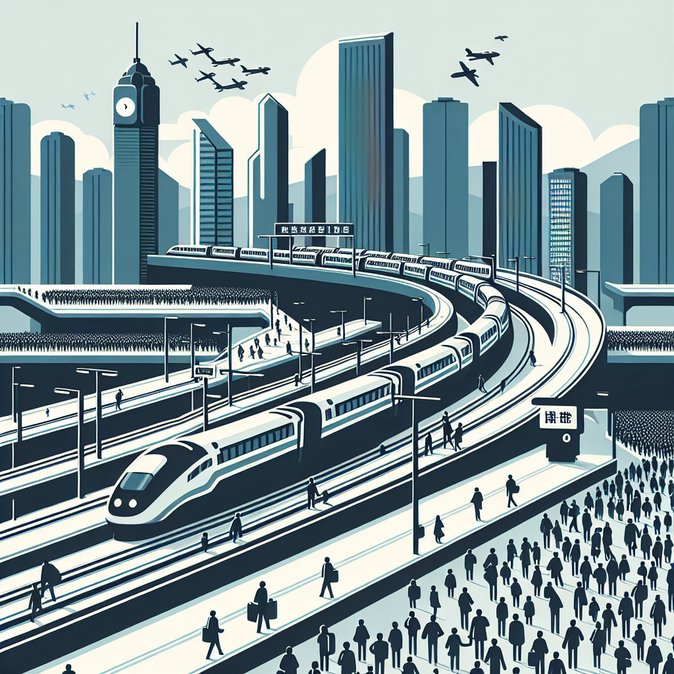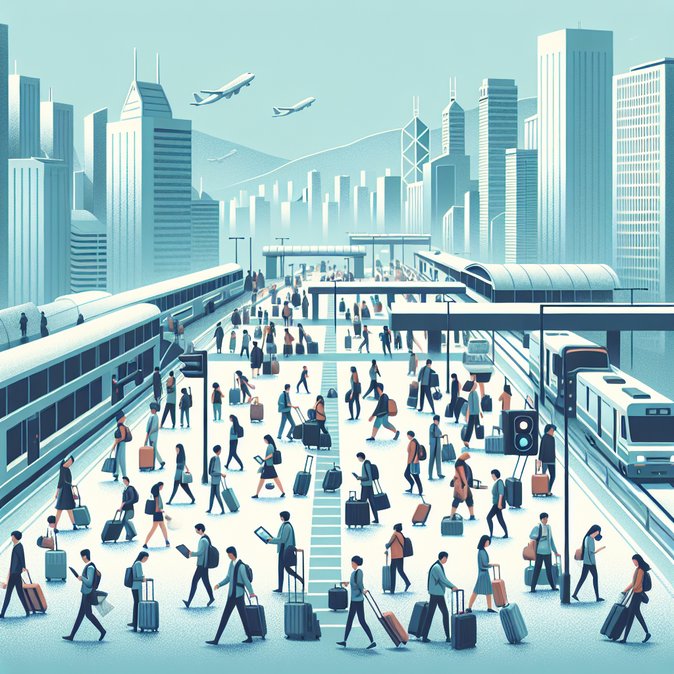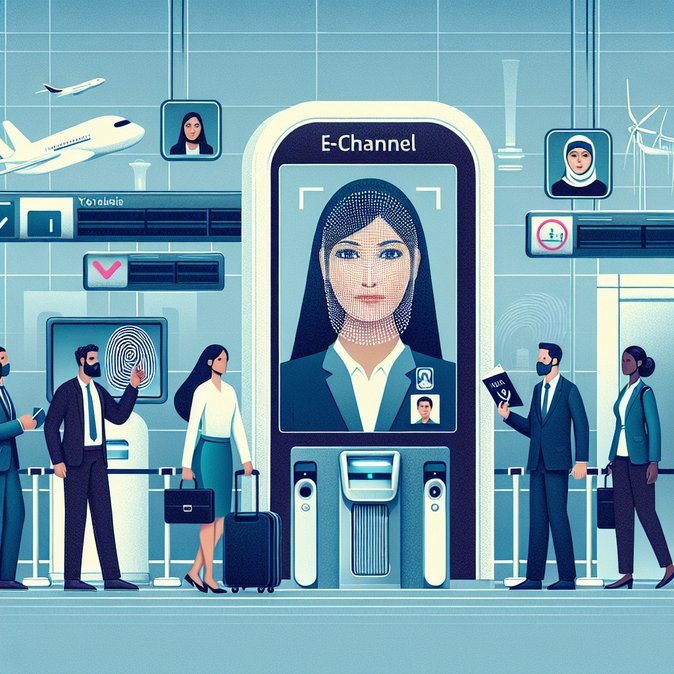
Hong Kong International Airport (HKIA) has switched on 12 additional Face Easy e-Channels, bringing the arrival concourse total to 26 and sharply expanding the city’s fully touch-less immigration capacity. Unlike traditional e-Channels that require an ID-card swipe and fingerprint check, the upgraded lanes authenticate travellers solely through facial recognition. Once the gate opens, clearance takes under seven seconds—around a third of the legacy process. The Immigration Department says the roll-out will continue in phases until 2027, when 52 biometric lanes will replace all ageing kiosks.
![Hong Kong airport adds 12 new face-scan e-Channels to speed immigration]()
For organisations coordinating frequent trips through HKIA, specialist services like VisaHQ can streamline the visa side of the journey. Their online portal (https://www.visahq.com/hong-kong/) walks applicants through Hong Kong employment, dependant and business visa requirements, freeing travel managers to focus on flight bookings and biometric enrolment logistics.
With passenger throughput at HKIA rebounding to 61 million in 2025, automation is critical to keeping corporate travellers moving: peak-hour queues dropped by an average of 18 minutes after the first batch of lanes went live last September. Employers with frequent-flyer staff should ensure workers update their smart ID cards and consent to facial-image use; holders of valid dependants’ and employment visas are automatically eligible. The technology will be integrated with One-ID boarding later this year, allowing end-to-end curb-to-gate processing without paper documents. Privacy concerns remain subdued—Hong Kong’s Personal Data Privacy Commissioner reports no complaints linked to the system so far—but companies may wish to update internal travel policies to reflect biometric opt-out options for sensitive assignments.
For organisations coordinating frequent trips through HKIA, specialist services like VisaHQ can streamline the visa side of the journey. Their online portal (https://www.visahq.com/hong-kong/) walks applicants through Hong Kong employment, dependant and business visa requirements, freeing travel managers to focus on flight bookings and biometric enrolment logistics.
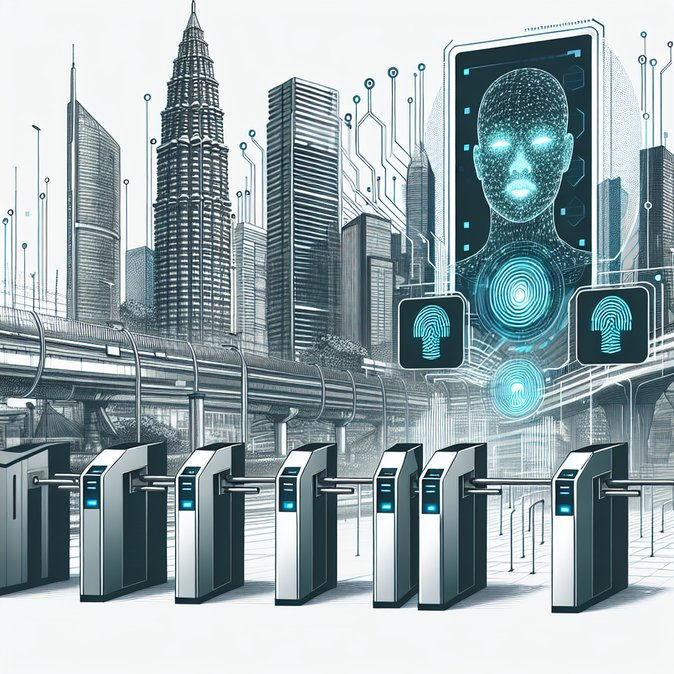
With passenger throughput at HKIA rebounding to 61 million in 2025, automation is critical to keeping corporate travellers moving: peak-hour queues dropped by an average of 18 minutes after the first batch of lanes went live last September. Employers with frequent-flyer staff should ensure workers update their smart ID cards and consent to facial-image use; holders of valid dependants’ and employment visas are automatically eligible. The technology will be integrated with One-ID boarding later this year, allowing end-to-end curb-to-gate processing without paper documents. Privacy concerns remain subdued—Hong Kong’s Personal Data Privacy Commissioner reports no complaints linked to the system so far—but companies may wish to update internal travel policies to reflect biometric opt-out options for sensitive assignments.