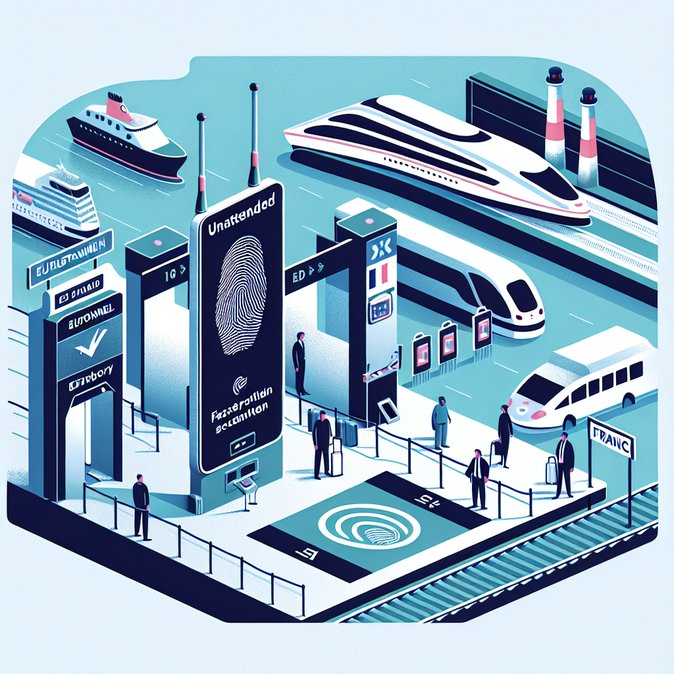
With less than a week to go, the French Interior Ministry is urging travellers to build extra buffer time into their itineraries as the EU Entry/Exit System (EES) moves from pilot to **100 % live mode** on 10 April. An investigative piece in *Le Point* details how France has installed self-service registration kiosks at **airports, seaports and rail terminals** from Paris-CDG and Nice to the Gare du Nord Eurostar lounge . EES replaces the traditional passport stamp for non-EU nationals with a digital record that stores biographical data, a facial image and four fingerprints for up to five years.
![France Warns of Longer Queues as EES Goes Fully Live at 120 Border Points on 10 April]()
Travellers looking for personalised guidance on the new EES formalities—as well as future requirements like ETIAS—can turn to VisaHQ. The platform’s France portal (https://www.visahq.com/france/) offers step-by-step checklists, real-time document review and optional courier handling, helping both leisure visitors and corporate mobility teams avoid last-minute surprises at the kiosk.
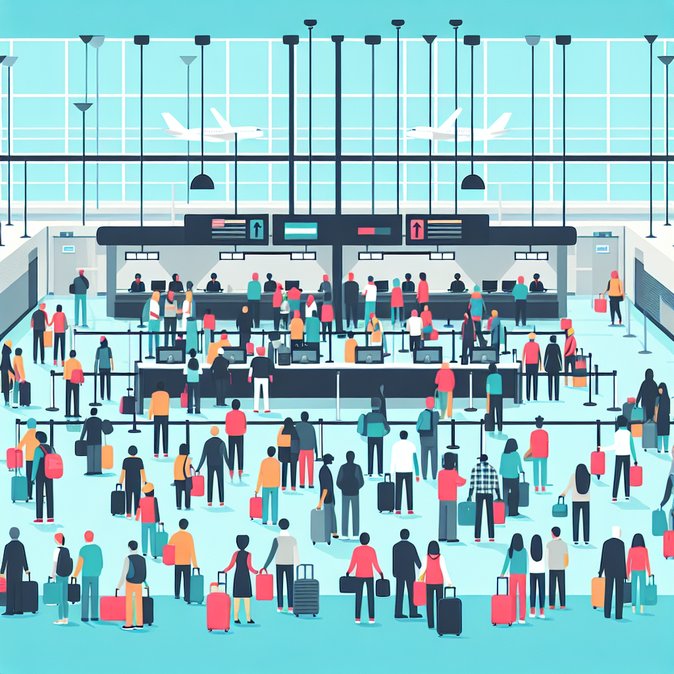
The system started limited service last October but was deliberately paused during the 2024 Olympic Games. From next week every non-EU traveller—including Britons and Americans—must enrol on first entry, then validate the profile on each subsequent trip. French airports fear space constraints: Grenoble airport had to convert a car park into a temporary holding pen during a winter-sport surge test . Union des Aéroports Français warns that peak-season queues could spill back into landside areas unless travellers arrive **two hours** before departure for intra-Schengen trains and ferries, and **three hours** for long-haul flights. Affected companies are advising posted workers to keep print-outs of assignment letters and local HR contacts in case of interviews at the kiosk or with border police. The Interior Ministry says the April launch is “not negotiable” but promises a three-month “discretionary tolerance” allowing officers to waive biometric capture if queues exceed safety thresholds. That grace period will still leave gaps in data consistency; global mobility teams should therefore audit travel histories carefully when counting Schengen days. Beyond 2026 the same kiosks will be leveraged for **ETIAS**, the EU travel-authorisation that will apply to visa-exempt nationalities. Employers are encouraged to budget for integrating ETIAS status checks into booking flows well ahead of the expected late-year go-live.

Travellers looking for personalised guidance on the new EES formalities—as well as future requirements like ETIAS—can turn to VisaHQ. The platform’s France portal (https://www.visahq.com/france/) offers step-by-step checklists, real-time document review and optional courier handling, helping both leisure visitors and corporate mobility teams avoid last-minute surprises at the kiosk.
The system started limited service last October but was deliberately paused during the 2024 Olympic Games. From next week every non-EU traveller—including Britons and Americans—must enrol on first entry, then validate the profile on each subsequent trip. French airports fear space constraints: Grenoble airport had to convert a car park into a temporary holding pen during a winter-sport surge test . Union des Aéroports Français warns that peak-season queues could spill back into landside areas unless travellers arrive **two hours** before departure for intra-Schengen trains and ferries, and **three hours** for long-haul flights. Affected companies are advising posted workers to keep print-outs of assignment letters and local HR contacts in case of interviews at the kiosk or with border police. The Interior Ministry says the April launch is “not negotiable” but promises a three-month “discretionary tolerance” allowing officers to waive biometric capture if queues exceed safety thresholds. That grace period will still leave gaps in data consistency; global mobility teams should therefore audit travel histories carefully when counting Schengen days. Beyond 2026 the same kiosks will be leveraged for **ETIAS**, the EU travel-authorisation that will apply to visa-exempt nationalities. Employers are encouraged to budget for integrating ETIAS status checks into booking flows well ahead of the expected late-year go-live.