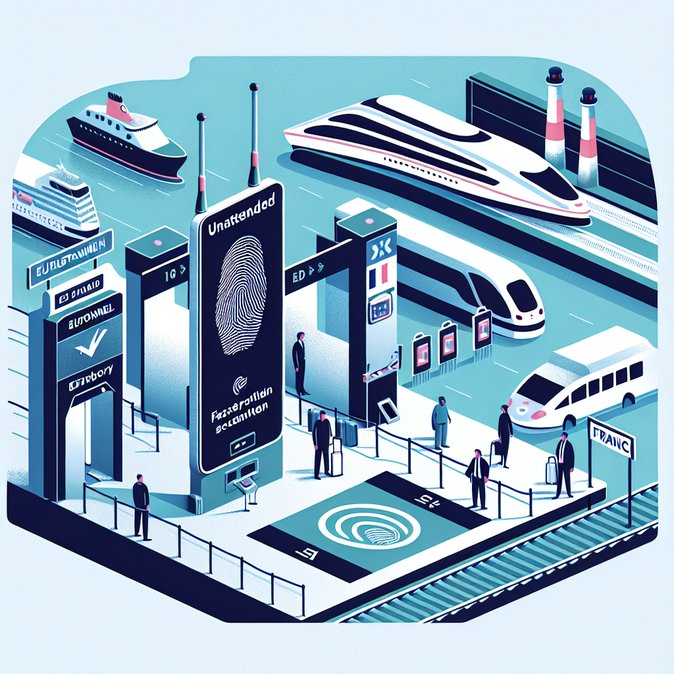
Cross-Channel passengers breathed a collective sigh of relief on 4 April when French authorities confirmed that the final biometric stage of the EU’s Entry/Exit System (EES) will **not** be activated at UK–France juxtaposed controls in Folkestone, Dover or London St-Pancras in time for the 10 April EU deadline. According to port and rail operators, France has still not delivered the tablets and fingerprint scanners needed to collect facial images and four-fingerprints at the frontier. Until the equipment is installed and stress-tested, border guards will continue to wet-stamp passports and create manual EES files instead.
![Biometric Checks Postponed for Eurostar and Eurotunnel Passengers as France Misses EES Deadline]()
For companies looking to get ahead of looming rule changes, VisaHQ can shoulder much of the paperwork burden: its dedicated France page (https://www.visahq.com/france/) offers real-time Schengen updates, business-travel visa solutions and traveller-tracking tools that integrate easily with corporate booking systems—helping mobility teams stay compliant even as EES and ETIAS dates shift.
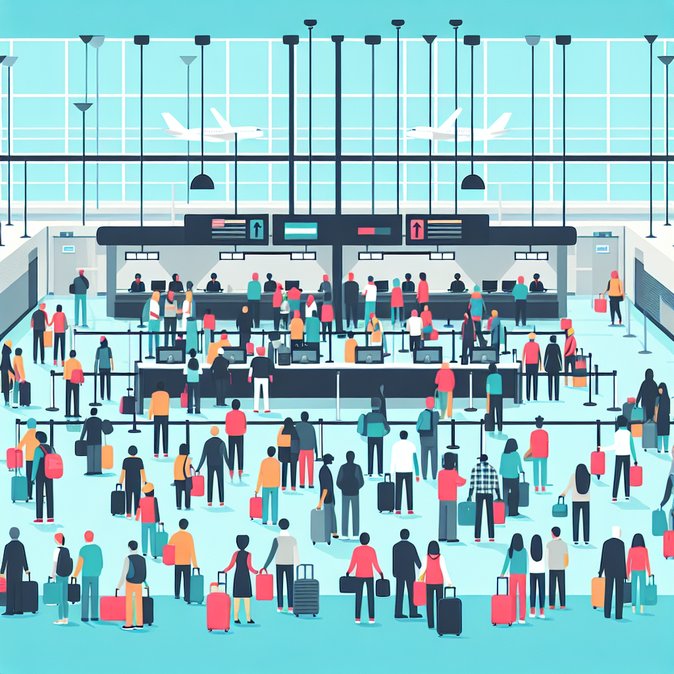
The reprieve averts the Easter-weekend meltdown feared by airlines and ports, which warned Brussels that un-tested kiosks could add **two to four hours** to queue times for non-EU travellers. Getlink, owner of Eurotunnel, has already spent £60 million on biometric kiosks; Eurostar another £10 million, but both systems remain moth-balled pending French certification. Operators insist they are ready to switch on “as soon as Police aux Frontières give the green light.” Behind the scenes, Paris is struggling with a compressed rollout calendar. After delaying EES until after the 2024 Olympics, France must now equip **120 border sites** in just six months. Aviation trade body A4E and airport group ACI Europe say the technology is “not yet stable”, urging the Commission to allow phased implementation well into the summer peak. For corporate mobility managers, the news buys time but not certainty. UK business travellers and assignees will still need to plan for the **90/180-day** Schengen limit, but they can postpone the extra biometric step—at least for rail and car crossings—until later this year. HR teams should, however, brief staff using Paris-CDG, Nice or Lyon airports that full EES capture **is** already in force at many French terminals, and to arrive early during peak periods. Looking further ahead, the EES delay also pushes back the linked ETIAS travel-authorisation scheme, now pencilled in for **late 2026**. Multinationals should budget for new compliance tools—data-feeds from travel management companies, mobile enrolment apps and kiosk-integration projects—once France finally flips the switch.

For companies looking to get ahead of looming rule changes, VisaHQ can shoulder much of the paperwork burden: its dedicated France page (https://www.visahq.com/france/) offers real-time Schengen updates, business-travel visa solutions and traveller-tracking tools that integrate easily with corporate booking systems—helping mobility teams stay compliant even as EES and ETIAS dates shift.
The reprieve averts the Easter-weekend meltdown feared by airlines and ports, which warned Brussels that un-tested kiosks could add **two to four hours** to queue times for non-EU travellers. Getlink, owner of Eurotunnel, has already spent £60 million on biometric kiosks; Eurostar another £10 million, but both systems remain moth-balled pending French certification. Operators insist they are ready to switch on “as soon as Police aux Frontières give the green light.” Behind the scenes, Paris is struggling with a compressed rollout calendar. After delaying EES until after the 2024 Olympics, France must now equip **120 border sites** in just six months. Aviation trade body A4E and airport group ACI Europe say the technology is “not yet stable”, urging the Commission to allow phased implementation well into the summer peak. For corporate mobility managers, the news buys time but not certainty. UK business travellers and assignees will still need to plan for the **90/180-day** Schengen limit, but they can postpone the extra biometric step—at least for rail and car crossings—until later this year. HR teams should, however, brief staff using Paris-CDG, Nice or Lyon airports that full EES capture **is** already in force at many French terminals, and to arrive early during peak periods. Looking further ahead, the EES delay also pushes back the linked ETIAS travel-authorisation scheme, now pencilled in for **late 2026**. Multinationals should budget for new compliance tools—data-feeds from travel management companies, mobile enrolment apps and kiosk-integration projects—once France finally flips the switch.