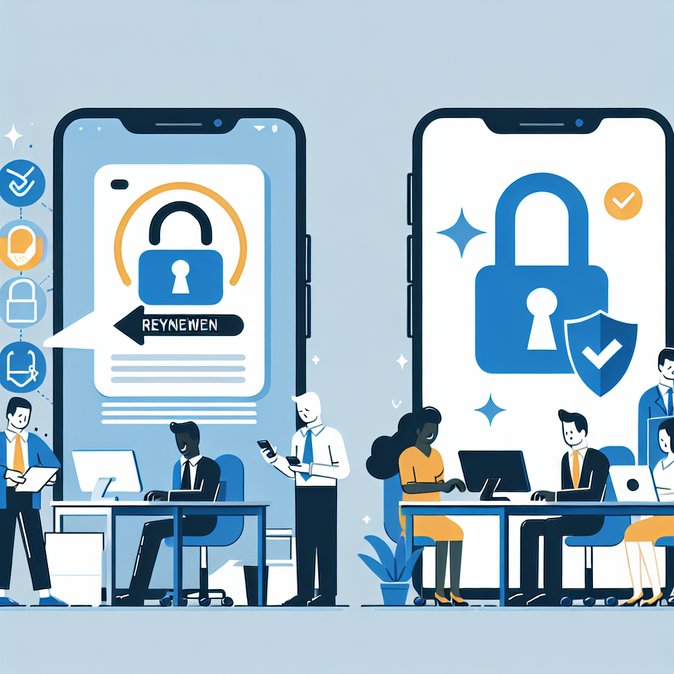
Austria’s Landeskriminalamt Vorarlberg has issued an urgent public warning after uncovering a wave of phishing attacks aimed at residents who must renew their “ID-Austria” digital identity in the coming weeks. More than 10 000 certificates in the western province will lapse this spring, and criminals are sending SMS messages that mimic official renewal reminders. Victims are lured to a fake government portal where they are asked to re-enter personal data and download remote-access software. Investigators confirmed two successful frauds with losses in the five-figure euro range and a third attempt that was foiled at the last minute. ID-Austria—formerly “Handy-Signatur”—has become the indispensable gateway for both citizens and foreign residents to access FinanzOnline, social-insurance portals, and dozens of immigration-related e-government services. Multinational companies use it to file payroll taxes for posted workers and to enrol new hires in Austria’s health system. Any interruption can jeopardise salary payments or residence-permit renewals, making expats a prime target for scammers.
![Austrian police warn of sophisticated ‘ID-Austria’ phishing scam as thousands of digital IDs near expiry]()
For individuals and corporate mobility managers seeking to avoid such pitfalls, VisaHQ offers a streamlined way to monitor document expiry dates and coordinate renewals well in advance. Through its Austria-focused portal (https://www.visahq.com/austria/), the platform provides step-by-step guidance on visas, residence permits and related digital-ID requirements, reducing the risk of last-minute scrambles that scammers so often exploit.
The police urge users to double-check sender addresses, ignore unsolicited links, and never install remote-access tools at someone else’s request. Genuine reminders are dispatched only via the official “Digitales Amt” app or through the secure government mail service (BRZ-Mail). Companies with large foreign workforces are advised to circulate the official helpline (+43 50 233 770) and schedule renewals early, as appointment slots at district authorities are already scarce in major provinces. For global-mobility teams the incident is a reminder that cybersecurity now sits squarely in the immigration-compliance toolbox. A hacked ID-Austria credential could allow criminals to file fraudulent tax returns, obtain residence documents, or change company registers—actions that ultimately expose employers to liability. Best practice is to add multi-factor authentication, run regular awareness campaigns in English and German, and include ID-Austria renewal tracking in assignment-management systems.

For individuals and corporate mobility managers seeking to avoid such pitfalls, VisaHQ offers a streamlined way to monitor document expiry dates and coordinate renewals well in advance. Through its Austria-focused portal (https://www.visahq.com/austria/), the platform provides step-by-step guidance on visas, residence permits and related digital-ID requirements, reducing the risk of last-minute scrambles that scammers so often exploit.
The police urge users to double-check sender addresses, ignore unsolicited links, and never install remote-access tools at someone else’s request. Genuine reminders are dispatched only via the official “Digitales Amt” app or through the secure government mail service (BRZ-Mail). Companies with large foreign workforces are advised to circulate the official helpline (+43 50 233 770) and schedule renewals early, as appointment slots at district authorities are already scarce in major provinces. For global-mobility teams the incident is a reminder that cybersecurity now sits squarely in the immigration-compliance toolbox. A hacked ID-Austria credential could allow criminals to file fraudulent tax returns, obtain residence documents, or change company registers—actions that ultimately expose employers to liability. Best practice is to add multi-factor authentication, run regular awareness campaigns in English and German, and include ID-Austria renewal tracking in assignment-management systems.