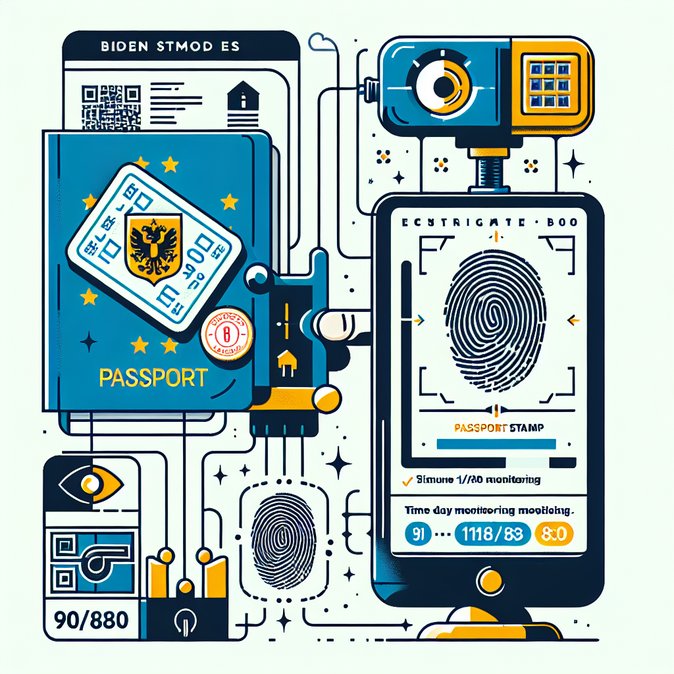
From 10 April the European Union’s long-awaited Entry/Exit System (EES) will replace manual passport stamping for non-EU short-stay visitors entering the Schengen Area, including through Italy’s airports, seaports and land borders. The new platform, managed by EU-LISA, records travellers’ facial images, fingerprints and travel-document data, creating an automatic log of each entry and exit against the 90-days-in-180 limit. For business travellers and global-mobility teams, the immediate implication is longer processing times during the first months as Italian border police familiarise themselves with biometric kiosks and travellers adjust to self-service enrolment. Carriers flying into Rome-Fiumicino and Milan-Malpensa have warned of potential queue buildups at peak periods and recommend arriving at least 30 minutes earlier than before.
![EU Biometric Entry/Exit System Goes Live 10 April: What Travellers to Italy Must Know]()
For travellers and mobility managers seeking extra support navigating these changes, VisaHQ can help. The company’s portal (https://www.visahq.com/italy/) aggregates the latest information on Italian entry rules, offers step-by-step visa and ETIAS guidance, and provides dedicated customer service so organisations can keep staff compliant while minimising travel disruption.
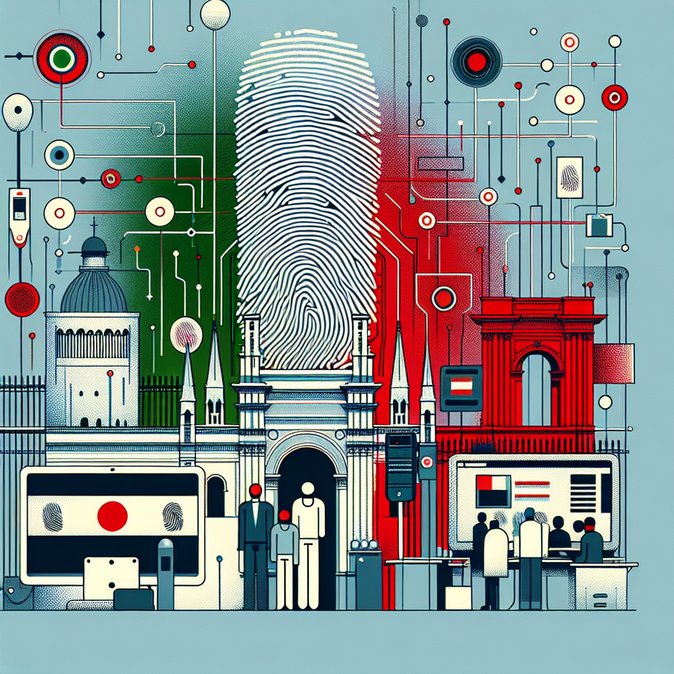
The system also tightens compliance because overstays will trigger automated alerts shared across all 29 Schengen members. Corporations sponsoring frequent-flyer employees or rotating contractors should therefore enhance travel-tracking tools and remind non-EU staff that day-trips count toward their 90-day allowance. Failure to observe limits could lead to multi-year re-entry bans recorded instantly in the EES. Italy’s Interior Ministry has installed more than 500 e-gates and deployed additional personnel at Rome, Milan, Venice and Bologna, but smaller regional airports may still rely on mobile biometric units, increasing wait-time variability. Mobility managers can mitigate disruption by staggering arrival patterns, booking connecting flights via less-busy hubs, and ensuring travellers carry printed proof of onward itineraries should officers wish to verify purpose of stay. Long term, the EES lays the groundwork for ETIAS—the electronic travel authorisation that will become mandatory for visa-exempt nationals in 2027. Companies operating pan-European mobility programmes should budget for the €7 ETIAS fee per traveller, harmonise data-privacy policies to handle biometric information and update employee-handbooks well ahead of the next compliance deadline.
For travellers and mobility managers seeking extra support navigating these changes, VisaHQ can help. The company’s portal (https://www.visahq.com/italy/) aggregates the latest information on Italian entry rules, offers step-by-step visa and ETIAS guidance, and provides dedicated customer service so organisations can keep staff compliant while minimising travel disruption.
The system also tightens compliance because overstays will trigger automated alerts shared across all 29 Schengen members. Corporations sponsoring frequent-flyer employees or rotating contractors should therefore enhance travel-tracking tools and remind non-EU staff that day-trips count toward their 90-day allowance. Failure to observe limits could lead to multi-year re-entry bans recorded instantly in the EES. Italy’s Interior Ministry has installed more than 500 e-gates and deployed additional personnel at Rome, Milan, Venice and Bologna, but smaller regional airports may still rely on mobile biometric units, increasing wait-time variability. Mobility managers can mitigate disruption by staggering arrival patterns, booking connecting flights via less-busy hubs, and ensuring travellers carry printed proof of onward itineraries should officers wish to verify purpose of stay. Long term, the EES lays the groundwork for ETIAS—the electronic travel authorisation that will become mandatory for visa-exempt nationals in 2027. Companies operating pan-European mobility programmes should budget for the €7 ETIAS fee per traveller, harmonise data-privacy policies to handle biometric information and update employee-handbooks well ahead of the next compliance deadline.