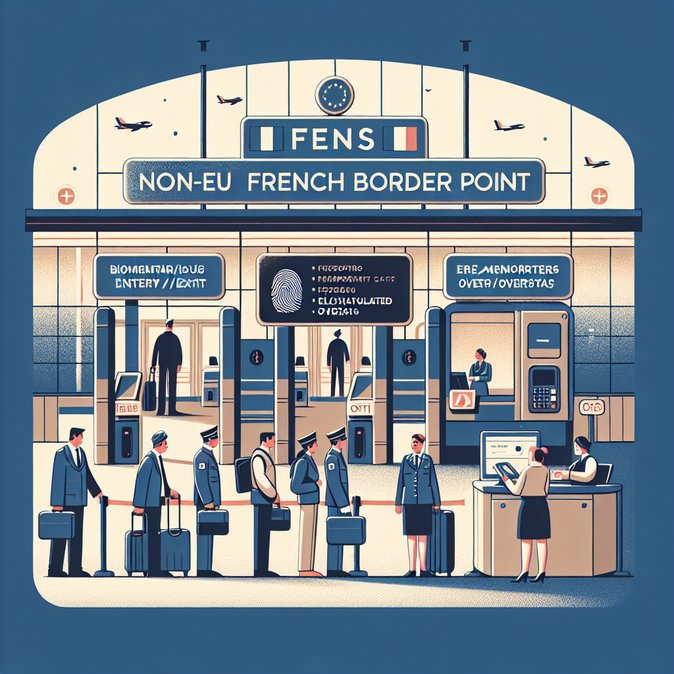
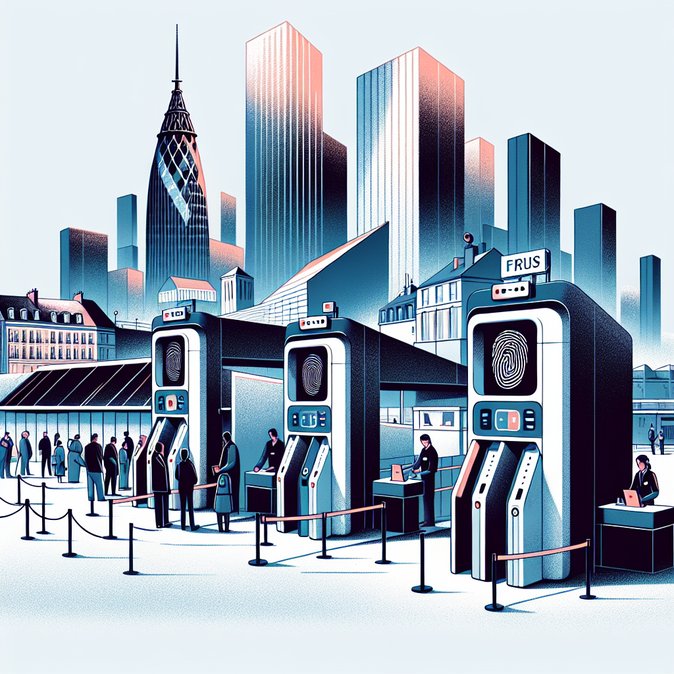
From 10 April 2026 France and its Schengen partners will switch off passport stamps and switch on full biometric border control under the EU Entry/Exit System (EES). The move, confirmed this week by the European Commission, affects all non-EU short-stay visitors—including Britons, Americans, Indians and Australians—arriving at French airports, ports, and the Channel Tunnel. Travellers will have their passport scanned, four fingerprints and a facial image captured, and an electronic record created showing the exact amount of visa-free stay remaining. The EES replaces manually stamped passports that often left overstay detection to chance. Carriers welcome the digital audit trail but warn of longer queues during the bedding-in period; French ports, Eurotunnel and the police aux frontières have already requested extra kiosks and staffing. A French interior-ministry source says manual back-up procedures will remain in place for cars at Dover and Le Shuttle during the first weeks and that biometrics could be waived temporarily if congestion spikes.
![Schengen Entry/Exit System Enters Final Phase—What French Travellers Need to Know]()
For those unsure how the switch will affect their own travel patterns, VisaHQ can help. Its France portal (https://www.visahq.com/france/) offers day-count calculators, real-time Schengen overstay alerts and fast processing of French work visas and “Talent Passports,” giving both individual travellers and corporate mobility teams a single dashboard to stay compliant under EES.
For business travellers the biggest change is precision: each entry and exit will be clocked to the minute, so “90/180-day rule” breaches will trigger automatic alerts. Mobility teams should audit Schengen travel histories and, where necessary, file work-permit or “Talent Passport” applications before the 90-day threshold is reached. Frequent corporate flyers may benefit from enrolling in PARAFE fast-track lanes once the system is integrated. The EES is also the technical prerequisite for ETIAS, the €7 travel authorisation that the EU plans to launch in late 2026. French travel industry bodies say mastering EES now will prevent a repeat of last summer’s multi-hour bottlenecks at the Port of Calais, but they are lobbying for phased enforcement and real-time queue transparency tools.
For those unsure how the switch will affect their own travel patterns, VisaHQ can help. Its France portal (https://www.visahq.com/france/) offers day-count calculators, real-time Schengen overstay alerts and fast processing of French work visas and “Talent Passports,” giving both individual travellers and corporate mobility teams a single dashboard to stay compliant under EES.
For business travellers the biggest change is precision: each entry and exit will be clocked to the minute, so “90/180-day rule” breaches will trigger automatic alerts. Mobility teams should audit Schengen travel histories and, where necessary, file work-permit or “Talent Passport” applications before the 90-day threshold is reached. Frequent corporate flyers may benefit from enrolling in PARAFE fast-track lanes once the system is integrated. The EES is also the technical prerequisite for ETIAS, the €7 travel authorisation that the EU plans to launch in late 2026. French travel industry bodies say mastering EES now will prevent a repeat of last summer’s multi-hour bottlenecks at the Port of Calais, but they are lobbying for phased enforcement and real-time queue transparency tools.