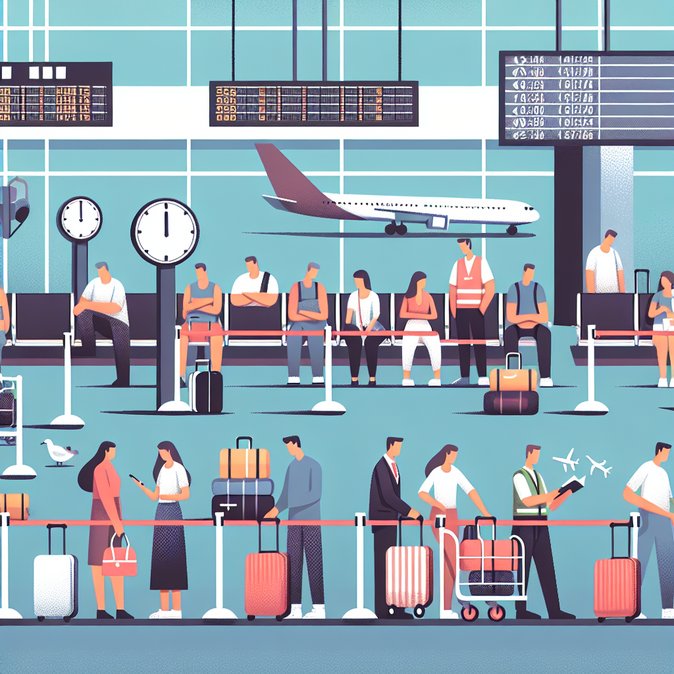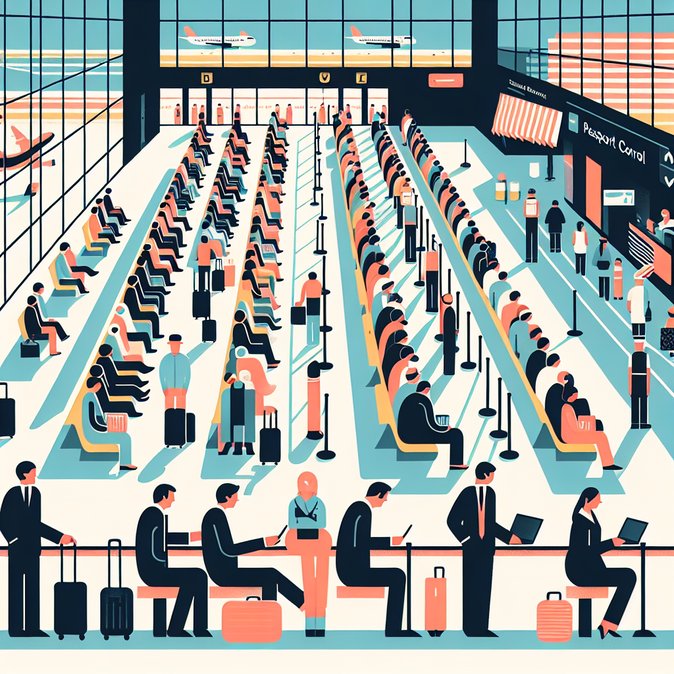
Flemish Minister-President Matthias Diependaele has demanded swift federal action after passport-control delays at Brussels Airport again left passengers waiting up to two hours and missing departures on 2 April. In a public statement he described the situation as “unacceptable”, stressing that Zaventem is a “crucial gateway to Europe” and warning that reputational damage could drive airlines and investors elsewhere.
![Flemish Minister slams ‘unacceptable’ passport-control delays at Brussels hub]()
Amid these uncertainties, travelers can streamline at least part of their journey by preparing documentation in advance; online services such as VisaHQ (https://www.visahq.com/belgium/) offer step-by-step assistance with Belgian and Schengen visa applications, passport renewals and transit requirements, helping passengers avoid further delays once they finally reach the front of the queue.
Diependaele blames chronic understaffing of the federal police, compounded by the complex procedures introduced under the EU Entry/Exit System. He has urged Interior Minister Bernard Quintin to deploy an emergency staffing plan before the Easter peak and to explore temporary waivers for biometric checks. A parliamentary briefing is expected later today. The minister’s intervention adds political heat to an operational crisis that has already prompted Belgium to pause biometric data collection (see separate story). Business associations welcomed the call, noting that Belgium’s export-oriented economy relies on predictable hub connectivity for executives and just-in-time cargo. Analysts say Diependaele’s comments highlight Belgium’s split competences: while the Regions control many mobility levers, border policing remains federal. Coordination failures therefore resonate beyond passenger comfort, affecting the country’s image as host to EU institutions and multinational headquarters. Travel-management companies are advising clients to build extra buffer time into itineraries through mid-April and to monitor potential knock-on effects at regional airports in Antwerp, Liège and Charleroi, which may see diverted traffic.

Amid these uncertainties, travelers can streamline at least part of their journey by preparing documentation in advance; online services such as VisaHQ (https://www.visahq.com/belgium/) offer step-by-step assistance with Belgian and Schengen visa applications, passport renewals and transit requirements, helping passengers avoid further delays once they finally reach the front of the queue.
Diependaele blames chronic understaffing of the federal police, compounded by the complex procedures introduced under the EU Entry/Exit System. He has urged Interior Minister Bernard Quintin to deploy an emergency staffing plan before the Easter peak and to explore temporary waivers for biometric checks. A parliamentary briefing is expected later today. The minister’s intervention adds political heat to an operational crisis that has already prompted Belgium to pause biometric data collection (see separate story). Business associations welcomed the call, noting that Belgium’s export-oriented economy relies on predictable hub connectivity for executives and just-in-time cargo. Analysts say Diependaele’s comments highlight Belgium’s split competences: while the Regions control many mobility levers, border policing remains federal. Coordination failures therefore resonate beyond passenger comfort, affecting the country’s image as host to EU institutions and multinational headquarters. Travel-management companies are advising clients to build extra buffer time into itineraries through mid-April and to monitor potential knock-on effects at regional airports in Antwerp, Liège and Charleroi, which may see diverted traffic.