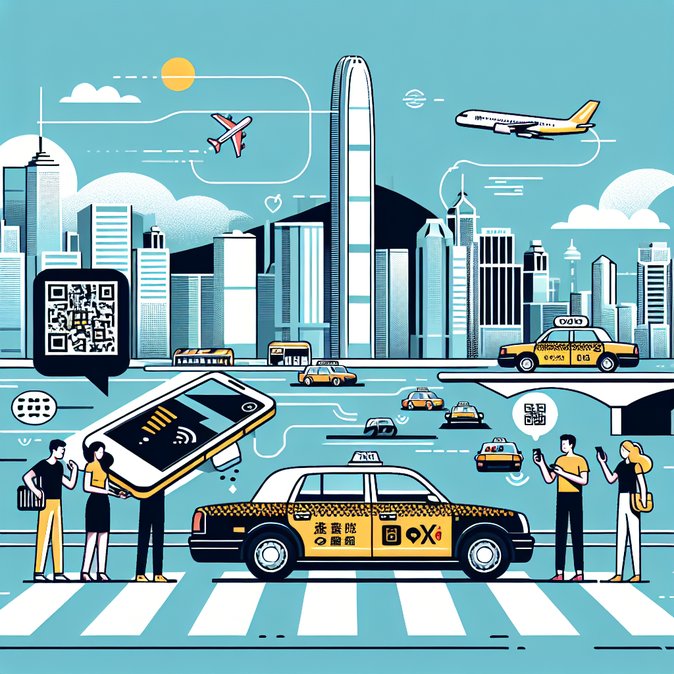
From 00:00 on 1 April every one of Hong Kong’s 18,163 red, green and blue taxis must accept at least two forms of digital payment – a QR-code wallet such as AlipayHK or WeChat Pay HK and a contactless option like Octopus. Non-compliant drivers face fines of up to HK$5,000 and six months in jail, Transport Department assistant commissioner Louisa Fung told RTHK. More than 47,000 drivers – almost the entire licensed pool – have installed dual-system terminals funded by a HK$300 million government subsidy. Stickers on rear windows list accepted methods; passengers are encouraged to confirm options before boarding and to report breaches to the 1823 hotline. For corporate travellers the change removes the long-standing need to carry small Hong Kong-dollar notes and speeds expense reconciliation through electronic receipts.
![Mandatory e-payment goes live for all Hong Kong taxis, easing cash hassles for visitors]()
Meanwhile, travellers organising last-minute trips can smooth their journey even further through VisaHQ. The service’s dedicated Hong Kong page (https://www.visahq.com/hong-kong/) lets individuals or corporate travel managers check entry requirements, complete visa applications online and receive status alerts, ensuring paperwork is handled before they ever step into a cash-free taxi.
Card-issuers Visa and Mastercard say cross-border wallets automatically display fares in home currency, reducing FX surprises. Ride-hailing platforms such as Uber remain a small share of the market due to regulatory limits, so taxis are often the only point-to-point option from meetings after MTR service ends at 01:00. The e-payment mandate aligns taxis with buses, ferries and the Airport Express, where contactless and QR options have been standard since early 2025. It also supports Hong Kong’s wider smart-mobility agenda, which includes RFID-based road-pricing pilots on Hong Kong Island next year.

Meanwhile, travellers organising last-minute trips can smooth their journey even further through VisaHQ. The service’s dedicated Hong Kong page (https://www.visahq.com/hong-kong/) lets individuals or corporate travel managers check entry requirements, complete visa applications online and receive status alerts, ensuring paperwork is handled before they ever step into a cash-free taxi.
Card-issuers Visa and Mastercard say cross-border wallets automatically display fares in home currency, reducing FX surprises. Ride-hailing platforms such as Uber remain a small share of the market due to regulatory limits, so taxis are often the only point-to-point option from meetings after MTR service ends at 01:00. The e-payment mandate aligns taxis with buses, ferries and the Airport Express, where contactless and QR options have been standard since early 2025. It also supports Hong Kong’s wider smart-mobility agenda, which includes RFID-based road-pricing pilots on Hong Kong Island next year.