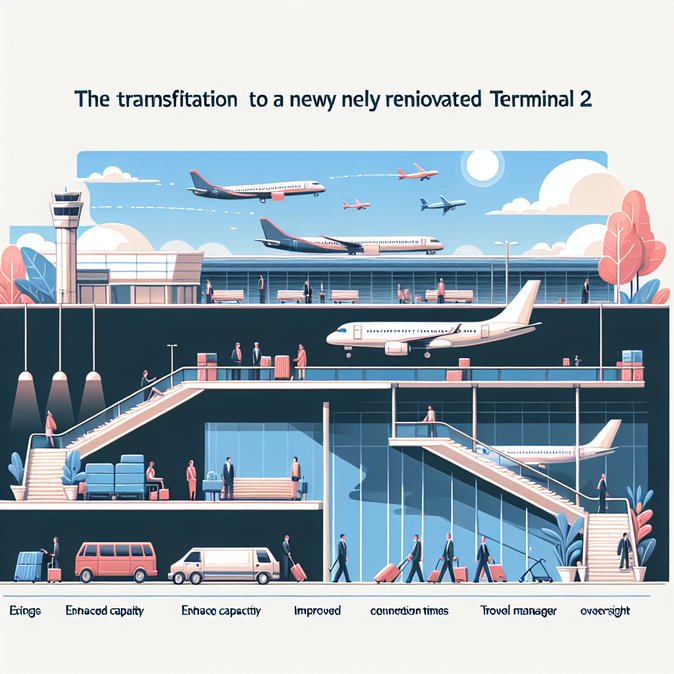
Airport Authority Hong Kong (AAHK) confirmed on 31 March that 15 mostly short- and medium-haul carriers will relocate their check-in operations from Terminal 1 to the fully refurbished Terminal 2 (T2) in phases beginning 27 May 2026. The move marks a major milestone in the HK$9-billion Three-Runway System expansion and restores a facility that has been closed since late 2019 for construction.
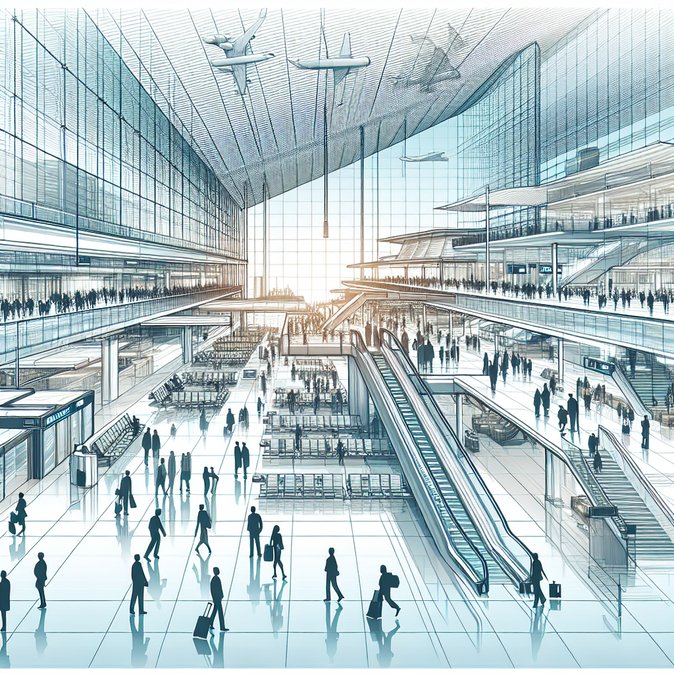
![Fifteen airlines to shift check-in to Hong Kong Airport’s rebuilt Terminal 2 from 27 May]()
Travelers transiting through or entering Hong Kong during and after the terminal reshuffle may also need to review visa or travel document requirements; VisaHQ’s one-stop portal (https://www.visahq.com/hong-kong/) offers real-time guidance and application support for dozens of jurisdictions, helping corporate travel teams and individual passengers secure the paperwork they need without extra airport runs.
Hong Kong Airlines will be first to shift on 27 May, followed by AirAsia group affiliates, Hainan Airlines and Thai Lion Air on 28 May. IndiGo, VietJet, Bangkok Airways and Greater Bay Airlines follow in early June, with Cebu Pacific and HK Express completing the rollout by 10 June 2026. T2 is directly linked to the Airport Express and a new six-storey car park, and will eventually house outbound immigration, security, retail and an automated baggage drop hall. For corporate travel programmes the change means new drop-off points, frequent-flyer lounge locations and coach meeting spots. Travel managers are urged to update employee itineraries and mobility apps; ground-handler WFS says it will issue revised counter numbers to GDSs by mid-April. AAHK expects the shift to free space in Terminal 1 for growing long-haul capacity as Cathay Pacific, Emirates and United bring in additional wide-bodies later this year. Capacity modelling by OAG shows the 15 relocating airlines accounted for 18 per cent of HKIA seat capacity in February 2026. Moving them to T2 should ease peak-hour congestion and cut minimum connection times by up to eight minutes, an important factor for passengers using Hong Kong as a transit hub between Southeast Asia and mainland China.
Travelers transiting through or entering Hong Kong during and after the terminal reshuffle may also need to review visa or travel document requirements; VisaHQ’s one-stop portal (https://www.visahq.com/hong-kong/) offers real-time guidance and application support for dozens of jurisdictions, helping corporate travel teams and individual passengers secure the paperwork they need without extra airport runs.
Hong Kong Airlines will be first to shift on 27 May, followed by AirAsia group affiliates, Hainan Airlines and Thai Lion Air on 28 May. IndiGo, VietJet, Bangkok Airways and Greater Bay Airlines follow in early June, with Cebu Pacific and HK Express completing the rollout by 10 June 2026. T2 is directly linked to the Airport Express and a new six-storey car park, and will eventually house outbound immigration, security, retail and an automated baggage drop hall. For corporate travel programmes the change means new drop-off points, frequent-flyer lounge locations and coach meeting spots. Travel managers are urged to update employee itineraries and mobility apps; ground-handler WFS says it will issue revised counter numbers to GDSs by mid-April. AAHK expects the shift to free space in Terminal 1 for growing long-haul capacity as Cathay Pacific, Emirates and United bring in additional wide-bodies later this year. Capacity modelling by OAG shows the 15 relocating airlines accounted for 18 per cent of HKIA seat capacity in February 2026. Moving them to T2 should ease peak-hour congestion and cut minimum connection times by up to eight minutes, an important factor for passengers using Hong Kong as a transit hub between Southeast Asia and mainland China.