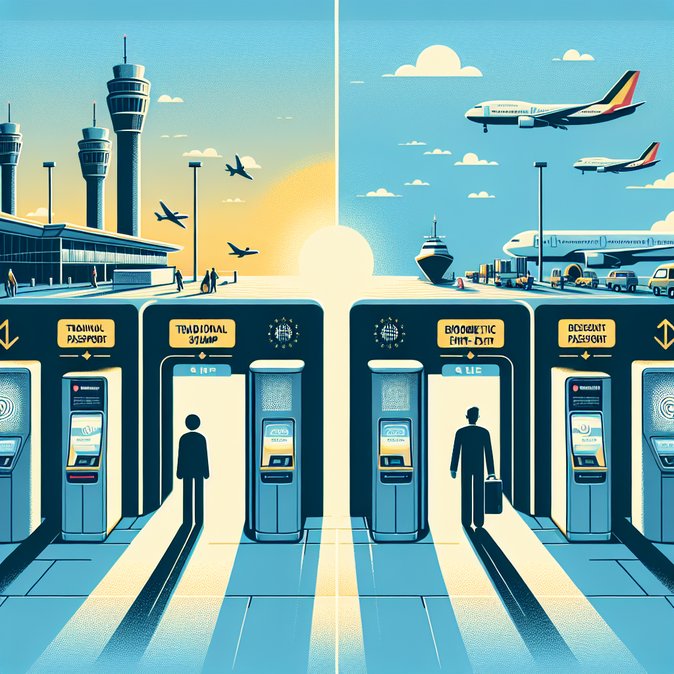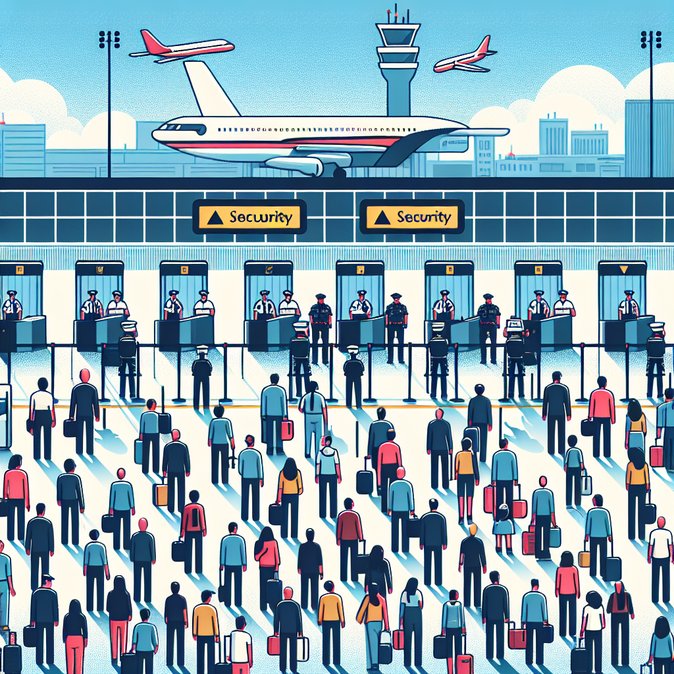
Just nine days before the EU’s new Entry-Exit System becomes compulsory, Brussels Airport has sounded the alarm over ballooning wait times for non-EU passengers. According to figures reported on 31 March, biometric pre-testing has already pushed arrival queues to more than three hours and caused some 600 missed flights in a single week. The problem, airport officials say, is two-fold. First, each enrolment—capturing a facial image and four fingerprints—takes 45–50 seconds, far longer than a traditional passport stamp. Second, only 60 % of automated kiosks delivered by the vendor passed acceptance tests, forcing officers to redirect travellers to manual booths. Belgium’s Interior Minister Bernard Quintin has authorised an extra 120 federal police officers on temporary detail, while the Asylum and Migration portfolio, led by Anneleen Van Bossuyt, has postponed full biometric capture for connecting passengers until after Easter. The government is also negotiating with the European Commission for a waiver that would let airports suspend fingerprint collection during peak surges.
![Brussels Airport Warns of Three-Hour Queues as EES Trial Hits Capacity Limits]()
For travellers looking to stay one step ahead of these shifting requirements, VisaHQ provides real-time guidance on Belgium’s entry rules and can help arrange documentation or pre-clearance where available. Their dedicated portal (https://www.visahq.com/belgium/) distills the latest policy changes and offers corporate tools that simplify compliance for frequent business flyers.
Travel-management firms are advising clients to add a minimum of two hours to departure reporting times and to book longer layovers through Brussels. Employers with frontier workers commuting from the United Kingdom and Switzerland should remind staff that they, too, are classed as non-EU nationals under the new rules. If Belgium cannot tame the queues before 10 April, analysts warn, the reputational hit could divert transfer traffic to Paris-Charles de Gaulle or Amsterdam-Schiphol—airports that have likewise struggled but enjoy larger staffing pools. With 64,000 direct and indirect jobs tied to the airport, the stakes for the Belgian economy are high.

For travellers looking to stay one step ahead of these shifting requirements, VisaHQ provides real-time guidance on Belgium’s entry rules and can help arrange documentation or pre-clearance where available. Their dedicated portal (https://www.visahq.com/belgium/) distills the latest policy changes and offers corporate tools that simplify compliance for frequent business flyers.
Travel-management firms are advising clients to add a minimum of two hours to departure reporting times and to book longer layovers through Brussels. Employers with frontier workers commuting from the United Kingdom and Switzerland should remind staff that they, too, are classed as non-EU nationals under the new rules. If Belgium cannot tame the queues before 10 April, analysts warn, the reputational hit could divert transfer traffic to Paris-Charles de Gaulle or Amsterdam-Schiphol—airports that have likewise struggled but enjoy larger staffing pools. With 64,000 direct and indirect jobs tied to the airport, the stakes for the Belgian economy are high.