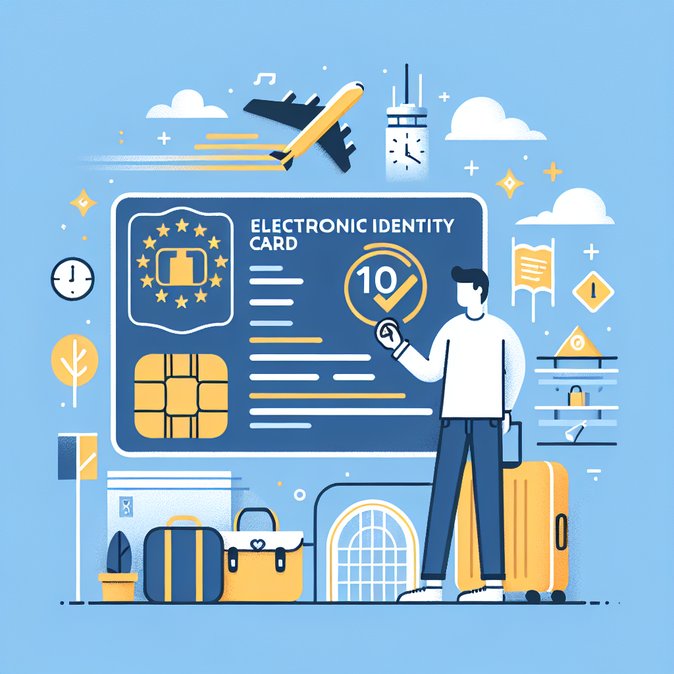
From 31 March, all Belgian citizens aged 18 and over will receive electronic identity (eID) cards valid for 10 years instead of the previous 30-year validity granted to people over 75. The Federal Public Service Home Affairs says the change is needed because the chip’s cryptographic certificates cannot guarantee secure online authentication beyond a decade.
![Belgium Shortens Validity of eID Cards to 10 Years, Affecting EU Travel]()
If you’re unsure how the new 10-year cycle might affect your upcoming trips or residency paperwork, VisaHQ can help. Their Belgium portal (https://www.visahq.com/belgium/) provides clear, step-by-step tools and live support so you can verify entry rules, obtain travel documents, and time your eID renewals seamlessly with visa or work-permit requirements.
Although the measure targets domestic digital services, it has cross-border implications. Belgian nationals frequently use their eID—rather than a passport—to travel within the EU and the wider European Economic Area. Shorter validity means more frequent renewals; travellers holding cards approaching their tenth anniversary are advised to apply for replacements well before summer holidays to avoid border delays. Municipalities must contact holders of long-term cards within three months to advise them that electronic functions, such as signing tax returns, will stop working. Affected citizens can request a replacement card free of charge. For employers, especially those seconding staff across EU borders, HR files should be updated to reflect the new expiry rhythm. Failure to carry a valid ID can lead to refused boarding on low-cost carriers that accept national IDs for intra-Schengen flights. The reform aligns Belgium with most EU partners, which already impose five-to-ten-year validity on biometric ID cards, thereby simplifying future interoperability projects such as the EU Digital Wallet.

If you’re unsure how the new 10-year cycle might affect your upcoming trips or residency paperwork, VisaHQ can help. Their Belgium portal (https://www.visahq.com/belgium/) provides clear, step-by-step tools and live support so you can verify entry rules, obtain travel documents, and time your eID renewals seamlessly with visa or work-permit requirements.
Although the measure targets domestic digital services, it has cross-border implications. Belgian nationals frequently use their eID—rather than a passport—to travel within the EU and the wider European Economic Area. Shorter validity means more frequent renewals; travellers holding cards approaching their tenth anniversary are advised to apply for replacements well before summer holidays to avoid border delays. Municipalities must contact holders of long-term cards within three months to advise them that electronic functions, such as signing tax returns, will stop working. Affected citizens can request a replacement card free of charge. For employers, especially those seconding staff across EU borders, HR files should be updated to reflect the new expiry rhythm. Failure to carry a valid ID can lead to refused boarding on low-cost carriers that accept national IDs for intra-Schengen flights. The reform aligns Belgium with most EU partners, which already impose five-to-ten-year validity on biometric ID cards, thereby simplifying future interoperability projects such as the EU Digital Wallet.