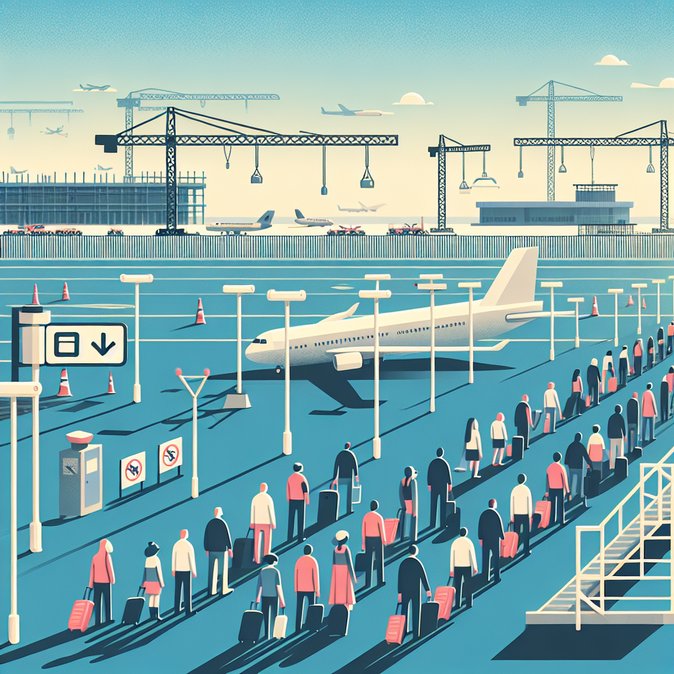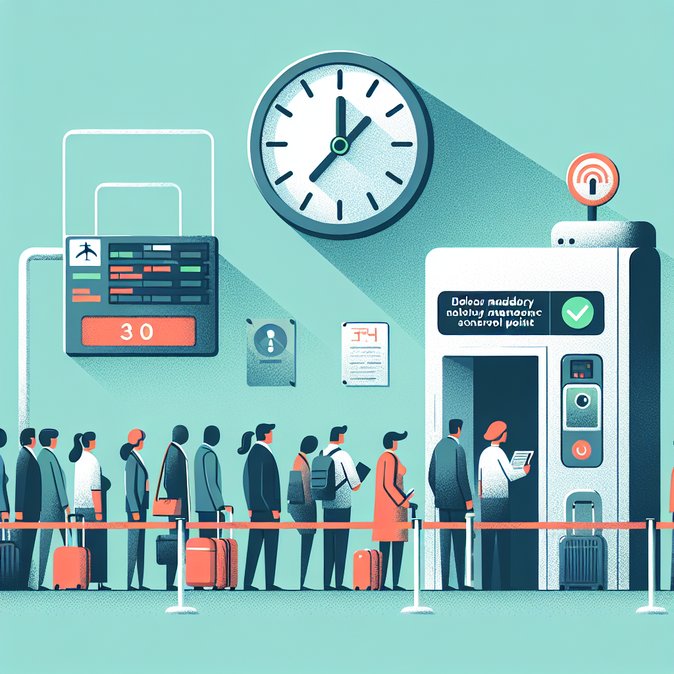
Belgium has hit the pause button on one of the most high-profile technology upgrades at its external borders – the EU Entry/Exit System (EES). Interior Minister Bernard Quintin and Asylum & Migration Minister Anneleen Van Bossuyt confirmed late on 30 March that the compulsory fingerprint and face-scan enrolment for non-EU travellers will not go live at Brussels Airport this week as originally planned. The ministers cited unacceptable queues during recent live trials, saying the infrastructure “is not yet capable of processing Easter-peak passenger volumes without crippling wait-times.”
The EES, already in test phase elsewhere in the Schengen area, is meant to replace manual passport stamping with automated biometric registration and to flag overstayers automatically. Airlines and airport operators welcomed the Belgian reprieve; Brussels Airport Company warned that—as currently configured—the new kiosks cut hourly throughput by more than 30 percent during stress tests, threatening flight-bank integrity and minimum-connection times for transfer traffic.
For travellers and corporates looking to stay ahead of these shifting border requirements, VisaHQ can help by monitoring regulatory changes and pre-screening documentation or arranging expedited visas when needed. Visit https://www.visahq.com/belgium/ to see how the platform supports Belgium-bound passengers and broader Schengen compliance.
![Belgium delays biometric rollout of EU Entry/Exit System after trial queues]()
From a business-mobility perspective the postponement matters on three fronts. First, it avoids an immediate spike in missed connections for hub carriers Brussels Airlines, Singapore Airlines and United that rely on tight turnaround times.
Second, employers that routinely rotate non-EU staff through Belgium on short-term assignments gain a temporary administrative breather: travellers can continue to use e-gates or manual booths without pre-registration.
Finally, the delay increases pressure on EU institutions headquartered in Brussels to coordinate a more realistic timeline for the April 10 Schengen-wide deadline – Belgium is the third member state after France and the Netherlands to ask for extra time. Corporate travel managers should brief assignees that the biometric requirement will still arrive later this spring; advance arrival at the airport and use of Registered Traveller or Fast Track products remain best practice until the system stabilises.
The EES, already in test phase elsewhere in the Schengen area, is meant to replace manual passport stamping with automated biometric registration and to flag overstayers automatically. Airlines and airport operators welcomed the Belgian reprieve; Brussels Airport Company warned that—as currently configured—the new kiosks cut hourly throughput by more than 30 percent during stress tests, threatening flight-bank integrity and minimum-connection times for transfer traffic.
For travellers and corporates looking to stay ahead of these shifting border requirements, VisaHQ can help by monitoring regulatory changes and pre-screening documentation or arranging expedited visas when needed. Visit https://www.visahq.com/belgium/ to see how the platform supports Belgium-bound passengers and broader Schengen compliance.

From a business-mobility perspective the postponement matters on three fronts. First, it avoids an immediate spike in missed connections for hub carriers Brussels Airlines, Singapore Airlines and United that rely on tight turnaround times.
Second, employers that routinely rotate non-EU staff through Belgium on short-term assignments gain a temporary administrative breather: travellers can continue to use e-gates or manual booths without pre-registration.
Finally, the delay increases pressure on EU institutions headquartered in Brussels to coordinate a more realistic timeline for the April 10 Schengen-wide deadline – Belgium is the third member state after France and the Netherlands to ask for extra time. Corporate travel managers should brief assignees that the biometric requirement will still arrive later this spring; advance arrival at the airport and use of Registered Traveller or Fast Track products remain best practice until the system stabilises.