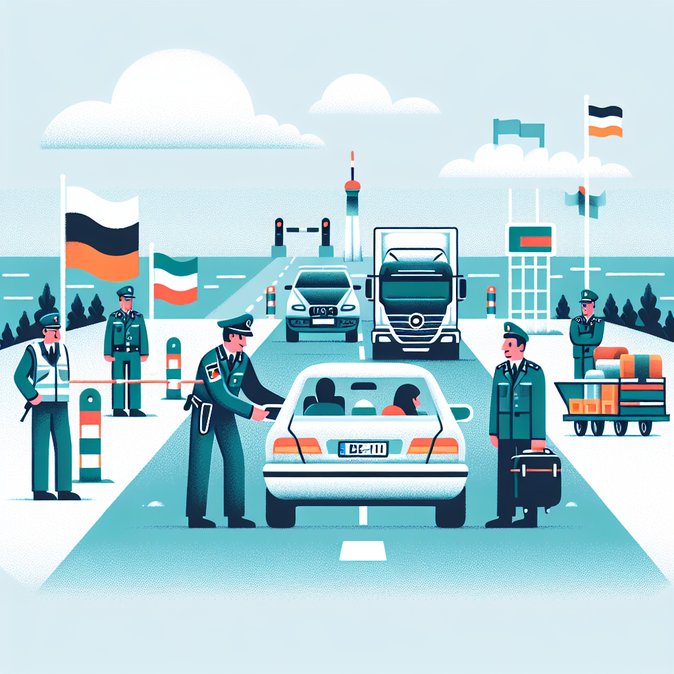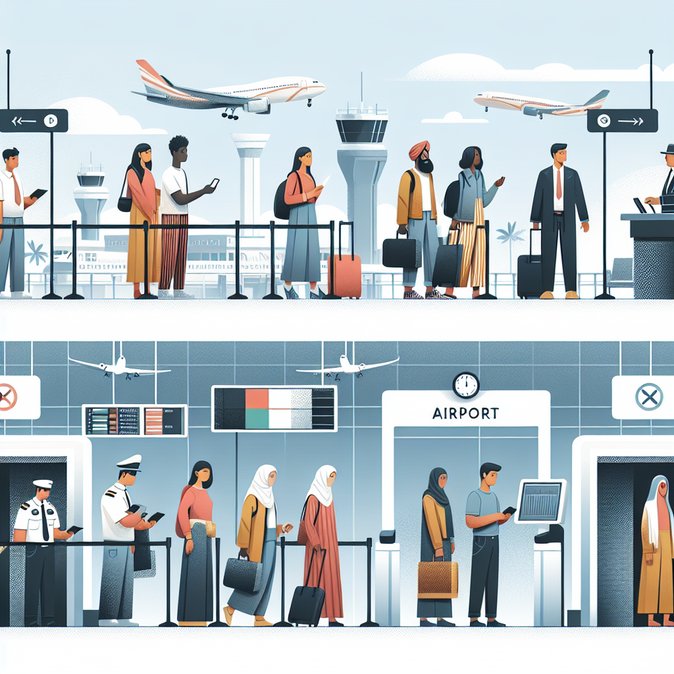
The six-month transition period for the European Union’s new Entry/Exit System (EES) ends this week, and from 1 April all travellers from third-countries arriving at German airports will have their fingerprints and facial image captured in a central database. Düsseldorf, Frankfurt and Munich have finished installing hundreds of self-service kiosks, but airport operators concede that the learning curve will mean longer processing times—especially during the Easter holidays. EES replaces the traditional passport-stamp model and automatically calculates the permitted length of stay in the Schengen area. Border officials say the system will make it easier to spot over-stayers and detect forged documents, yet the rollout comes as passenger volumes are rebounding to pre-pandemic levels.
![EU Entry/Exit System Goes Live in April: German Airports Warn of Longer Queues]()
At this juncture, consulting a specialist can reduce guesswork: VisaHQ, for example, maintains a dedicated Germany page (https://www.visahq.com/germany/) that tracks EES updates, ETIAS timelines and any visa or residence-permit changes, offering application assistance for individuals and corporate travel departments alike.
The federal police (Bundespolizei) have redeployed 450 officers to assist with the switchover and urge airlines to stagger arrivals during peak morning banks. For business travellers, the most immediate impact will be additional enrolment steps on first entry. Holders of diplomatic passports and EU residence permits are exempt, but all other non-EU nationals—even frequent flyers—must complete biometric registration once every three years. Companies should budget extra time for connecting flights and advise mobile workers to keep printed proof of onward travel in case of system glitches. Longer-term, authorities predict smoother flows as e-gates multiply and manual stamping disappears. The EES is also the prerequisite for ETIAS, the €7 travel authorisation that will become mandatory for visa-exempt visitors toward the end of 2026. Travel-management firms are therefore updating booking platforms to flag both requirements automatically during itinerary creation. While Germany was among the states that delayed the original 2024 launch, officials insist the technology is now stable after stress tests with over 200 000 volunteer passengers. Nevertheless, contingency plans include redirecting overflow to conventional counters and waiving airline minimum-connect-time penalties during the first fortnight.

At this juncture, consulting a specialist can reduce guesswork: VisaHQ, for example, maintains a dedicated Germany page (https://www.visahq.com/germany/) that tracks EES updates, ETIAS timelines and any visa or residence-permit changes, offering application assistance for individuals and corporate travel departments alike.
The federal police (Bundespolizei) have redeployed 450 officers to assist with the switchover and urge airlines to stagger arrivals during peak morning banks. For business travellers, the most immediate impact will be additional enrolment steps on first entry. Holders of diplomatic passports and EU residence permits are exempt, but all other non-EU nationals—even frequent flyers—must complete biometric registration once every three years. Companies should budget extra time for connecting flights and advise mobile workers to keep printed proof of onward travel in case of system glitches. Longer-term, authorities predict smoother flows as e-gates multiply and manual stamping disappears. The EES is also the prerequisite for ETIAS, the €7 travel authorisation that will become mandatory for visa-exempt visitors toward the end of 2026. Travel-management firms are therefore updating booking platforms to flag both requirements automatically during itinerary creation. While Germany was among the states that delayed the original 2024 launch, officials insist the technology is now stable after stress tests with over 200 000 volunteer passengers. Nevertheless, contingency plans include redirecting overflow to conventional counters and waiving airline minimum-connect-time penalties during the first fortnight.