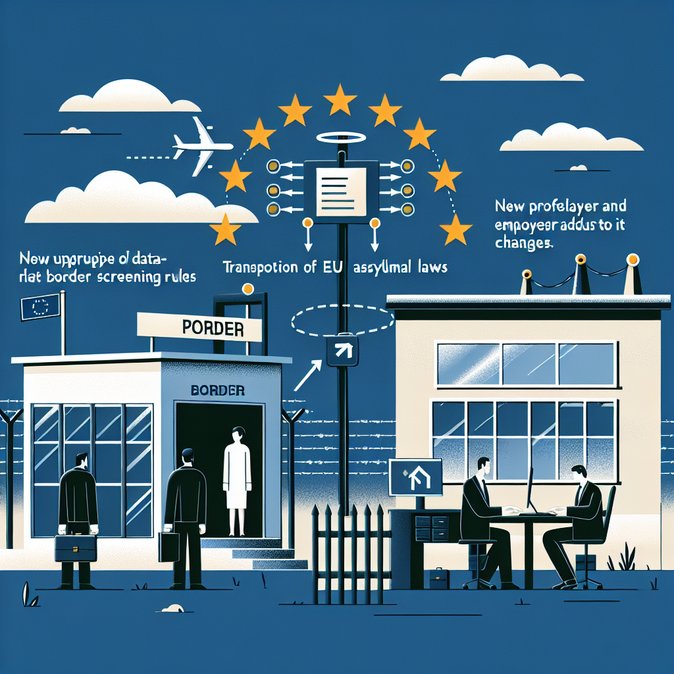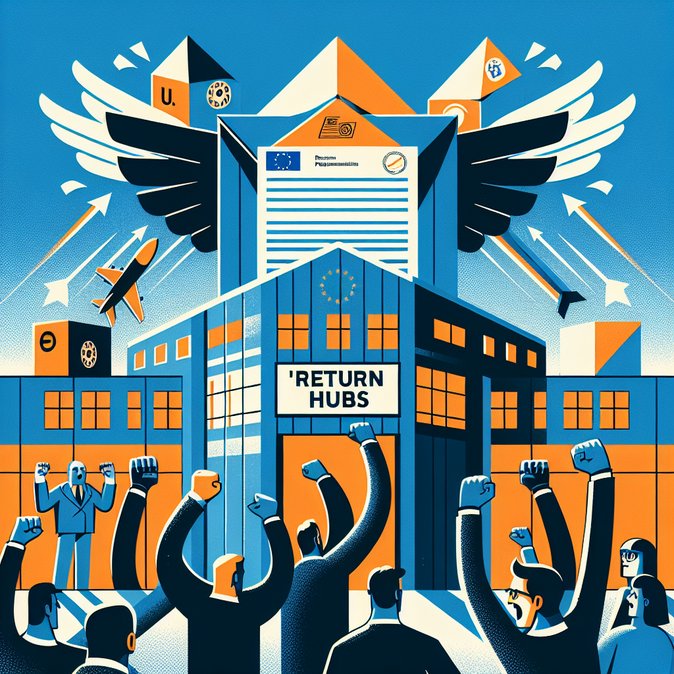
Sunday’s vote in Brussels marks the most dramatic tightening of European migration rules in a decade. By 398 votes to 235, EU legislators cleared the last legal hurdle for the so-called “Return Hubs” framework, allowing member states to process rejected asylum seekers in third-country facilities—often in Africa or the Western Balkans—and to pool funding for mass charter flights. For Germany, the change lands at a politically charged moment. The governing “traffic-light” coalition has struggled to contain a near-record 380,000 first-time asylum claims filed in 2025, while municipalities complain that shelters and schools are overstretched. Interior Minister Nancy Faeser (SPD) immediately welcomed the pact, calling it “a toolbox we urgently need,” and confirmed that the Federal Police will take the lead in coordinating joint return flights once the rules enter force on June 12. Berlin has already opened exploratory talks with Ghana and Morocco on hosting EU-funded processing centres—talks that gained fresh momentum after Sunday’s vote. Business groups back the overhaul for a different reason. The Federation of German Industries (BDI) notes that clogged asylum facilities tie up immigration officers who could otherwise issue work visas under Germany’s new Skilled-Worker Act. Faster removal of manifestly unfounded cases, they argue, should free up administrative capacity and shorten processing times for much-needed engineers and nurses. Still, companies worry about potential retaliatory measures from countries asked to accept deportees; many of those same states are sources of sought-after labour.
![EU Approves Tougher Deportation Powers—What It Means for Germany’s Migration System]()
In this rapidly shifting regulatory environment, VisaHQ can serve as a practical ally. The company’s Germany portal keeps track of every procedural tweak and enables both employers and individual travellers to file for work permits, EU Blue Cards, tourist visas and more—all online and with expert oversight—helping clients stay compliant as the new rules bed in (https://www.visahq.com/germany/).
Rights organisations are already gearing up for legal challenges. PRO ASYL says the “Return Hubs” concept violates both the German constitution and EU fundamental-rights law by outsourcing responsibility for refugees’ safety. Lawyers point to the Federal Constitutional Court’s 2020 ruling that Germany must ensure adequate living conditions before any transfer to a third country. The Interior Ministry insists due-diligence checks will be built into every agreement, but details remain sketchy. In practical terms, nothing changes overnight; Germany must transpose common EU screening forms and biometric data-sharing rules into national law within 60 days. The Bundestag’s governing majority is expected to fast-track the enabling legislation after the Easter recess. Airlines based in Germany, led by Lufthansa, are already in talks with the EU’s border agency Frontex about charter capacity—an early sign that Berlin intends to make full use of the new powers. For mobility managers and global-talent teams, the immediate takeaway is that asylum processing will grow stricter, while labour-migration channels such as the EU Blue Card and Chancenkarte should, in theory, face fewer backlogs once the system beds in.
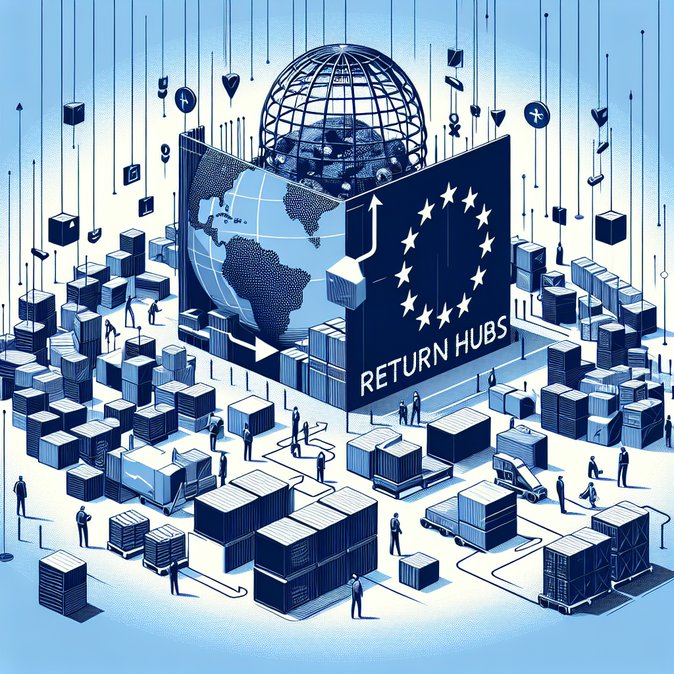
In this rapidly shifting regulatory environment, VisaHQ can serve as a practical ally. The company’s Germany portal keeps track of every procedural tweak and enables both employers and individual travellers to file for work permits, EU Blue Cards, tourist visas and more—all online and with expert oversight—helping clients stay compliant as the new rules bed in (https://www.visahq.com/germany/).
Rights organisations are already gearing up for legal challenges. PRO ASYL says the “Return Hubs” concept violates both the German constitution and EU fundamental-rights law by outsourcing responsibility for refugees’ safety. Lawyers point to the Federal Constitutional Court’s 2020 ruling that Germany must ensure adequate living conditions before any transfer to a third country. The Interior Ministry insists due-diligence checks will be built into every agreement, but details remain sketchy. In practical terms, nothing changes overnight; Germany must transpose common EU screening forms and biometric data-sharing rules into national law within 60 days. The Bundestag’s governing majority is expected to fast-track the enabling legislation after the Easter recess. Airlines based in Germany, led by Lufthansa, are already in talks with the EU’s border agency Frontex about charter capacity—an early sign that Berlin intends to make full use of the new powers. For mobility managers and global-talent teams, the immediate takeaway is that asylum processing will grow stricter, while labour-migration channels such as the EU Blue Card and Chancenkarte should, in theory, face fewer backlogs once the system beds in.