On 25 March 2026 the German federal cabinet approved the long-awaited "Klimaschutzprogramm 2026", a 67-point roadmap designed to close the country’s greenhouse-gas gap by 2030. While the package spans energy, buildings and industry, several headline measures directly affect corporate mobility and international travel.
![German cabinet adopts Climate Action Programme 2026—transport measures target flights and company fleets]()
Whether your organization is dispatching engineers for short-term projects or relocating full teams, securing the proper entry documents is essential. VisaHQ’s dedicated Germany page (https://www.visahq.com/germany/) lets mobility managers and individual travelers arrange visas and residence permits online, track progress in real time, and access expert support—freeing up bandwidth to tackle the programme’s new sustainability and cost challenges.
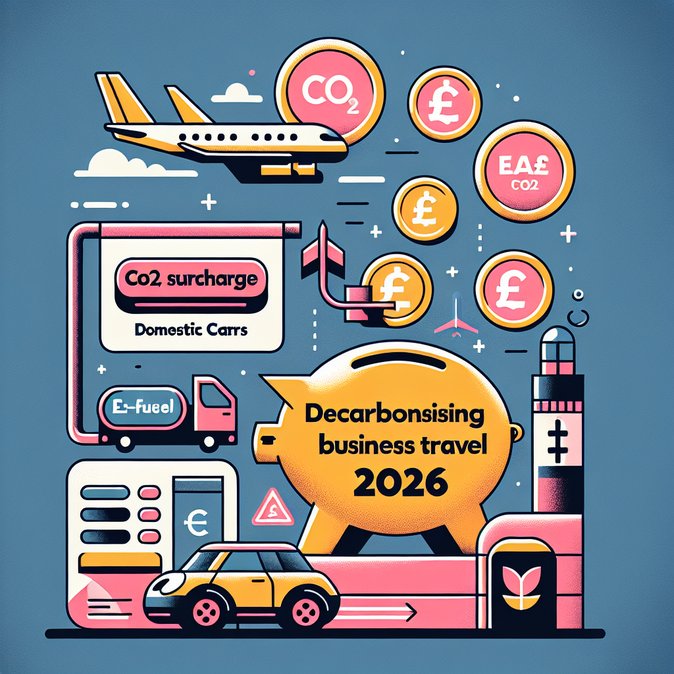
First, Berlin will introduce a rising CO₂ surcharge on all domestic flights from 1 January 2027, starting at €35 per segment and increasing to €70 by 2030. Connections shorter than 600 km that have a viable rail alternative in under 4½ hours will lose grandfathered tax exemptions immediately. The government projects that the levy will shift up to 20 % of short-haul passengers onto rail—mirroring French legislation but on a larger market. Second, company car taxation will change. From 2027 only zero-emission vehicles will qualify for the attractive 0.25 % benefit-in-kind rule; plug-in hybrids will be re-rated at 0.75 % unless they achieve at least 80 km electric range in real-world testing. Fleet managers of Germany-based multinationals must therefore accelerate electrification plans or face higher payroll costs for assignees. Third, long-distance bus and rail operators will gain access to a €1 billion "Mobility Innovation Fund" to deploy alternative fuels, digital ticketing and automated border-control pilots compatible with the upcoming EU Entry/Exit System (EES). Frankfurt and Munich airports will receive targeted grants to build e-SAF (synthetic aviation fuel) blending facilities, but airlines using German hubs must purchase a minimum 5 % e-SAF blend from 2028, rising to 15 % by 2030. For HR and global-mobility teams the takeaway is clear: moving people into, out of and within Germany will get greener—but potentially costlier if policies are not updated. Travel buyers should prepare for higher airfares on domestic connectors and consider embedding rail-first rules. Expatriate car allowances may also need recalibration as internal-combustion company cars lose tax advantages. Germany’s climate push thus doubles as a strong signal to internationally oriented firms: align mobility programmes with the low-carbon transition, or pay a premium.
Whether your organization is dispatching engineers for short-term projects or relocating full teams, securing the proper entry documents is essential. VisaHQ’s dedicated Germany page (https://www.visahq.com/germany/) lets mobility managers and individual travelers arrange visas and residence permits online, track progress in real time, and access expert support—freeing up bandwidth to tackle the programme’s new sustainability and cost challenges.
First, Berlin will introduce a rising CO₂ surcharge on all domestic flights from 1 January 2027, starting at €35 per segment and increasing to €70 by 2030. Connections shorter than 600 km that have a viable rail alternative in under 4½ hours will lose grandfathered tax exemptions immediately. The government projects that the levy will shift up to 20 % of short-haul passengers onto rail—mirroring French legislation but on a larger market. Second, company car taxation will change. From 2027 only zero-emission vehicles will qualify for the attractive 0.25 % benefit-in-kind rule; plug-in hybrids will be re-rated at 0.75 % unless they achieve at least 80 km electric range in real-world testing. Fleet managers of Germany-based multinationals must therefore accelerate electrification plans or face higher payroll costs for assignees. Third, long-distance bus and rail operators will gain access to a €1 billion "Mobility Innovation Fund" to deploy alternative fuels, digital ticketing and automated border-control pilots compatible with the upcoming EU Entry/Exit System (EES). Frankfurt and Munich airports will receive targeted grants to build e-SAF (synthetic aviation fuel) blending facilities, but airlines using German hubs must purchase a minimum 5 % e-SAF blend from 2028, rising to 15 % by 2030. For HR and global-mobility teams the takeaway is clear: moving people into, out of and within Germany will get greener—but potentially costlier if policies are not updated. Travel buyers should prepare for higher airfares on domestic connectors and consider embedding rail-first rules. Expatriate car allowances may also need recalibration as internal-combustion company cars lose tax advantages. Germany’s climate push thus doubles as a strong signal to internationally oriented firms: align mobility programmes with the low-carbon transition, or pay a premium.