Facing surging energy prices and a dip in regional travel demand caused by the four-week-old Middle East war, the Cypriot government on 26 March rolled out an eight-point relief package designed to shield consumers—and the travel sector—from escalating costs. Chief among the measures is a commitment to cover 30 % of wages for all employees in the hotel industry during April, coupled with what President Nikos Christodoulides called “a special plan for more support for airlines to secure the seamless connectivity of the country with important destinations for the attraction of tourists.” Although officials have yet to publish the fine print, aviation sources told the Financial Mirror the scheme is expected to mirror the pandemic-era incentive programme that reimbursed carriers per arriving passenger, provided they maintained scheduled capacity to Larnaca and Paphos. Industry lobbyists have warned that without help, carriers might redeploy aircraft to Western European routes perceived as less exposed to conflict spill-over.
![Cyprus unveils airline and hotel wage support to keep island connected during Middle East crisis]()
For travelers and mobility planners eager to take advantage of the flights Cyprus is working hard to preserve, VisaHQ can simplify the documentation process. Through its dedicated Cyprus page (https://www.visahq.com/cyprus/), the service offers up-to-date visa information, electronic travel authorization support and fast passport processing, ensuring individual tourists, corporate assignees and group organizers secure the correct paperwork seamlessly as airline schedules fluctuate.
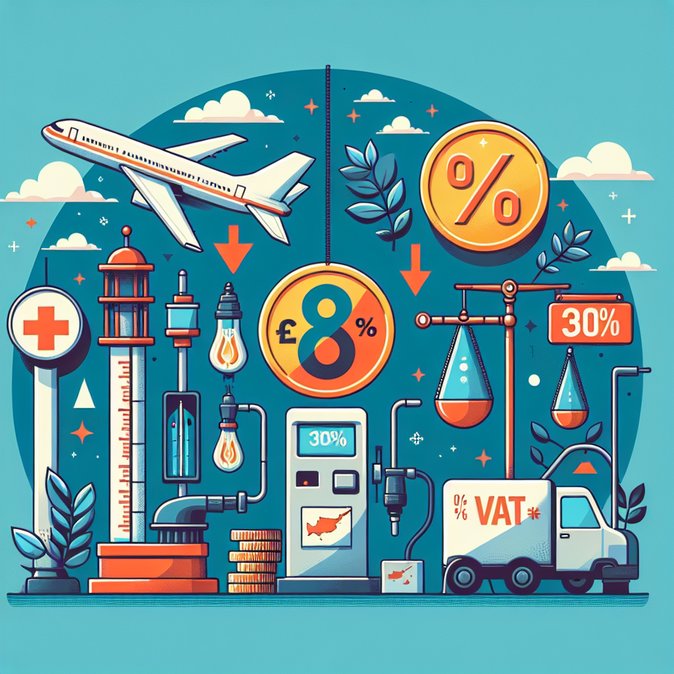
Tour operators report booking cancellations of up to 15 % for late spring, and hoteliers in Famagusta say group enquiries from Germany and Scandinavia are “noticeably softer” than a month ago. Beyond aviation support, the package freezes planned ‘green taxes’ on fuel, cuts VAT on electricity and basic foods, and subsidises fertiliser for farmers—steps aimed at containing inflation that could otherwise erode Cyprus’ price competitiveness as a meetings-and-incentives destination. The finance ministry calculates the total cost at €210 million, comfortably within the fiscal headroom created by a budget surplus of 2.3 % of GDP in 2025. For mobility managers, the announcement offers reassurance that Cyprus intends to keep air links open and affordable through the critical Easter–summer ramp-up. Corporate travel buyers can expect carriers such as Ryanair, Wizz Air and Cyprus Airways to maintain frequency, while conference planners may find hotels more amenable to rate negotiations as wage subsidies offset payroll pressures. HR departments relocating staff to the island should nonetheless monitor fare volatility and advise assignees about potential increases once temporary fuel excise reductions expire in June. Longer term, observers see the measures as part of Cyprus’ broader strategy to market itself as a safe European base for operations in the volatile Eastern Mediterranean. “Ensuring uninterrupted connectivity is fundamental to our competitiveness,” Tourism Deputy Minister Kostas Koumis told reporters. “The message to investors and visitors alike is that Cyprus remains open for business.”

For travelers and mobility planners eager to take advantage of the flights Cyprus is working hard to preserve, VisaHQ can simplify the documentation process. Through its dedicated Cyprus page (https://www.visahq.com/cyprus/), the service offers up-to-date visa information, electronic travel authorization support and fast passport processing, ensuring individual tourists, corporate assignees and group organizers secure the correct paperwork seamlessly as airline schedules fluctuate.
Tour operators report booking cancellations of up to 15 % for late spring, and hoteliers in Famagusta say group enquiries from Germany and Scandinavia are “noticeably softer” than a month ago. Beyond aviation support, the package freezes planned ‘green taxes’ on fuel, cuts VAT on electricity and basic foods, and subsidises fertiliser for farmers—steps aimed at containing inflation that could otherwise erode Cyprus’ price competitiveness as a meetings-and-incentives destination. The finance ministry calculates the total cost at €210 million, comfortably within the fiscal headroom created by a budget surplus of 2.3 % of GDP in 2025. For mobility managers, the announcement offers reassurance that Cyprus intends to keep air links open and affordable through the critical Easter–summer ramp-up. Corporate travel buyers can expect carriers such as Ryanair, Wizz Air and Cyprus Airways to maintain frequency, while conference planners may find hotels more amenable to rate negotiations as wage subsidies offset payroll pressures. HR departments relocating staff to the island should nonetheless monitor fare volatility and advise assignees about potential increases once temporary fuel excise reductions expire in June. Longer term, observers see the measures as part of Cyprus’ broader strategy to market itself as a safe European base for operations in the volatile Eastern Mediterranean. “Ensuring uninterrupted connectivity is fundamental to our competitiveness,” Tourism Deputy Minister Kostas Koumis told reporters. “The message to investors and visitors alike is that Cyprus remains open for business.”