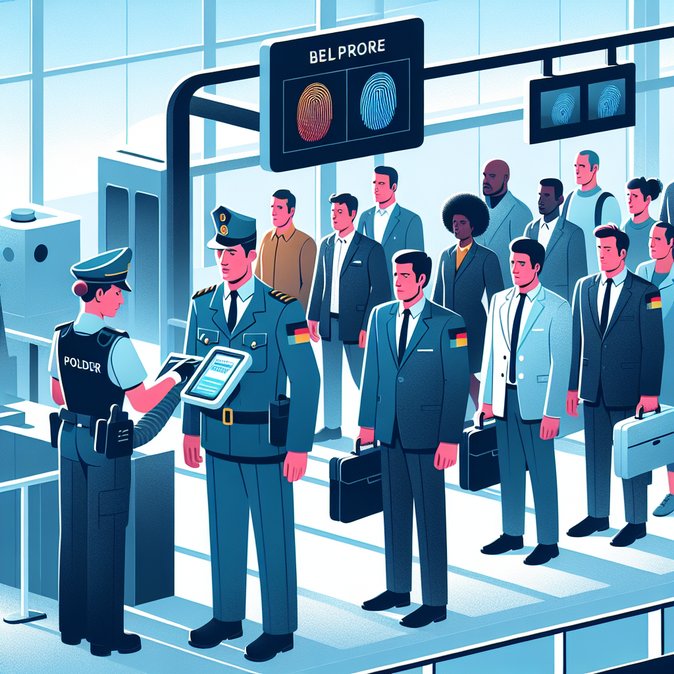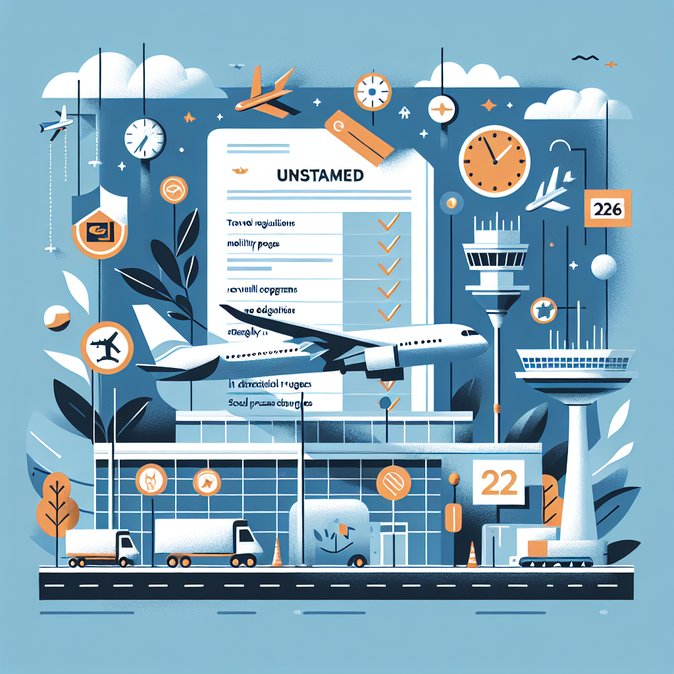
King Philippe and Queen Mathilde begin a three-day state visit to Norway today, the first such trip of 2026 and the 18th of the monarch’s reign. Although ceremonial in nature, state visits require intricate mobility planning for dozens of officials, business delegates and security personnel who accompany the royal party. The Federal Public Service Foreign Affairs has issued a NOTAM (Notice to Airmen) establishing restricted air-space corridors between Brussels Military Airport (Melsbroek) and Oslo Gardermoen for VIP flights from 24 to 26 March. Commercial carriers are being rerouted a few nautical miles north, causing minor schedule adjustments for early-morning departures on 24 March. The Protocol Directorate has also activated Belgium’s airport-access ‘purple badge’ system, which temporarily reallocates VIP lounges and priority lanes at Zaventem; corporate travellers using fast-track products may therefore experience brief closures around the royal departures and arrivals. Beyond the aviation impact, the visit includes a Belgium-Norway business forum in Oslo focusing on offshore wind and green hydrogen. The FPS Economy has circulated last-minute invitations to Belgium-based energy firms; places are limited because of aircraft seating restrictions.
![Royal state visit to Norway triggers temporary air-space and protocol measures for Belgian official travel]()
For mobility managers racing against the clock to secure Schengen visas, passport renewals or other travel documents, VisaHQ’s Brussels portal (https://www.visahq.com/belgium/) offers an end-to-end concierge service that can fast-track paperwork, coordinate courier pick-ups and keep real-time tabs on consular lead times—freeing teams to focus on delegate logistics instead of embassy queues.
Mobility teams arranging executive attendance must secure Schengen-compliant travel documents and ensure participants register with the embassy’s delegation list no later than 15:00 CET today in order to qualify for diplomatic-channel processing on arrival. While the disruption is modest, the episode highlights how high-level diplomatic travel can ripple into commercial mobility programmes. Travel-risk consultants suggest monitoring NOTAM updates and reminding VIP passengers that escort officers, not airlines, control landside access during state events. Normal operations at BRU are expected to resume after 18:00 CET on 26 March.
For mobility managers racing against the clock to secure Schengen visas, passport renewals or other travel documents, VisaHQ’s Brussels portal (https://www.visahq.com/belgium/) offers an end-to-end concierge service that can fast-track paperwork, coordinate courier pick-ups and keep real-time tabs on consular lead times—freeing teams to focus on delegate logistics instead of embassy queues.
Mobility teams arranging executive attendance must secure Schengen-compliant travel documents and ensure participants register with the embassy’s delegation list no later than 15:00 CET today in order to qualify for diplomatic-channel processing on arrival. While the disruption is modest, the episode highlights how high-level diplomatic travel can ripple into commercial mobility programmes. Travel-risk consultants suggest monitoring NOTAM updates and reminding VIP passengers that escort officers, not airlines, control landside access during state events. Normal operations at BRU are expected to resume after 18:00 CET on 26 March.