Britain’s Ministry of Defence confirmed on Saturday that a further 500 troops and support staff are being deployed to the sovereign areas of Akrotiri and Dhekelia "with immediate effect". The move follows the 2 March Iranian drone strike that caused minor damage at RAF Akrotiri and comes amid heightened regional tensions after the temporary closure of the Strait of Hormuz. Although military, the reinforcement has direct implications for international mobility. British sovereign areas host Cyprus’ second-busiest airfield and process thousands of diplomatic and contractor movements each month.
![UK rushes 500 extra personnel to British sovereign bases in Cyprus, raising travel-security stakes]()
For organisations and individuals needing assistance with Cyprus visas, residence permits or rush passport services, VisaHQ offers an end-to-end application platform and on-the-ground expertise. Their dedicated Cyprus portal (https://www.visahq.com/cyprus/) simplifies paperwork, tracks status updates in real time and can flag the latest base-related entry advisories—freeing travellers to focus on mission-critical tasks.
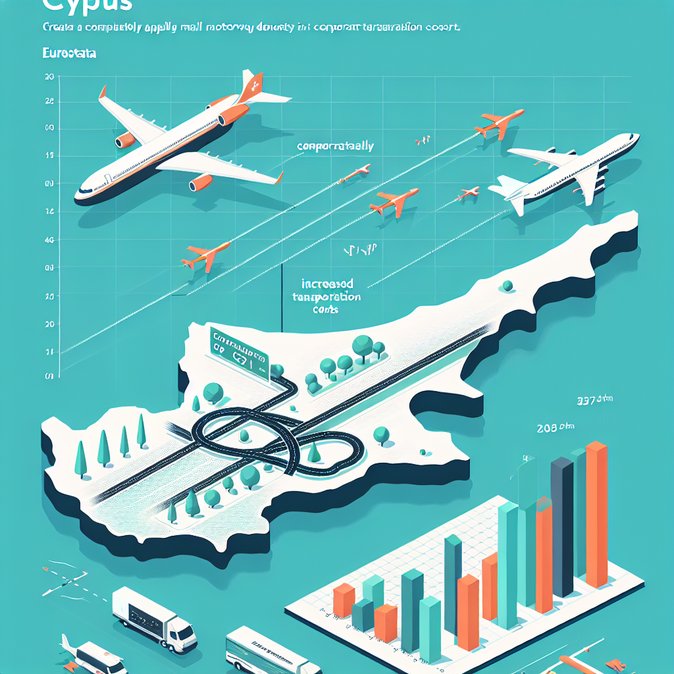
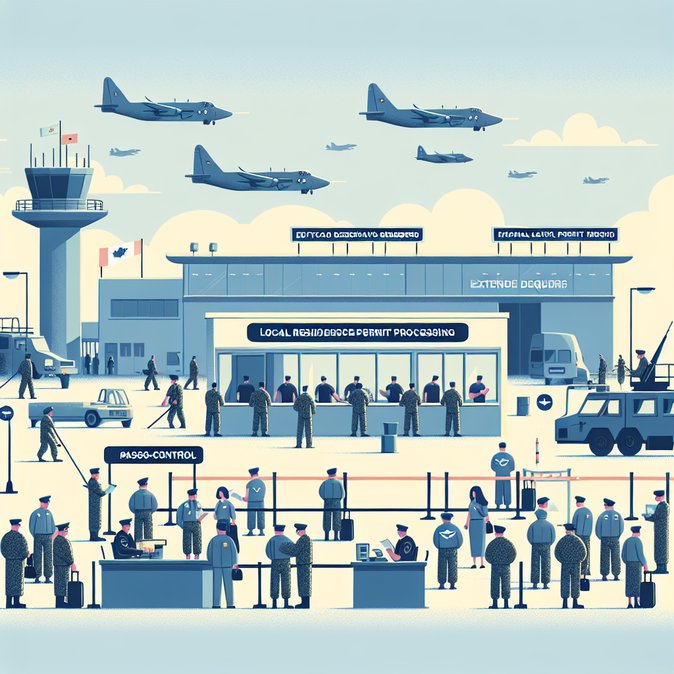
According to base officials, the influx will push accommodation to capacity and trigger tighter vetting of visitor access passes. Contractors have already received notices of longer lead times for base entry permits and advised to route commercial freight via Larnaca port where possible. Cyprus’ Civil Aviation Authority told carriers that flight paths over the western Sovereign Base Area may be rerouted during take-offs of RAF Typhoon and KC-46A tankers supporting Middle-East operations. While no civilian slots have been cancelled, travel-management companies are warning corporate travellers to allow an extra hour for security checks on routes skirting the bases and to review war-risk clauses in insurance policies. The deployment also revives debate over the legal status of non-Cypriot dependants of UK forces. Under a 2023 memorandum, spouses and children may apply for Cyprus residence cards valid for local employment, but processing backlogs run up to four months. The additional personnel surge could add hundreds of new applicants, further straining the island’s migration services. For multinational firms using Cyprus as a logistics hub, the key takeaway is that geopolitical shocks can quickly ripple into everyday mobility. Companies should update traveller-tracking systems to include base-adjacent zones, verify that emergency-evacuation providers have landing rights at RAF Akrotiri, and monitor NOTAMs for short-notice air-space restrictions.

For organisations and individuals needing assistance with Cyprus visas, residence permits or rush passport services, VisaHQ offers an end-to-end application platform and on-the-ground expertise. Their dedicated Cyprus portal (https://www.visahq.com/cyprus/) simplifies paperwork, tracks status updates in real time and can flag the latest base-related entry advisories—freeing travellers to focus on mission-critical tasks.
According to base officials, the influx will push accommodation to capacity and trigger tighter vetting of visitor access passes. Contractors have already received notices of longer lead times for base entry permits and advised to route commercial freight via Larnaca port where possible. Cyprus’ Civil Aviation Authority told carriers that flight paths over the western Sovereign Base Area may be rerouted during take-offs of RAF Typhoon and KC-46A tankers supporting Middle-East operations. While no civilian slots have been cancelled, travel-management companies are warning corporate travellers to allow an extra hour for security checks on routes skirting the bases and to review war-risk clauses in insurance policies. The deployment also revives debate over the legal status of non-Cypriot dependants of UK forces. Under a 2023 memorandum, spouses and children may apply for Cyprus residence cards valid for local employment, but processing backlogs run up to four months. The additional personnel surge could add hundreds of new applicants, further straining the island’s migration services. For multinational firms using Cyprus as a logistics hub, the key takeaway is that geopolitical shocks can quickly ripple into everyday mobility. Companies should update traveller-tracking systems to include base-adjacent zones, verify that emergency-evacuation providers have landing rights at RAF Akrotiri, and monitor NOTAMs for short-notice air-space restrictions.