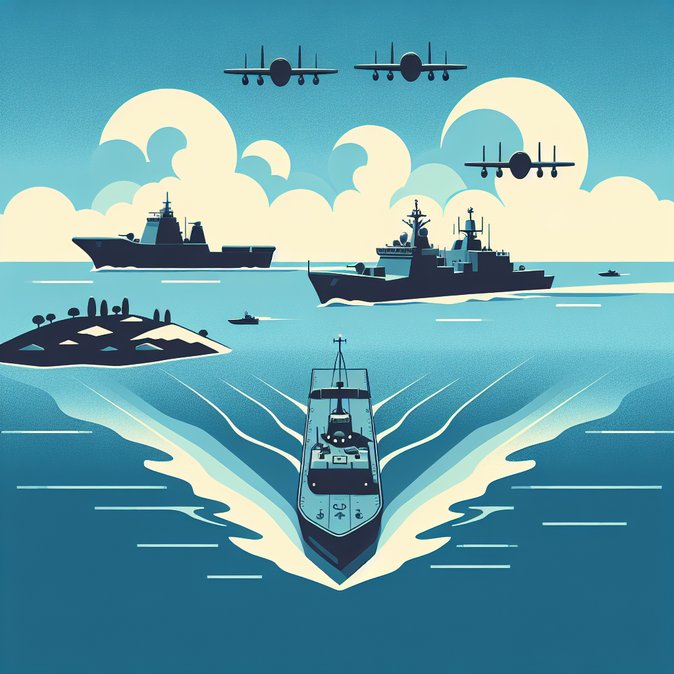
As war clouds gather over the Eastern Mediterranean, leading Cypriot economist Tassos Yiasemides has called on hoteliers to keep properties open—even at reduced occupancy—to reinforce Cyprus’ reputation as a stable base for tourism and foreign investors. Speaking to the Cyprus News Agency, Yiasemides warned that subsidising closures would project weakness just when the island could attract conferences, corporate relocations and digital-nomad spend diverted from conflict zones. Municipal leaders in Ayia Napa echoed the plea, arguing that shuttered resorts in winter create headlines suggesting the country is “on hold” because of nearby hostilities. The hospitality sector, which contributes roughly 20 % of GDP, is already absorbing higher insurance premiums and flight-path surcharges following recent drone activity around RAF Akrotiri. Nonetheless, forward bookings from central and northern European markets remain resilient: tour operators report Easter occupancy pacing at 78 %, only four points below 2025 levels. For corporate travel managers, an “open for business” stance is critical.
![Economists urge Cypriot hotels to stay open to preserve ‘safe-haven’ image amid regional turmoil]()
At the same time, ensuring that visitors can secure the right travel documentation quickly will be pivotal. VisaHQ’s dedicated Cyprus portal (https://www.visahq.com/cyprus/) streamlines visa and passport applications for tourists, corporate assignees and digital nomads alike, helping hotels fill rooms and businesses move staff without bureaucratic delays.
Major hotel groups operating in Limassol’s financial district say they can scale staffing via flexible contracts, maintaining core services for expatriate project teams and emergency response crews. Event planners connected to Cyprus’ upcoming EU Council presidency note that venue availability in shoulder months could become scarce if properties mothball capacity now and scramble to reopen later. Policy-makers are considering targeted incentives—such as reduced social-insurance contributions for hotels that stay operational through May—and marketing partnerships with airlines to sustain lift. The Cyprus Deputy Ministry of Tourism is also accelerating campaigns in the Nordics and Poland to diversify source markets should arrivals from the Middle East taper. Businesses relocating regional staff to Cyprus will welcome any measures that stabilise room supply and signal continuity. However, they should budget for potential short-notice surges in accommodation demand if the Lebanon situation deteriorates and evacuation traffic transits the island.

At the same time, ensuring that visitors can secure the right travel documentation quickly will be pivotal. VisaHQ’s dedicated Cyprus portal (https://www.visahq.com/cyprus/) streamlines visa and passport applications for tourists, corporate assignees and digital nomads alike, helping hotels fill rooms and businesses move staff without bureaucratic delays.
Major hotel groups operating in Limassol’s financial district say they can scale staffing via flexible contracts, maintaining core services for expatriate project teams and emergency response crews. Event planners connected to Cyprus’ upcoming EU Council presidency note that venue availability in shoulder months could become scarce if properties mothball capacity now and scramble to reopen later. Policy-makers are considering targeted incentives—such as reduced social-insurance contributions for hotels that stay operational through May—and marketing partnerships with airlines to sustain lift. The Cyprus Deputy Ministry of Tourism is also accelerating campaigns in the Nordics and Poland to diversify source markets should arrivals from the Middle East taper. Businesses relocating regional staff to Cyprus will welcome any measures that stabilise room supply and signal continuity. However, they should budget for potential short-notice surges in accommodation demand if the Lebanon situation deteriorates and evacuation traffic transits the island.