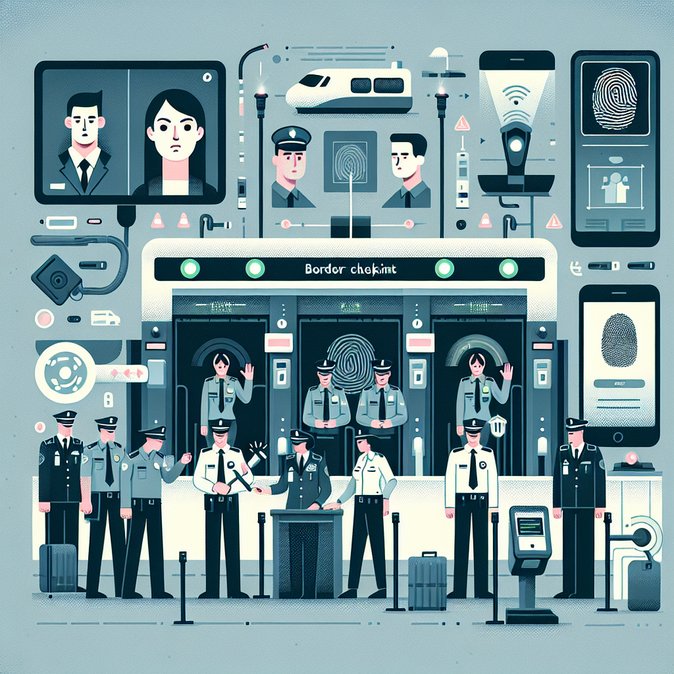
Australia’s Department of Foreign Affairs and Trade (DFAT) refreshed its Smartraveller bulletin for Austria on 12 March 2026, warning citizens to expect lengthy queues at land borders and major airports as the EU’s new Entry/Exit System (EES) test phase ramps up. Although the overall advice level remains ‘Exercise Normal Safety Precautions’, the notice highlights recent terror-related arrests in Vienna and reminds visitors that Schengen biometric checks can add hours to arrival and departure processing. EES, which records the biometrics of third-country travellers, is being gradually introduced across the bloc ahead of its 10 April 2026 deadline. Vienna International Airport began partial enrolment in February, and Austrian officials say additional e-gates will go live after 15 March to smooth Easter traffic flows. DFAT nevertheless counsels Australian passport holders to build in “at least three extra hours” for connections—especially those continuing on rail to neighbouring Slovakia, Hungary or Germany. For global-mobility teams relocating staff from Australia to Austrian or regional assignments, the bulletin underlines the need to re-check Schengen-area allowances (90/180-day rule), ensure passports have at least three blank pages, and pre-book appointments for any local Anmeldebescheinigung (resident registration) within three days of arrival. The advisory also flags Austria’s periodic internal border checks with Czechia, Slovakia, Hungary and Slovenia—recently extended until 15 June 2026 under the EU’s security exemption mechanism—as an additional source of delay for business travellers driving between project sites.
![Australia Updates Travel Advice for Austria Ahead of Easter Rush]()
If deciphering these shifting requirements feels daunting, VisaHQ can streamline the process for both individual and corporate travellers. Its Austria portal (https://www.visahq.com/austria/) consolidates real-time updates on Schengen caps, EES enrolment, and resident-registration rules, and can coordinate expedited visa, courier, and insurance solutions—helping teams stay compliant without forfeiting valuable travel time.
Mobile workers should carry their passports even on intra-Schengen legs and allow for random inspections on popular motorway corridors such as the A4 (Ostautobahn) toward Bratislava. While no change has been made to insurance requirements, DFAT reiterates that reciprocal Medicare arrangements do not exist with Austria; travellers must carry comprehensive medical cover that includes mountain rescue if they plan to ski or hike during downtime. Companies should audit their travel-risk policies and confirm that dependants are also covered.

If deciphering these shifting requirements feels daunting, VisaHQ can streamline the process for both individual and corporate travellers. Its Austria portal (https://www.visahq.com/austria/) consolidates real-time updates on Schengen caps, EES enrolment, and resident-registration rules, and can coordinate expedited visa, courier, and insurance solutions—helping teams stay compliant without forfeiting valuable travel time.
Mobile workers should carry their passports even on intra-Schengen legs and allow for random inspections on popular motorway corridors such as the A4 (Ostautobahn) toward Bratislava. While no change has been made to insurance requirements, DFAT reiterates that reciprocal Medicare arrangements do not exist with Austria; travellers must carry comprehensive medical cover that includes mountain rescue if they plan to ski or hike during downtime. Companies should audit their travel-risk policies and confirm that dependants are also covered.