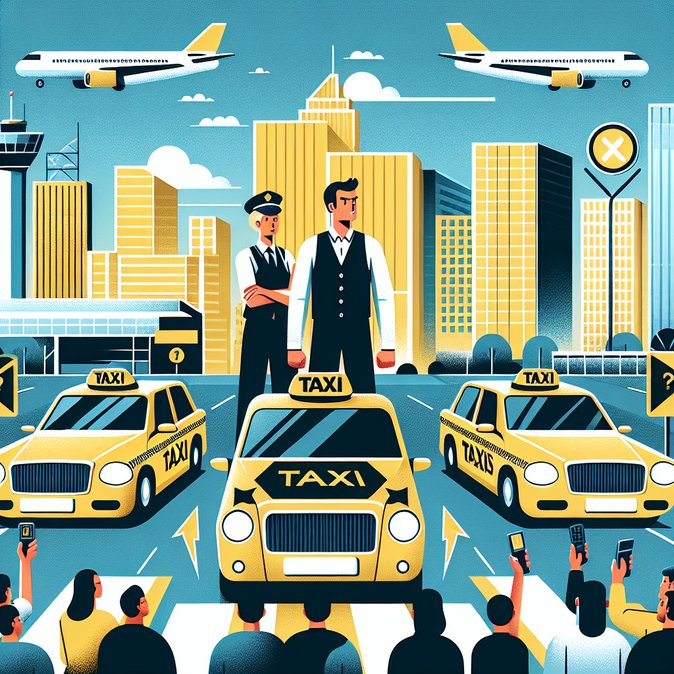
Cyprus’ urban taxi unions have issued a 96-hour ultimatum to the Transport and Justice ministries, warning of an open-ended strike that could start as early as next week if authorities do not crack down on unlicensed “pirate” taxis operating at Larnaca and Paphos airports. The demand letter, dated 4 March and made public on 11 March 2026, accuses regulators of failing to enforce licensing rules, allowing illegal operators to siphon up to 30 % of airport fares.
![Cyprus taxi drivers threaten indefinite strike at Larnaca and Paphos airports over ‘pirate’ cabs]()
Before even setting foot on the island, travellers can streamline their paperwork through VisaHQ’s Cyprus portal (https://www.visahq.com/cyprus/), which offers quick visa processing, real-time travel alerts and helpful tips for arranging reliable ground transport—especially useful when potential taxi strikes loom.
Drivers point to poor infrastructure at taxi ranks—missing toilets, bins and shelter—and ask for access to bus lanes to speed up departures. They also want higher fines for unlicensed drivers and mandatory QR-code decals so passengers can verify permits. For travellers, the threatened walk-out could create immediate gaps in first-mile transport just as airlines resume services after recent war-related cancellations. Tour operators fear the optics of tourists arriving to empty taxi stands, while hotels in Paphos warn it may force them to dispatch private shuttles at short notice. The dispute highlights a broader regulatory dilemma: platforms advertising rides via social media often skirt commercial-vehicle insurance and airport concession fees. The government has promised swift mediation, but past disputes have lingered. Businesses arranging client visits in late March should monitor developments and pre-book alternative transfers where possible.

Before even setting foot on the island, travellers can streamline their paperwork through VisaHQ’s Cyprus portal (https://www.visahq.com/cyprus/), which offers quick visa processing, real-time travel alerts and helpful tips for arranging reliable ground transport—especially useful when potential taxi strikes loom.
Drivers point to poor infrastructure at taxi ranks—missing toilets, bins and shelter—and ask for access to bus lanes to speed up departures. They also want higher fines for unlicensed drivers and mandatory QR-code decals so passengers can verify permits. For travellers, the threatened walk-out could create immediate gaps in first-mile transport just as airlines resume services after recent war-related cancellations. Tour operators fear the optics of tourists arriving to empty taxi stands, while hotels in Paphos warn it may force them to dispatch private shuttles at short notice. The dispute highlights a broader regulatory dilemma: platforms advertising rides via social media often skirt commercial-vehicle insurance and airport concession fees. The government has promised swift mediation, but past disputes have lingered. Businesses arranging client visits in late March should monitor developments and pre-book alternative transfers where possible.