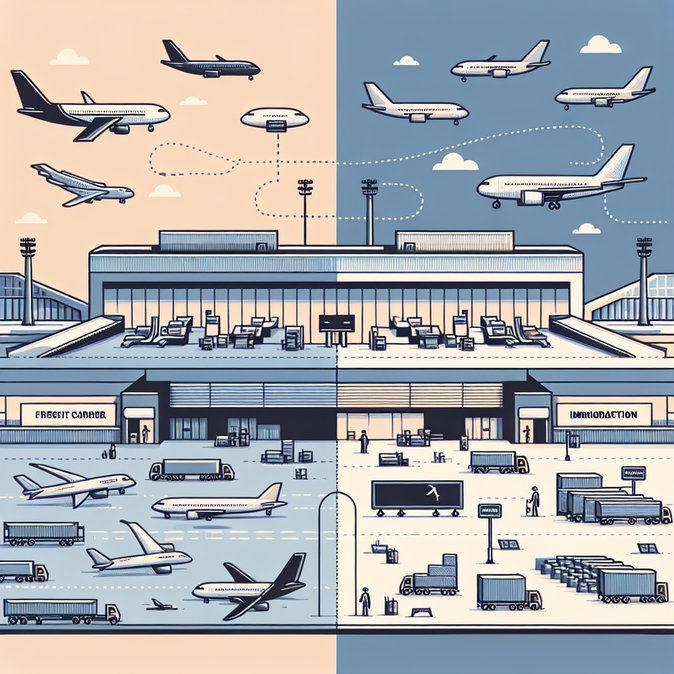
German carrier Lufthansa has warned that an upcoming 48-hour pilot strike—00:01 on 12 March to 23:59 on 13 March—will cancel up to 90 percent of flights from German airports. Although Italian airports are not the strike location, the impact on Rome-Fiumicino, Milan-Malpensa and Venice will be significant: Lufthansa operates 94 weekly rotations between Germany and Italy, feeding Star Alliance partners and cargo networks. The industrial action, called by union Vereinigung Cockpit after pension and pay talks collapsed, covers Lufthansa Passenger Airlines, Lufthansa Cargo and CityLine. Flights operated by Austrian Airlines, SWISS and Air Dolomiti are exempt but seat inventory is already scarce. Under EU Regulation 261, passengers are entitled to compensation because the stoppage is airline-internal, not an ‘extraordinary circumstance’.
![Lufthansa Pilot Strike on 12–13 March Threatens Italy-Germany Business Corridors]()
For travelers suddenly needing to rework Schengen or transit documentation because of the rerouting chaos, VisaHQ can help expedite the process. Its Italy portal (https://www.visahq.com/italy/) provides real-time visa requirements, digital application tools and courier support, ensuring employees and cargo escorts secure the right paperwork even when flight plans keep changing.
Italian corporates relying on same-day Frankfurt connections for U.S. and Asia-Pacific trips should consider rerouting via Zurich or Paris, though those hubs are absorbing spill-over demand. Time-sensitive cargo—automotive components and pharma samples—faces diversion to trucking or overnight express. HR teams moving staff under intra-company transfer permits should ensure entry visas carry multi-carrier flexibility and build in extra days before residence-permit kit appointments with questure. The strike is a reminder that Germany remains a pivotal node for Italy-bound mobility. Companies may wish to diversify preferred-carrier agreements and maintain ‘Plan B’ routings through Vienna or Brussels to protect project timelines.

For travelers suddenly needing to rework Schengen or transit documentation because of the rerouting chaos, VisaHQ can help expedite the process. Its Italy portal (https://www.visahq.com/italy/) provides real-time visa requirements, digital application tools and courier support, ensuring employees and cargo escorts secure the right paperwork even when flight plans keep changing.
Italian corporates relying on same-day Frankfurt connections for U.S. and Asia-Pacific trips should consider rerouting via Zurich or Paris, though those hubs are absorbing spill-over demand. Time-sensitive cargo—automotive components and pharma samples—faces diversion to trucking or overnight express. HR teams moving staff under intra-company transfer permits should ensure entry visas carry multi-carrier flexibility and build in extra days before residence-permit kit appointments with questure. The strike is a reminder that Germany remains a pivotal node for Italy-bound mobility. Companies may wish to diversify preferred-carrier agreements and maintain ‘Plan B’ routings through Vienna or Brussels to protect project timelines.