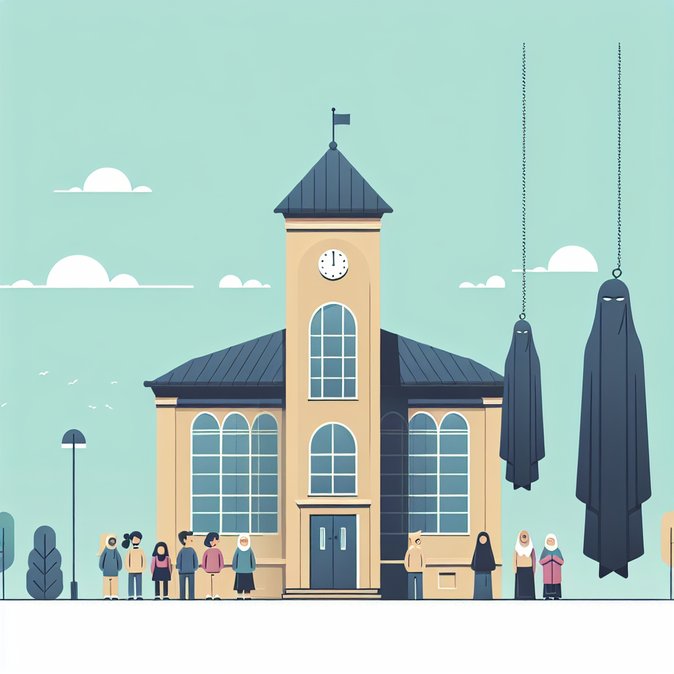
Meeting in Vienna on 9 March and reported in the early hours of 11 March 2026, the OSCE Asian Partners for Co-operation Group—currently chaired by Finland—warned that the Taliban’s prohibition on girls’ secondary and higher education is no longer merely a human-rights crisis but a driver of regional instability and irregular migration. Finnish Ambassador Vesa Häkkinen told delegates that the exclusion of half a population from schooling erodes Afghan human capital and pushes families to seek opportunities abroad, fuelling displacement pressure along routes that already stretch through Central Asia towards Europe. UN Special Rapporteur Richard Bennett added that neighbouring states bear rising costs for refugee support and face heightened risks of radicalisation spilling across borders. Participants called for “all tools”—from conditional aid to targeted sanctions—to convince Kabul to reverse course, while urging OSCE members to bolster alternatives such as remote-learning platforms and women-led community schools.
![Finland-Chaired OSCE Session Links Afghan Education Ban to Cross-Border Security Risks]()
At a practical level, organisations and individuals needing to navigate fast-changing visa requirements can turn to VisaHQ, whose dedicated Finland portal (https://www.visahq.com/finland/) consolidates the latest entry rules, digital application tools and courier options. Whether arranging humanitarian corridors for at-risk Afghan educators or coordinating corporate travel across Schengen borders, the service streamlines paperwork and provides real-time guidance that saves critical time when policies tighten without warning.
Several delegations highlighted the need to coordinate asylum and visa policies so that at-risk Afghan women can access safe pathways instead of resorting to smugglers. For Finnish policymakers the session reinforces a domestic debate: Helsinki is tightening asylum procedures on its eastern frontier yet seeks to champion human rights internationally. Mobility practitioners should anticipate additional humanitarian visa quotas for Afghan educators later this year, alongside closer screening of Afghan arrivals via Schengen’s external borders. The discussion also signals that corporate security managers operating projects in Central Asia must factor in potential border closures or stricter entry rules should displacement surge. Monitoring OSCE follow-up and EU visa-code amendments will be essential for travel-risk planning in 2026.
At a practical level, organisations and individuals needing to navigate fast-changing visa requirements can turn to VisaHQ, whose dedicated Finland portal (https://www.visahq.com/finland/) consolidates the latest entry rules, digital application tools and courier options. Whether arranging humanitarian corridors for at-risk Afghan educators or coordinating corporate travel across Schengen borders, the service streamlines paperwork and provides real-time guidance that saves critical time when policies tighten without warning.
Several delegations highlighted the need to coordinate asylum and visa policies so that at-risk Afghan women can access safe pathways instead of resorting to smugglers. For Finnish policymakers the session reinforces a domestic debate: Helsinki is tightening asylum procedures on its eastern frontier yet seeks to champion human rights internationally. Mobility practitioners should anticipate additional humanitarian visa quotas for Afghan educators later this year, alongside closer screening of Afghan arrivals via Schengen’s external borders. The discussion also signals that corporate security managers operating projects in Central Asia must factor in potential border closures or stricter entry rules should displacement surge. Monitoring OSCE follow-up and EU visa-code amendments will be essential for travel-risk planning in 2026.