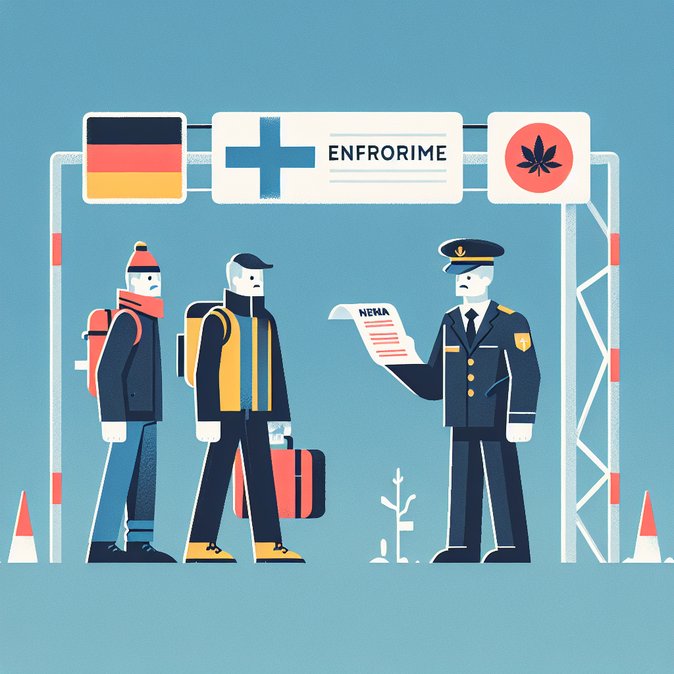
The Finnish Border Guard has begun issuing fixed €500 penalties to foreign visitors who wander—knowingly or otherwise—into the protected frontier zone along the 1 340-kilometre border with Russia, Travel & Tour World reported on 9 March 2026. The crackdown follows a spate of incidents involving German, Dutch and Swedish tourists drawn to the newly militarised NATO-Russia boundary.
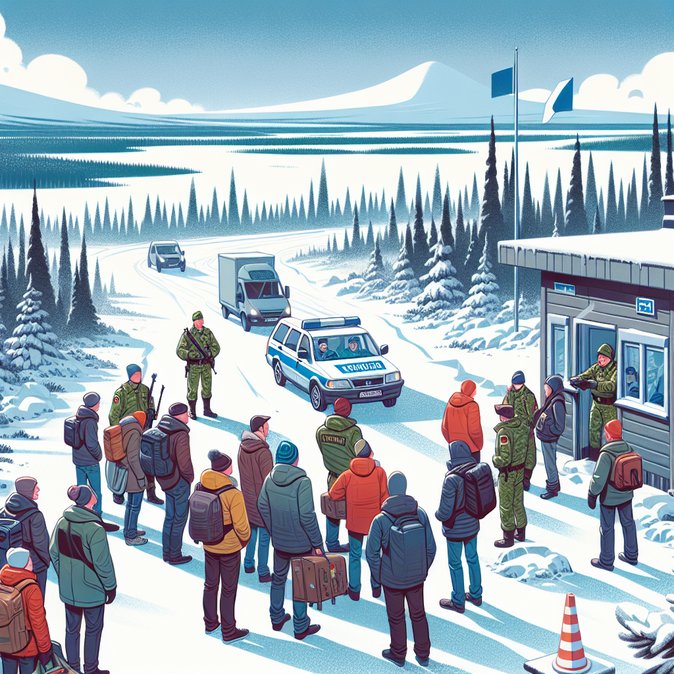
Under Finland’s Border Zone Act, entry into a buffer strip that varies from 100 metres to several kilometres requires a special permit. Curiosity-driven hikers have increasingly crossed invisible lines in popular Lapland municipalities such as Salla and Kuusamo, triggering what the Border Guard calls “border tourism”. Two German nationals fined on 2 March became the first publicly disclosed case of 2026.
![Finland imposes on-the-spot €500 fines for ‘border tourists’ straying near Russia frontier]()
Travellers planning visits to Finland—especially those venturing close to sensitive areas—can streamline their pre-trip paperwork through VisaHQ’s Finland portal (https://www.visahq.com/finland/). The service walks both individual tourists and corporate travel coordinators through Schengen visa options, passport-validity checks and any supplementary permits that specialised itineraries might require, helping visitors avoid last-minute surprises at the border.
Tour operators and employers organising incentive trips in northern Finland must now brief clients explicitly: a Schengen visa—or visa-free EU passport—does not grant access to the zone. Companies can also face administrative sanctions if they fail to warn participants. The authorities recommend using authorised guides and securing permits months in advance; only around 150–200 are issued each year for destinations like Korvatunturi.
From a global-mobility perspective, the fines illustrate how Finland is tightening enforcement as geopolitical tensions with Russia remain high. Business travellers conducting site visits near defence or infrastructure projects should map routes carefully and keep proof of itineraries on hand. The incident also serves as a wider reminder that Schengen freedom of movement does not override national security restrictions at external EU borders.
Under Finland’s Border Zone Act, entry into a buffer strip that varies from 100 metres to several kilometres requires a special permit. Curiosity-driven hikers have increasingly crossed invisible lines in popular Lapland municipalities such as Salla and Kuusamo, triggering what the Border Guard calls “border tourism”. Two German nationals fined on 2 March became the first publicly disclosed case of 2026.
Travellers planning visits to Finland—especially those venturing close to sensitive areas—can streamline their pre-trip paperwork through VisaHQ’s Finland portal (https://www.visahq.com/finland/). The service walks both individual tourists and corporate travel coordinators through Schengen visa options, passport-validity checks and any supplementary permits that specialised itineraries might require, helping visitors avoid last-minute surprises at the border.
Tour operators and employers organising incentive trips in northern Finland must now brief clients explicitly: a Schengen visa—or visa-free EU passport—does not grant access to the zone. Companies can also face administrative sanctions if they fail to warn participants. The authorities recommend using authorised guides and securing permits months in advance; only around 150–200 are issued each year for destinations like Korvatunturi.
From a global-mobility perspective, the fines illustrate how Finland is tightening enforcement as geopolitical tensions with Russia remain high. Business travellers conducting site visits near defence or infrastructure projects should map routes carefully and keep proof of itineraries on hand. The incident also serves as a wider reminder that Schengen freedom of movement does not override national security restrictions at external EU borders.